Greenwich Village Landlords Push Back Against Short-Term Rental Rules
Proposed restrictions on short-term leases have triggered legal challenges and heated meetings between small landlords and city regulators.
By Tarek Mahmoud · January 11, 2026 · 4 min read
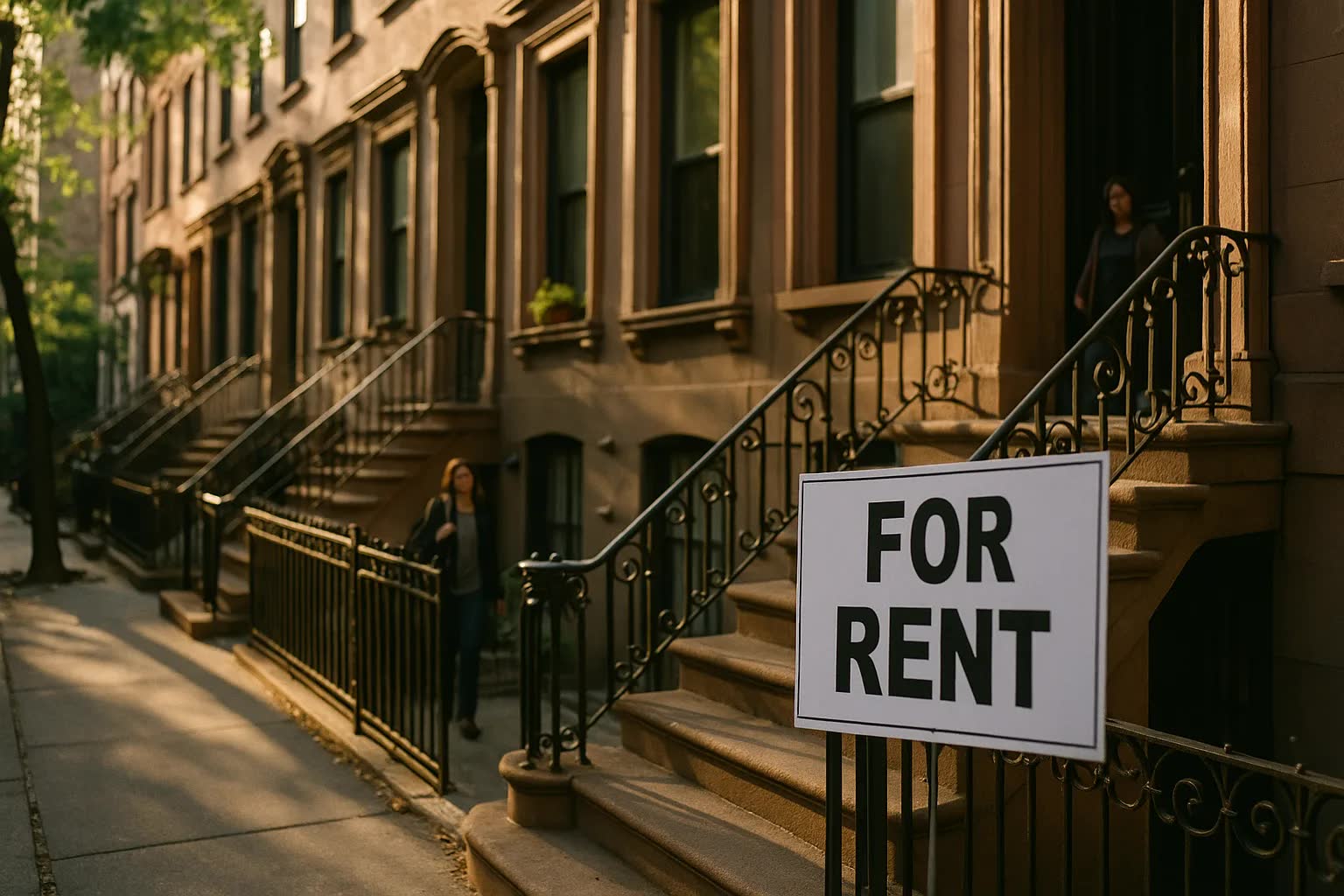
NEW YORK — Small landlords in Greenwich Village are mounting an organized pushback against proposed city rules that would sharply curtail short-term rentals, a dispute that has spilled into packed community meetings, courtroom filings and tense exchanges on Bleecker Street and around Washington Square Park that could reshape how New Yorkers rent entire apartments to visitors.
The regulations being debated would require hosts to obtain a new city license, cap the number of nights units can be rented to visitors, ban entire-home rentals in certain residential zones and raise penalties for owners who flout registration requirements. City officials say the measures are aimed at freeing units for long-term residents and cracking down on commercial operators that use multiple listings to run de facto hotels in residential neighborhoods such as the West Village and NoHo.
For many small-property owners the rules feel like a financial blow at a fragile moment for mom-and-pop landlords who own walkups on streets like Grove Street and West 10th Street. "We're not corporate investors," said Claire Beaumont, president of the Greenwich Village Landlord Association, whose members own about 120 small buildings in the downtown area. "Thirty days without the flexibility of short-term stays will push some of us into default on mortgages and force sales to large firms that will commercialize these blocks."
City officials pushed back at a hearing last month, arguing that the intent is not to punish single-unit hosts but to stem the loss of housing stock. "We recognize the role small hosts play in our neighborhood economy, but the data show many listings are being used commercially and removing units from the long-term market," said Luis Ortega, director of the Short-Term Rental Enforcement Unit in the Department of Housing Regulation. "These rules were crafted to target bad actors while preserving responsible, lower-volume hosts."
The debate turned heated at a December community board meeting on West 12th Street where landlords, tenants and small-business owners traded sharp remarks. One landlord, Jamal Rivers of a six-unit brownstone on Sheridan Square, accused inspectors of uneven enforcement. "We had guests in the middle of a blizzard last year and helped them get to a train," Rivers told regulators. "Now the city wants to treat me like a hotel operator when I'm mostly using the extra income to pay for repairs and taxes."
A coalition of about 80 small landlords filed a lawsuit in New York State Supreme Court, New York County, last week seeking a court order to block the rules from taking effect. The complaint, brought by the firm Rosen & Park on behalf of the Greenwich Village Landlord Association and several individual owners, argues the city exceeded its authority and failed to adequately assess the economic impact of the rules. "The city must follow its own procedures and cannot trample property rights without a rational basis," said Evelyn Park, a partner at Rosen & Park who argued the suit in filings. The city has asked the court to dismiss the challenge and scheduled a preliminary conference for Feb. 4.
Numbers behind the fight underscore the stakes. City-run data compiled by the Department of Housing Regulation show 1,264 active short-term listings in Greenwich Village as of December 2025, up from 980 in 2022; 69 percent were advertised as entire apartments. City estimates put the average host revenue in the neighborhood at roughly $27,600 a year, with 58 percent of hosts running single-property listings and 42 percent operating multiple listings across Manhattan. Enforcement actions across Manhattan in 2024 resulted in 1,450 violations and about $6.2 million in assessed fines, city records show.
Tenant advocates warn that unregulated short-term rentals can drive up rents and create instability for long-term residents. "When units flip to short-term use, neighbors lose safe, affordable housing," said Marisol Vega, director of the Lower Manhattan Tenants Alliance, citing long-standing pressure around Washington Place and along West 4th Street. Small-business owners in the area, including owners of a pair of cafés on Bleecker, say tourist foot traffic from short-term rentals drives late-night sales that many rely on during slow months.
Several landlords say they support sensible registration but object to the scope and speed of enforcement. Anita Shah, who owns a two-family house on W. 10th Street and rents her basement apartment to short-term visitors to help pay a variable mortgage, said the combination of licensing fees, tightened caps and the threat of large fines would force many in her position to sell. "This is how I stay here and keep my mother in this apartment," Shah said. "If I can’t manage the cash flow, the building goes on the market and larger, less-personal owners move in."
City officials said they will continue to refine enforcement protocols and that a final rule is expected in the spring, with court proceedings likely to determine whether parts of the regulation can be implemented while litigation proceeds. As the two sides prepare for a preliminary court hearing and additional public sessions in February, neighborhood leaders say the outcome will determine whether Greenwich Village remains a mosaic of resident-owned buildings and small-scale hospitality or shifts toward institutionalized short-term lodging.