A Harlem Gallery Bets Its Summer on Emerging Painters
A group show of little-known artists gambles that collectors and crowds will take a chance on unfamiliar names during the city's quiet art season.
By Grace Ng · July 18, 2026 · 4 min read
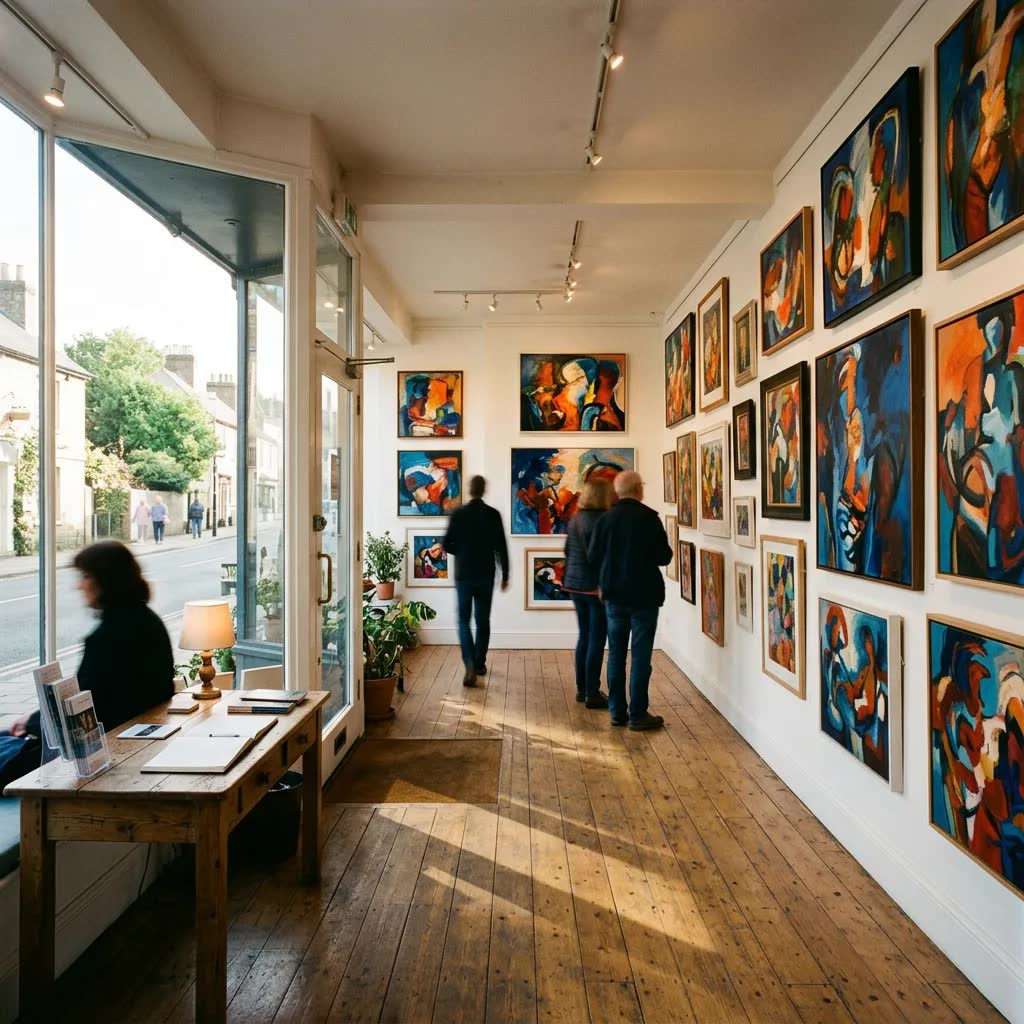
NEW YORK — In a storefront gallery on a leafy Harlem side street, a summer group show has staked out an unfashionable position: that August, when much of the art world decamps for the beach, is exactly the right time to introduce painters no one has heard of yet. The exhibition gathers a dozen emerging artists, most in their twenties and early thirties, many showing in a commercial space for the first time.
The gallery's owner, who opened the space a few years ago with a mission to spotlight artists working outside the established downtown circuit, argues that summer's lull is an opportunity rather than a liability. "The big galleries go dark and the tourists are wandering," she said. "That's when a new name has room to breathe." The show leans heavily on figurative painting, with canvases depicting family gatherings, church interiors, and quiet domestic scenes rendered in saturated color.
For the artists, the exhibition represents a first real test of whether their work can find an audience and a market. Several described the mix of exhilaration and vulnerability that comes with hanging deeply personal work in a room where strangers assign it a price. "You spend years painting for yourself, and then suddenly there's a little card on the wall with a number on it," one painter said. "It's thrilling and it's terrifying."
The gallery has priced the works deliberately low, betting that accessible prices will draw first-time buyers and build early collector relationships that could pay off as the artists' careers mature. It is a familiar gamble in the art trade — nurturing talent early in hopes of growing with it — but a risky one for a small space operating on thin margins. The owner said she measured success less in immediate sales than in visibility for the artists.
The neighborhood context matters, too. Harlem's long, storied history as a center of Black artistic life gives the gallery a sense of lineage, and the owner has consciously positioned the space as a continuation of that tradition rather than a newcomer to it. Several of the exhibiting artists said showing in Harlem specifically, rather than in a downtown white cube, felt meaningful. "There's a weight to this place," one said. "You feel like you're standing on something."
The show runs through the end of the summer, with an artists' talk planned midway through its run. Whether it launches any careers will not be clear for years, but the gallery's owner said she was content to plant seeds. "Not every one of these will become a famous name," she said, surveying the crowded opening. "But somebody in this room right now might, and they got their start on this wall."