Harlem Gospel Choirs Expand Into Afternoon Community Concerts
Gospel ensembles are staging daytime performances in churches and parks to reach older audiences and daytime cultural crowds.
By Priya Patel · March 20, 2026 · 4 min read
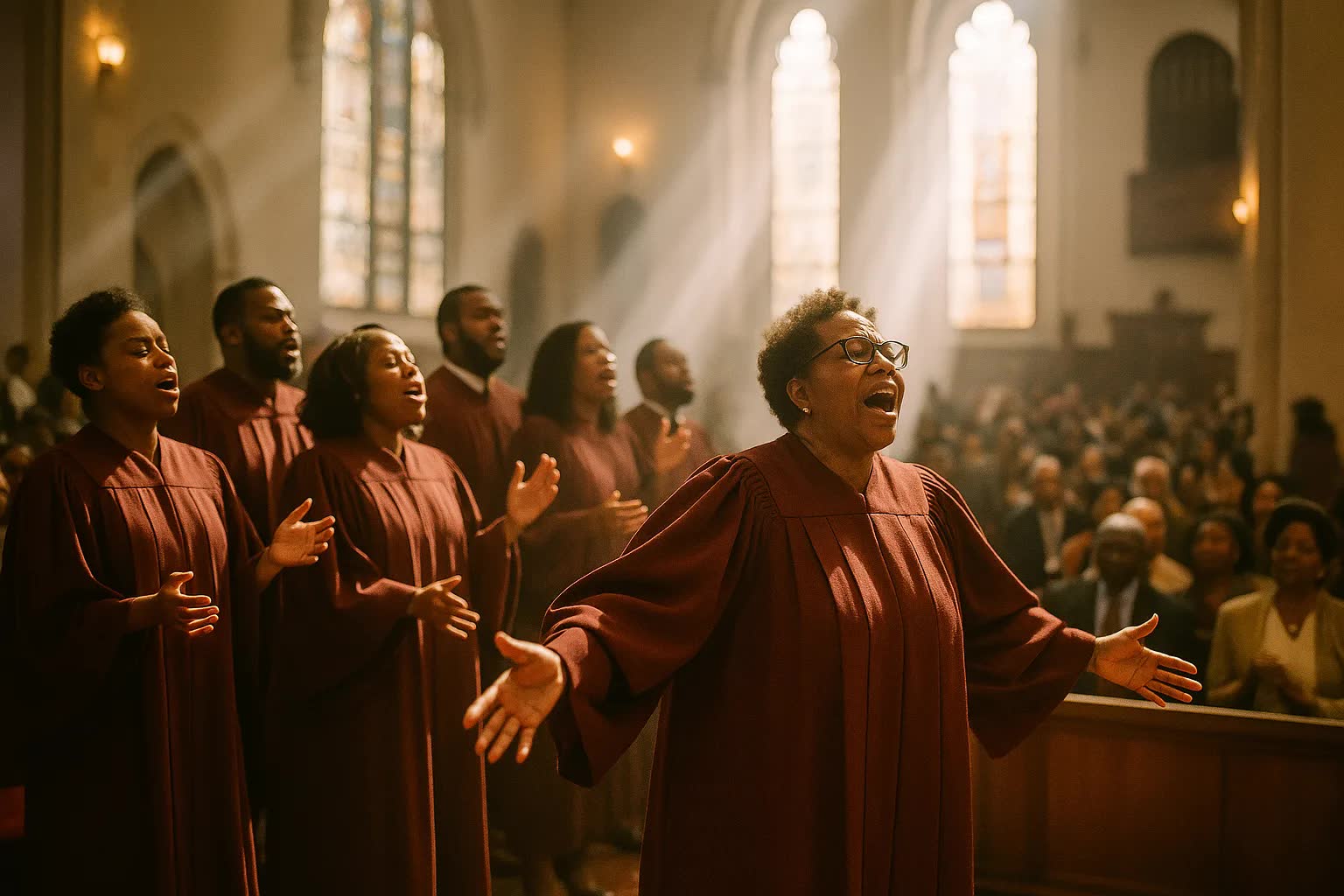
NEW YORK — On a bright Thursday afternoon in late March, a gospel choir led by the Mount Morris Gospel Collective filled St. Nicholas Park with call-and-response harmonies that drew seniors sitting on nearby benches, tourists from 125th Street and a steady stream of office workers on their lunch breaks — part of a deliberate push by Harlem-based ensembles to stage more daytime community concerts across churches, parks and senior centers in northern Manhattan and beyond.
The movement, organizers say, seeks to meet longtime audiences where they are: in daylight hours and familiar neighborhood settings from Sugar Hill to Hamilton Heights and the blocks surrounding the Apollo Theater, rather than relying solely on traditional evening ticketed shows that attract younger, nightlife-oriented crowds.
“We started noticing that our founding singers — people who have been coming to rehearsals for decades — were reluctant to make weekday nights,” said Reverend Mariah Jefferson, artistic director of the Mount Morris Gospel Collective. “Afternoon performances let us honor their history and invite people who can’t stay out late, while still giving us a platform to engage new listeners.”
Groups have been partnering with faith institutions like St. Philip’s Church on 125th Street and community organizations such as the Harlem Cultural Exchange to set up 60- to 90-minute programs at senior housing sites, parish halls and open-air venues at Marcus Garvey Park and along the Frederick Douglass Boulevard corridor, with a mix of traditional hymns, social gospel songs and newly commissioned arrangements by local composers.
The shift is happening against a backdrop of deliberate outreach and modest funding: the Harlem Gospel Network, a coalition of seven choirs and two promoters, reports coordinating 48 daytime concerts and workshops between January and June, with an average attendance of 320 people per event and 62 percent of attendees aged 60 or older, according to an internal tally shared with NYDailyWatch. Ticketing has been largely pay-what-you-can, with a median suggested donation of $10 and 41 free-access performances at senior centers and public housing complexes.
Organizers say the daytime model also taps into the daytime cultural circuit that has grown in recent years, when museums, libraries and performance collectives stage matinees to capture older adults and visitors who avoid nighttime transit. “It’s about accessibility,” said Amina Olu, director of community programs at Harlem Parks Conservancy, which has hosted a series of noon-hour gospel sessions at Marcus Garvey Park. “Transportation, safety concerns and caregiving responsibilities all make afternoon shows a different — and often better — fit for many residents.”
Practical logistics played a role in the decision, too. “The L train disruptions and unpredictability on some subway lines left a number of our regulars stranded in the past,” said Darnell Ruiz, a senior MTA planner who requested anonymity to speak freely about neighborhood rider patterns. “Daytime runs, combined with targeted outreach like free bus vouchers, have helped stabilize attendance for arts groups that formerly relied on evening commuters.”
Venues say the concerts can bring economic spillovers. Local cafes and bakeries along Frederick Douglass Boulevard and Adam Clayton Powell Jr. Boulevard report upticks in midafternoon foot traffic on gospel concert days, and small retailers in the Hamilton Heights corridor said sales rose by 7 to 12 percent on average during scheduled matinee weeks. Church leaders who had been cautious about opening sanctuaries for secular traffic are reporting renewed congregational engagement and modest donations that help cover heating, cleaning and staff time costs.
Not everyone is convinced the daytime boom will replace evenings: some ensembles worry that a move to more community-based shows could dilute the festival circuits and recording opportunities that come with marquee evening performances. “We’re balancing two audiences,” said Leona Tate, executive director of the Harlem Gospel Network. “Our goal is to expand reach without losing the intensity and polish that evening productions offer. For now, it’s a dual strategy.”
As spring turns to summer, the choirs are planning a series of coordinated afternoon residencies across Harlem and adjacent neighborhoods, including biweekly concerts at the Adam Clayton Powell Jr. State Office complex, a month-long Sunday matinee series at Riverside Church and pop-up performances near the 145th Street Ferry landing to test waterfront crowds. Organizers say they will monitor attendance, demographic shifts and revenue from donations to refine scheduling and partnerships for the fall season.