Harlem Grocers Form Buying Cooperative to Battle Rising Supply Costs
A coalition of neighborhood stores is pooling orders to access wholesale pricing and reduce dependence on national chains.
By Priyanka Rao · March 5, 2026 · 4 min read
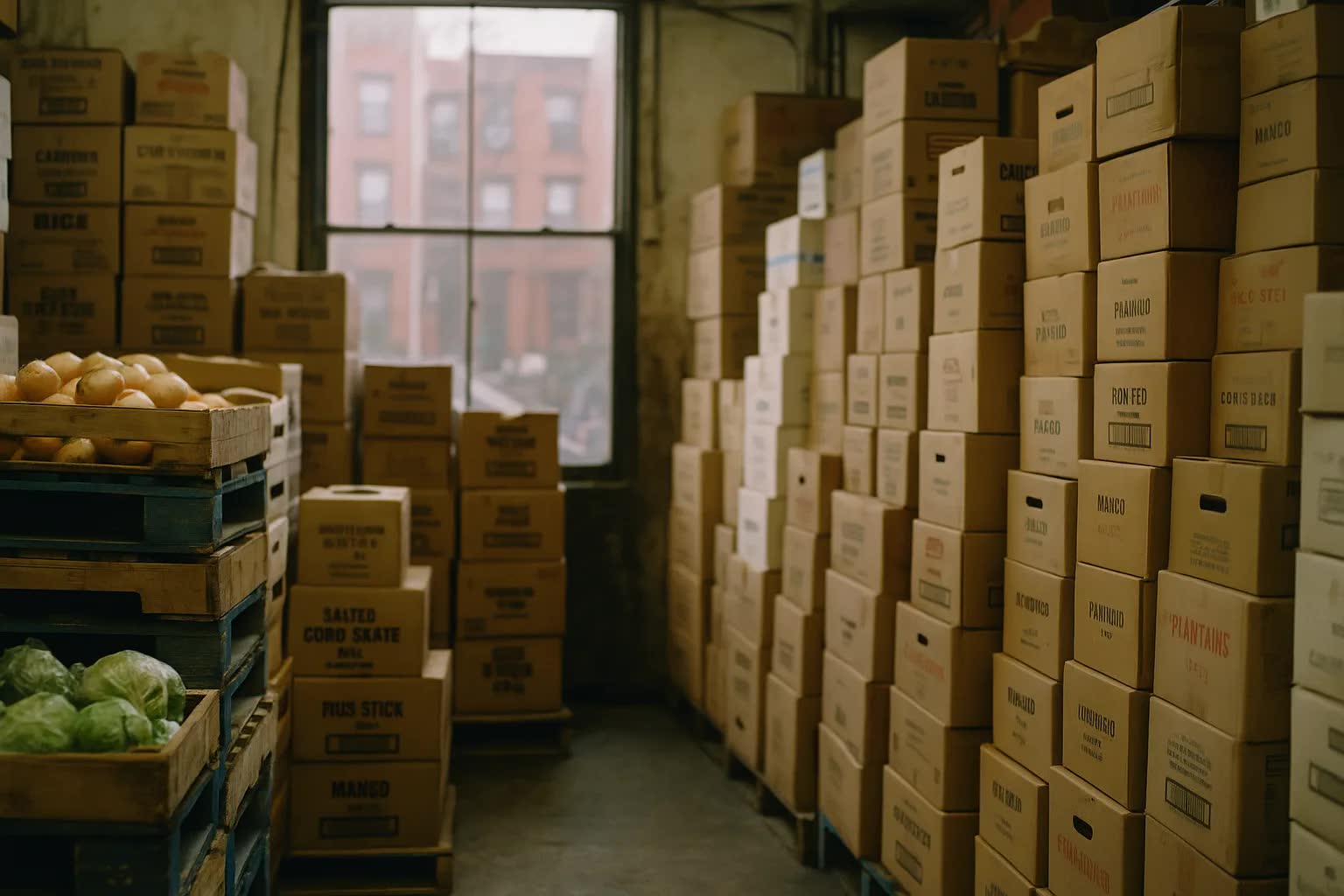
NEW YORK — A coalition of independent grocers across Harlem announced Thursday that they have formed a buying cooperative to blunt steep supply-cost increases and reduce reliance on national wholesalers, a move neighborhood owners say will help keep prices stable for customers from Sugar Hill to the blocks around 125th Street and the Apollo Theater.
Owners in Central and West Harlem have watched input costs sweep up over the last three years — from freight and labor to packaging and produce — squeezing margins on narrow-margin staples such as rice, chicken and milk. High rents along Lenox Avenue and Adam Clayton Powell Jr. Boulevard have compounded pressures, and several long-standing corner markets closed or cut hours, owners say, as supermarkets and national retailers expanded their footprint north of 125th Street.
The group, calling itself Harlem Harvest Buying Cooperative, or HHBC, began as an informal purchasing club a year ago and incorporated as a limited cooperative last month. "We were tired of getting the leftovers of promotions and being quoted list prices because we bought one pallet at a time," said Monique Jefferson, owner of Jefferson Grocers on Lenox Avenue and a founding board member of HHBC. "By pooling our orders we get better truckloads, better payment terms, and we can fight back when a supplier raises prices with no warning."
HHBC leaders said they have leased a 12,000-square-foot distribution hub near 135th Street and Fifth Avenue that will serve as a consolidated receiving point, cold-storage facility and suburban-style wholesale pick-up for member stores. Instead of 28 separate deliveries, members will share consolidated shipments that reduce per-store freight and shrinkage costs, a practical solution for small operators whose own storage and refrigeration capacity is limited.
The cooperative currently counts 28 stores across Central Harlem, Hamilton Heights and parts of East Harlem as members; leaders expect to add another 12 by the end of the year. Collective monthly purchases average roughly 150 pallets of goods, HHBC estimates, and the group projects average savings of 8 to 12 percent on core staples. Start-up funding included a $75,000 grant from the Harlem Community Fund and $40,000 in member dues; each store paid a $250 one-time membership fee and a sliding administrative contribution. HHBC leaders say they aim to generate roughly $220,000 in annual savings for members by year two through lower unit costs and reduced freight.
"The math is simple when you have bargaining power," said Luis Alvarez, operations director for HHBC, who previously ran logistics for a regional co-op. "We can demand better terms on fresh produce and negotiate rebates for consistent volume. That puts cash back on the shelves for owners and lowers the price for shoppers who are already being squeezed everywhere else."
The cooperative's membership reads like a cross section of Harlem's retail life: corner bodega Maya's Market on Malcolm X Boulevard, the family-run Hamilton Foods near 145th Street, and smaller specialty counters such as Sweet Gum Soul Foods on St. Nicholas Avenue. Leaders emphasize neighborhood-specific purchasing — more plantains and yams for East Harlem shops, extra bulk coffee and bakery supplies for Central Harlem deli-cafés — rather than a one-size-fits-all assortment that an urban chain might deliver.
HHBC faces logistical hurdles: cold-chain management, working capital needs between ordering and resale, and upgrading point-of-sale systems to track inventory across varied retail formats. The cooperative is negotiating a line of credit with a community development financial institution and has a pilot partnership with the Harlem Small Business Accelerator to train members on inventory forecasting and shrink reduction. "The training is as important as the discounts," said Keisha Martin, program director at the accelerator, who is advising HHBC on technology adoption and workforce needs.
Local shoppers have already reported small changes: lower advertised prices on bulk rice and poultry at participating stores this month, and more consistent availability of certain produce items that had been spotty. Competing wholesalers have responded with limited-time promotions to some of the stores as HHBC began consolidating orders, said grocers, and some neighborhood residents say they expect the market to stabilize if the cooperative expands. Store managers, however, caution that everyday essentials still carry thin margins and that savings will need to be sustained to change long-term pricing.
Looking ahead, HHBC leaders say the coop will test an online bulk-order portal for members, pursue additional cold-storage capacity and explore extending membership to independent grocers in the Bronx and northern Manhattan; they hope to double membership in 18 months and pilot a member-owned retail outlet on 125th Street within two years. "This is about neighborhood resilience," Jefferson said. "We want Harlem's stores to be competitive, to keep jobs in the community, and to make sure a family can afford to shop on their block — that's what will keep our neighborhoods vibrant for the long haul."