A Harlem Jazz Room Bets Its Future on Musicians Who Weren't Born Yet in Its Heyday
A revived uptown jazz club is handing its stage to a generation of young players, wagering that the future of the music lies with performers in their twenties.
By Olivia Park · July 20, 2026 · 4 min read
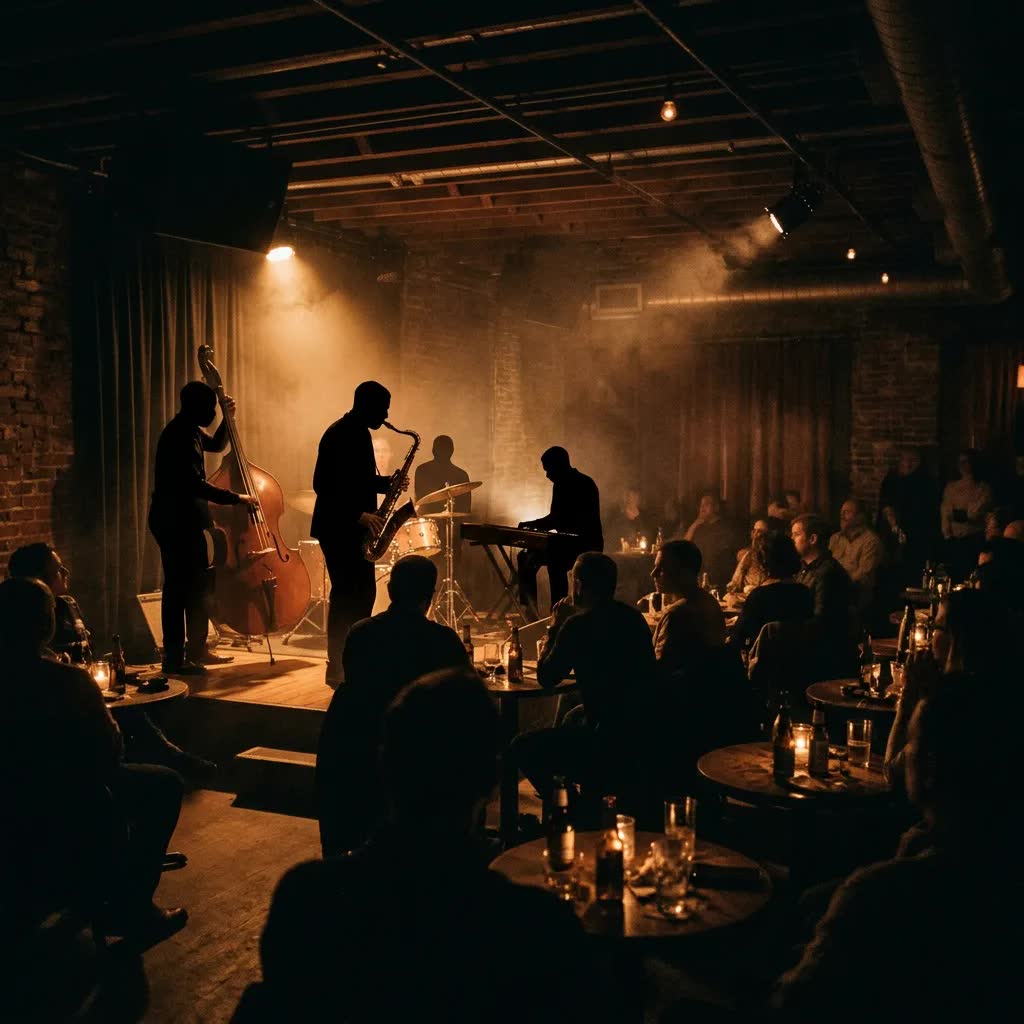
NEW YORK — The room is small, dim, and reverent in the way jazz rooms are supposed to be, with a low ceiling that seems to press the music down onto the audience. But the players on the bandstand of this revived Harlem club are young — many of them in their early twenties, born decades after the neighborhood's fabled jazz golden age — and that, the club's owner insists, is precisely the point. The venue has staked its revival on a simple wager: that the music's future belongs to musicians who are still discovering it.
The club, which reopened this spring after years dark, has organized much of its programming around a residency for emerging players, giving young musicians the thing they most lack — a regular, paid, high-visibility stage to develop on. "You can't grow as a player practicing alone in your apartment," the owner said. "You grow in front of people, night after night, taking chances and sometimes falling on your face. We're trying to give this generation the room to do that, the way the old clubs did for the greats."
The approach has drawn a devoted young crowd alongside the neighborhood's old guard, producing an audience that is unusually mixed in age. On a recent night, students from nearby music programs filled the front tables, while longtime Harlem residents who remembered the club's earlier incarnations held court at the bar. The result, regulars say, is a room where the music's history and its future are audibly in conversation, sometimes within a single tune.
The economics of running a jazz club remain as unforgiving as ever, a truth the owner acknowledges without much romance. Margins are thin, rents are punishing, and the audience for improvised music, however devoted, is finite. The residency model helps by keeping talent costs predictable and building a loyal following around a rotating cast of young performers whom regulars watch develop over months, but nobody involved pretends the venture is a sure thing.
For the young musicians, the residency offers something rarer than money: continuity. Several described the difference between chasing scattered one-off gigs and having a standing engagement where they can build a book, take risks, and grow an audience that returns to hear them specifically. "You learn things on the third week of a residency you'd never learn playing one gig," one saxophonist said. "You start to actually hear the room. You start to trust the other players. That's when it gets good."
The owner is clear-eyed about the odds and unbothered by them. "Everybody told me a jazz club in this economy was insane," he said, watching the young band feel its way through a ballad as the late crowd leaned in. "Maybe it is. But somebody handed these kids a stage, or there's no music in twenty years. I'd rather go broke doing that than watch it disappear."