Harlem Office Buildings Convert Floors to Health Clinics to Fill Vacancy
Landlords are repurposing idle commercial space into outpatient clinics and urgent-care centers to attract stable, recession-resistant tenants.
By Noah Fitzgerald · February 15, 2026 · 4 min read
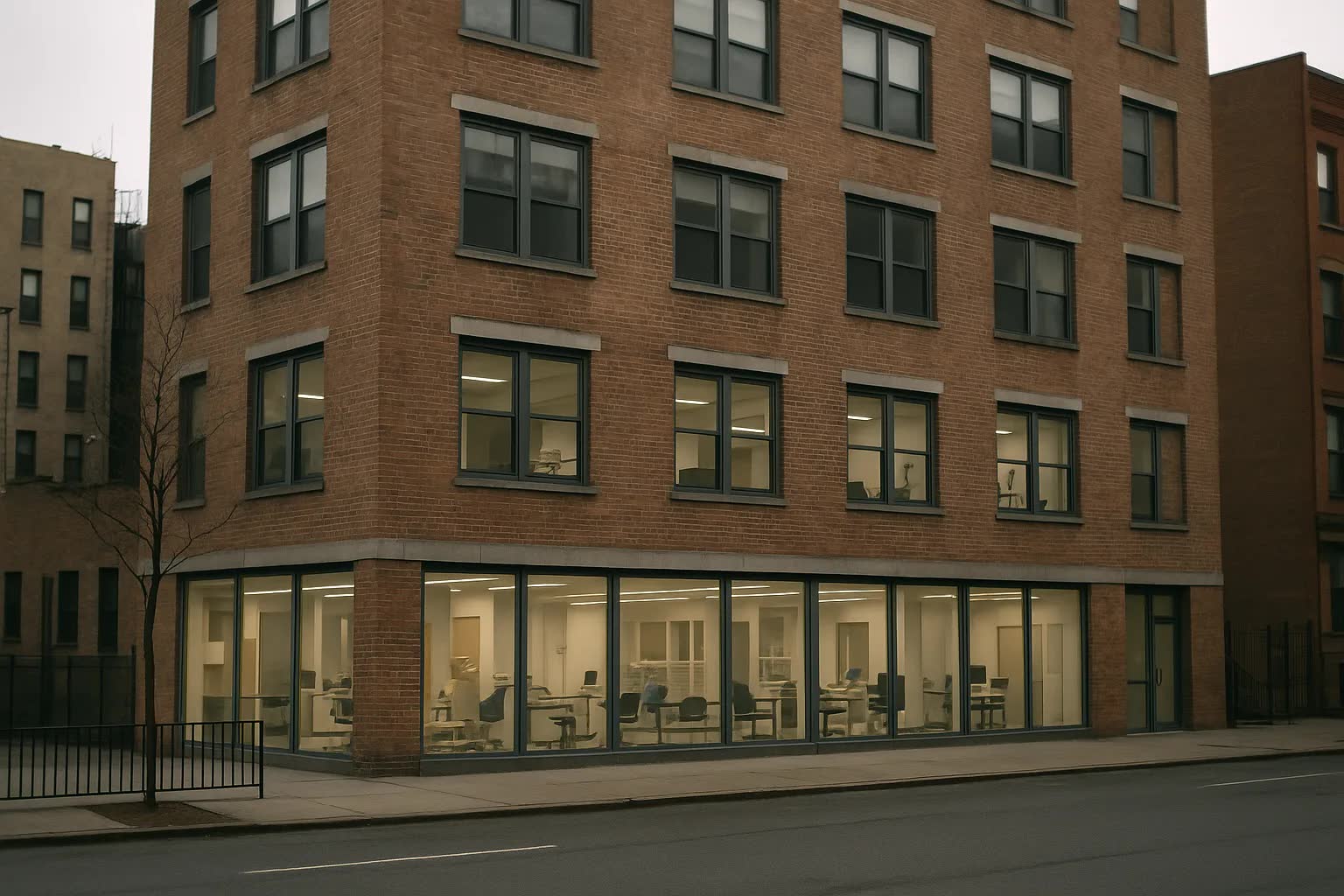
Harlem landlords are converting idle office floors into outpatient clinics and urgent-care centers as a fast, neighborhood-specific answer to rising vacancies along 125th Street, Frederick Douglass Boulevard and pockets of Hamilton Heights and Sugar Hill, signaling a shift in how Upper Manhattan uses commercial space. The move combines the borough's dense residential demand for primary and behavioral health services with owners' need for steady, recession-resistant tenants after nearly a decade of uncertain office leasing; in a part of the city where subway access and foot traffic still matter, medical tenants are proving unusually stable and locally anchored.
Owners and brokers say the conversions are pragmatic: clinics pay reliable rents, draw daily visits, and often sign longer leases than tech start-ups that have left midtown and downtown. "We stopped banking on the old downtown commuter model and began prospecting for health systems two years ago," said Ethan Cole, senior vice president at Manhattan Realty Group, which is repositioning a 12-story building on West 125th Street. "Medical operators want ground floor visibility, easy sidewalk access and transit connections — and that fits Harlem's fabric."
At 210 West 125th Street, the third through fifth floors of a once-flagging office building are being fitted for Harlem Community Urgent Care and Sugar Hill Primary Care, two outpatient operators that signed 10-year leases this winter. Contractors are ripping out raised floors, upgrading water and oxygen lines, and creating ADA-compliant exam rooms and wraparound waiting areas that open to the block's retail corridor. Developers say the build-outs are routing opportunities to hire local labor from community workforce pipelines and to partner with nearby institutions such as the Columbia neighborhood clinics and Harlem Hospital's outreach programs.
Concrete numbers underscore the scale and economics behind the trend. Landlords in upper Manhattan have converted roughly 165,000 square feet of office space into medical uses across 16 buildings since 2023, according to a survey of brokers and community groups; Harlem's office vacancy averaged 21.8 percent in the fourth quarter of 2025, versus a citywide office vacancy of 16.4 percent. Typical outpatient build-out costs run between $120 and $220 per square foot, with landlords often contributing fit-out allowances of $20 to $50 per square foot; medical tenants in these buildings are signing average base rents of $28 per square foot, compared with office asking rents of about $43 per square foot in the same corridors, while offering longer average lease terms of seven to 12 years.
Health operators in Harlem say the conversions answer an unmet need for convenient care in residential neighborhoods. "Patients tell us they want same-day care within walking distance, especially seniors and families who avoid long subway rides," said Rosa Méndez, chief executive officer of Harlem Health Partners, a community clinic network that is opening an outpatient behavioral health site on Adam Clayton Powell Jr. Boulevard. "Repurposed office space gives us the square footage and the visibility to deliver chronic care, urgent visits and integrated mental health services in a single location."
Regulatory and infrastructure hurdles remain, but they are manageable in commercial corridors where building shells, elevators and street-level entries already exist. Health Department approval and inspections for outpatient facilities usually take weeks rather than the months required to rezone or to convert to residential units, and the lack of major structural changes keeps timelines in the six- to nine-month range, contractors and architects say. Still, retrofits often require upgraded HVAC, separate biomedical waste storage, and parking or curb-loading solutions for ambulatory equipment, a challenge on narrow Harlem streets where loading zones are contested.
Community advocates praise the new clinics for expanding access and creating jobs, while urging careful planning around workforce training and neighborhood integration. "We support bringing care closer to home, but we want to see hiring commitments and partnerships with local schools and job training programs," said Aisha Benton, chair of Community Board 10, which covers much of central Harlem. "Medical tenants can be permanent, embedded neighbors, but only if their leases and operations reflect community needs."
There are also commercial trade-offs and equity questions. Some small-business owners worry that an influx of medical tenants could displace neighborhood retailers that rely on different operating hours, while hospital systems outside the neighborhood fear duplicative services could strain reimbursement models. Private investors point to the lower per-square-foot returns of medical tenants versus high-priced corporate suites, but note a key benefit: medical leases are more recession-proof because health care demand is less elastic than office occupancy.
City agencies and private lenders have started to subsidize conversions in a few targeted programs, offering low-interest loans and expedited permitting for projects that commit to local hiring and affordable clinic services. Developers say those incentives, combined with steady patient traffic and longer lease terms, are encouraging owners in East Harlem and pockets of Washington Heights to consider similar pivots. Market watchers caution, however, that any major cuts to Medicaid or Medicare reimbursements — or a steep rise in construction costs — could complicate finances for mid-sized clinic operators who are the likely tenants in many converted buildings.
For now, the trend looks set to reshape parts of Harlem's Thoroughfares, turning underused office slabs into daily destinations for care, and creating a different kind of street-level activity centered on health. Landlords, providers and community boards say they will continue to track patient volumes, local hiring outcomes and parking impacts as more buildings are reimagined, with plans to expand the model to neighboring corridors if metrics show improved access and financial sustainability — a small but notable redefinition of New York's commercial geography in a post-remote-work era.