Harlem’s Jazz Clubs Stage a Revival with New Youth-Focused Programs
Legendary clubs are partnering with schools and nonprofit workshops to cultivate a fresh generation of jazz musicians while preserving historical repertoires.
By Amina El-Sayed · March 9, 2026 · 4 min read
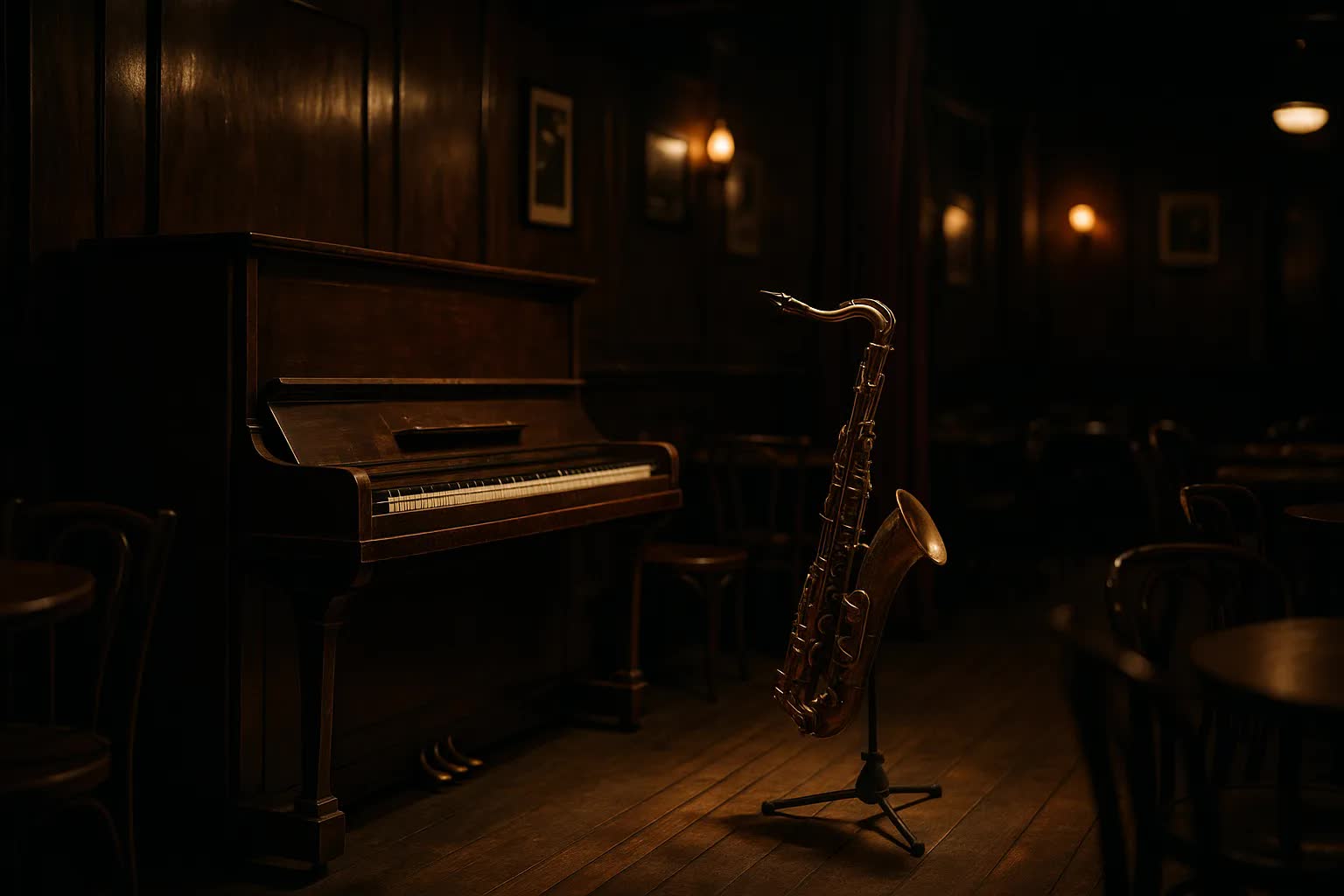
NEW YORK — Harlem’s intimate jazz rooms, long landmarks of the city’s cultural memory, are staging a revival aimed not at nostalgia but at cultivating a new generation of players, with clubs from 125th Street to Sugar Hill signing on to after-school programs, weekend workshops and in-house apprenticeships that place young musicians on the same bandstands once occupied by the masters.
The effort comes as a coalition of club owners, educators and nonprofit arts groups push back against a decade of shrinking youth participation in jazz. Once the nightly lifeblood of the neighborhood — think bebop parlors off Frederick Douglass Boulevard and late-night jam sessions near St. Nicholas Avenue — the scene had narrowed to a handful of venues and older audiences. Now renewed interest among teenagers and young adults, fed by programs inside public schools and community centers, is drawing kids into lessons, ensemble work and small residencies at venues that historically served as training grounds for professionals.
Programs vary by site. At Riverstone Jazz Hall, on West 125th Street near the Apollo Plaza, students rehearse in daytime slots and rotate into evening openings to support touring acts; the Lenox Workshop, a converted brownstone on Lenox Avenue, has turned its upstairs parlor into a weekly combo lab where horn players and drummers study charts and improvisation; and the Sugar Hill Social offers free instrument clinics and a quarterly youth showcase by Marcus Garvey Park. Organizers say placing young musicians on real stages alongside seasoned sidemen helps accelerate learning and keeps repertoire alive in live performance contexts rather than solely in classrooms.
"This is about the lineage as much as it is about technique," said Marcus Bell, executive director of the Harlem Jazz Initiative, whose office sits above a café on 125th. "If kids only hear jazz in recordings, it becomes an artifact. Putting them onstage with older players transfers vocabulary, phrasing and stories in a way a textbook can’t. We want to make sure the thing that was born here keeps evolving, not fossilizing."
"They’re hungry for standards and for the stories behind them," said Ivy Chen, bandleader and music teacher at Frederick Douglass Academy, recounting a recent Saturday morning session where students learned a Dizzy Gillespie tune and then traced its chord changes to Latin rhythms. "When a student who’s never picked up a trumpet gets a solo at the Riverstone, that excitement changes everything. It’s not just music; it’s identity and opportunity. Some of our kids are thinking about conservatories now who never considered it before."
The numbers backing the programs are modest but growing: an initial $1.2 million pooled grant from the Harlem Roots Foundation and two private donors will be disbursed over three years, supporting stipends for 12 teaching artists, the purchase and repair of 240 instruments, and scholarships for 340 students ages 12 to 21 in the first 18 months. Eight clubs in central and north Harlem have committed space for weekly clinics, and organizers expect the combined youth attendance at participating venues to rise by roughly 40 percent within a year, based on pilot-program metrics gathered last fall.
Partnerships with public schools, charter programs and church basements are central. Curriculum designers from the Harlem Jazz Initiative worked with music teachers at PS 175 and after-school coordinators at the Frederick Douglass Academy to craft a three-tiered pathway: beginner ensemble, improvisation and history, and professional-readiness, which includes lessons on contracts, soundchecks and hospitality. Rehearsal space is a recurring theme — clubs are letting students use back rooms, storage closets and early-afternoon empty hours for practice, while nonprofits are contracting luthiers to keep saxophones and basses performance-ready.
Still, keeping the momentum will require navigating sharp economic pressures. Rising rents on storefronts and a post-pandemic squeeze on nightly cover revenues mean club owners are balancing community commitments with business survival. "We want the kids here," said Rosa Molina, proprietor of Riverstone Jazz Hall, who converted a second-floor loft into a practice room last year. "But it costs to keep a piano tuned and to pay a house engineer. We’re subsidizing a lot of hours now. Grants help, but we need reliable funding streams or we’ll be back to choosing between bills and mentorship."
Early results, organizers say, are visible across the neighborhood: a youth big band that rehearses in a church basement on St. Nicholas Avenue recorded a five-track demo last month and opened a midweek set at the Lenox Workshop; two teenage saxophonists who met in a Riverstone clinic were hired as sidemen for a weekend residency at the Sugar Hill Social; and archivists from a small media cooperative in Morningside Heights began documenting oral histories from elder players who now coach night sessions. Local businesses near Marcus Garvey Park report subtle spillovers — post-rehearsal diners at bodegas and an uptick in foot traffic on off nights — suggesting economic as well as cultural benefits.
Organizers and club owners are already planning next steps: a spring youth jazz festival on 125th Street, rotating residencies that will embed students for a full semester at partner venues, and a proposed endowment campaign to anchor persistent costs. "We’re betting on infrastructure," Bell said. "If we build systems where schools, clubs and funders are all invested, Harlem can once again be a proving ground for the next generation of jazz musicians."