Harlem's New Wave of Vegan Soul Food Is Reimagining Comfort Classics
Young restaurateurs are updating generational recipes for a plant-forward audience while partnering with longtime neighborhood institutions.
By Anika Bose · December 16, 2025 · 4 min read
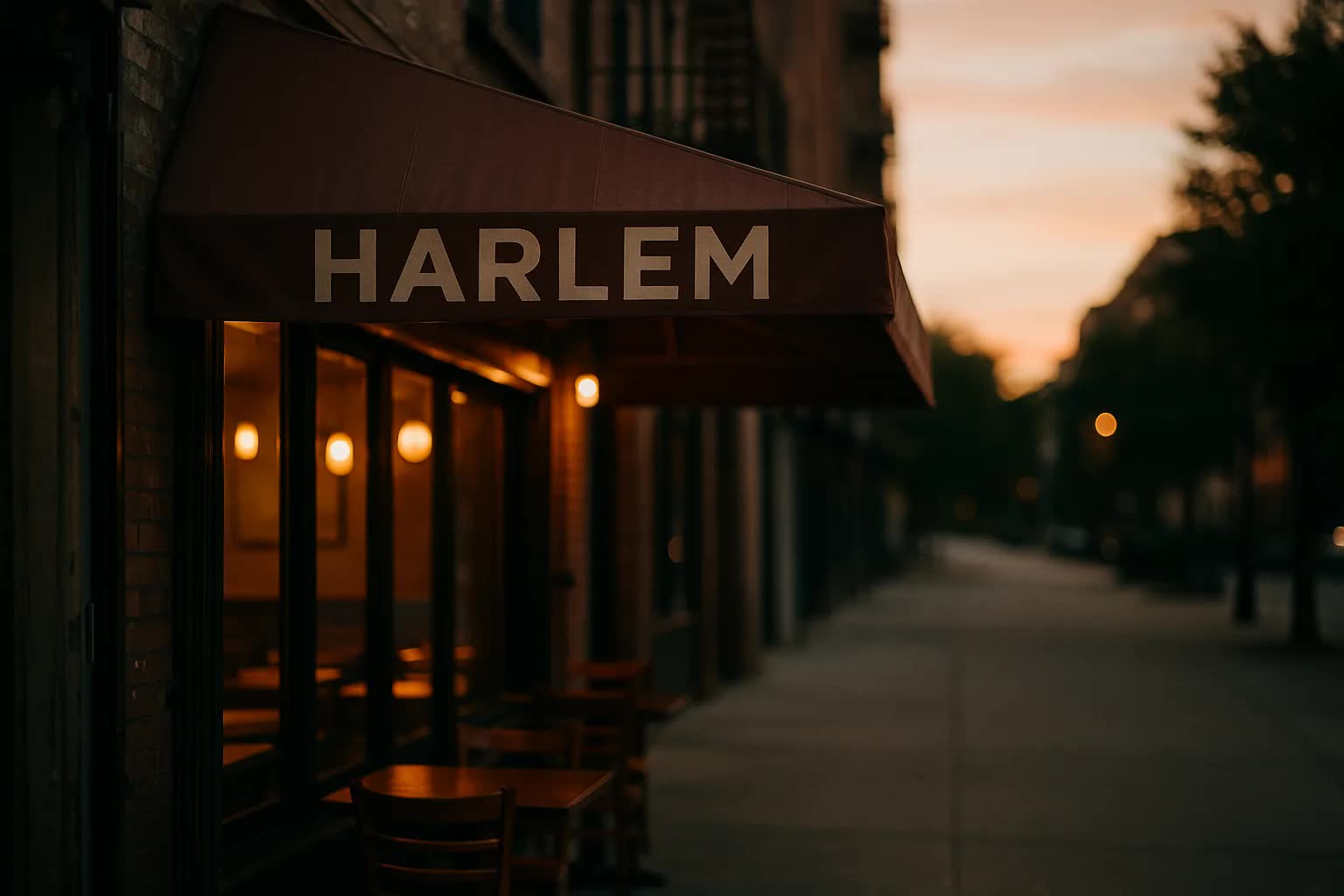
NEW YORK — On a chilly December evening at the corner of 125th Street and Lenox Avenue, a new kind of aroma threads through the churches, barber shops and longstanding bodegas: smoked paprika, vinegar tang, and the unmistakable warmth of slow-simmered greens — without the meat. Young restaurateurs in Harlem are reimagining soul food for a plant-forward audience, updating generational recipes and forging partnerships with neighborhood institutions to preserve cultural identity even as menus shift toward vegetables, legumes and creative substitutes.
At Junebug Vegan Kitchen, a narrow storefront near Marcus Garvey Park, chef-owner Aisha Carter plates seitan ribs with a molasses glaze, macaroni baked with cashew béchamel and mustard-green collards brightened with lemon and smoked cherrywood. The dishes read like family names adapted for the 21st century: mama's mac, Sunday pot greens, and 'punch' peach cobbler that uses aquafaba to get a billowy top. Guests from local high schools, teachers from the nearby Manhattanville campus and longtime residents share counter stools and trade opinions about textures and seasoning.
"We aren't trying to erase anything — we're trying to keep the conversation going," said Carter, chef-owner of Junebug Vegan Kitchen, who trained at a private cooking school in Brooklyn but learned her spice palate from her grandmother in Sugar Hill. "Plant-based doesn't mean flavorless. It means more people can sit at the same table and still taste home."
That conversation increasingly happens off the menu too. Carter runs a monthly pop-up at the Lenox Avenue Senior Center where older residents teach dessert techniques while younger cooks swap frying tips and plant-protein hacks. Nearby, Grove & Grace, a small plant-forward counter on Adam Clayton Powell Jr. Boulevard, has partnered with the Mount Morris Park Community Garden to source winter greens and to host a weekend meal program for seniors that uses scaled-down versions of generational recipes.
The transition to plant-forward dining in Harlem can be measured in numbers as well as flavors. A survey conducted this year by the Harlem Food Coalition, a local nonprofit, found the number of predominantly plant-based or clearly plant-forward restaurants in the greater Harlem area rose from nine in 2021 to 22 in 2025, a 144 percent increase. The same survey reported that 38 percent of local eateries had added at least three new plant-based entrees to their menus since 2022, and community supper programs run by restaurants and nonprofits served an estimated 12,600 meals in 2024 alone.
"Economic vitality and cultural continuity can go hand in hand," said Malik Johnson, executive director of the Harlem Neighborhood Trust, a community development organization that has helped broker space-sharing agreements between new restaurants and long-established merchants. "When new businesses lease a vacant store and agree to host a weekly community meal or to source from neighborhood vendors, that keeps dollars circulating here and keeps recipes in the family."
Not everyone greets the change with open arms. Lucille Brown, 78, who has lived on St. Nicholas Avenue since the 1960s and still runs a small caterer for church luncheons, says she was skeptical at first about swapping smoked ham hocks for mushrooms and liquid smoke. But after tasting a braised collard green made with smoked tofu at a community test kitchen, she conceded, "It tasted like my sister used to make, but cleaner. I don't know if the young folks will understand what it meant to us, but they can learn."
Training and apprenticeship programs have played a role in smoothing that generational handoff. The Harlem Culinary Lab, a nonprofit incubator, reports placing 48 graduates in kitchen jobs last year, with 60 percent taking positions at plant-forward operations; another program run by the Lenox Food Co-op has helped three established grocers transition to stocking more chilled and shelf-stable plant proteins. Several restaurants have also hired neighborhood youth as weekend sous-chefs and front-of-house staff, offering stipends and food-safety certification.
Businesses say staying affordable is part of the mission. Most plant-forward plates at the neighborhood's new wave of eateries price between $12 and $18, and many spots reserve two or three lower-cost items under $10 to serve students and hourly workers. At Grove & Grace, owner Mariela Santos says the shop sets aside 120 discounted community meals each month for seniors and low-income residents, and partners with nearby groceries to buy leftover produce at reduced rates so nothing goes to waste.
Looking ahead, Harlem's plant-forward movement plans to deepen ties rather than dislodge the past: Junebug Vegan Kitchen is negotiating a small commissary on 145th Street to increase catering for church events, Grove & Grace is expanding its partnership with Mount Morris Park Community Garden to run a winter CSA, and the Harlem Food Coalition says it will convene a citywide symposium next spring to share models of culturally rooted plant-based cooking. The new dishes may look different from the plates of decades past, but neighborhood chefs say they are intent on keeping the flavors — and the relationships that make them — firmly rooted in Harlem.