New York City Will Open Free Mental Health Clinics in All 59 Community Districts This Fall
The $520 million initiative, funded through a combination of city capital and federal ARPA dollars, aims to make same-week appointments available to every New Yorker regardless of insurance status.
By Dr. Lisa Park · August 16, 2026 · 5 min read
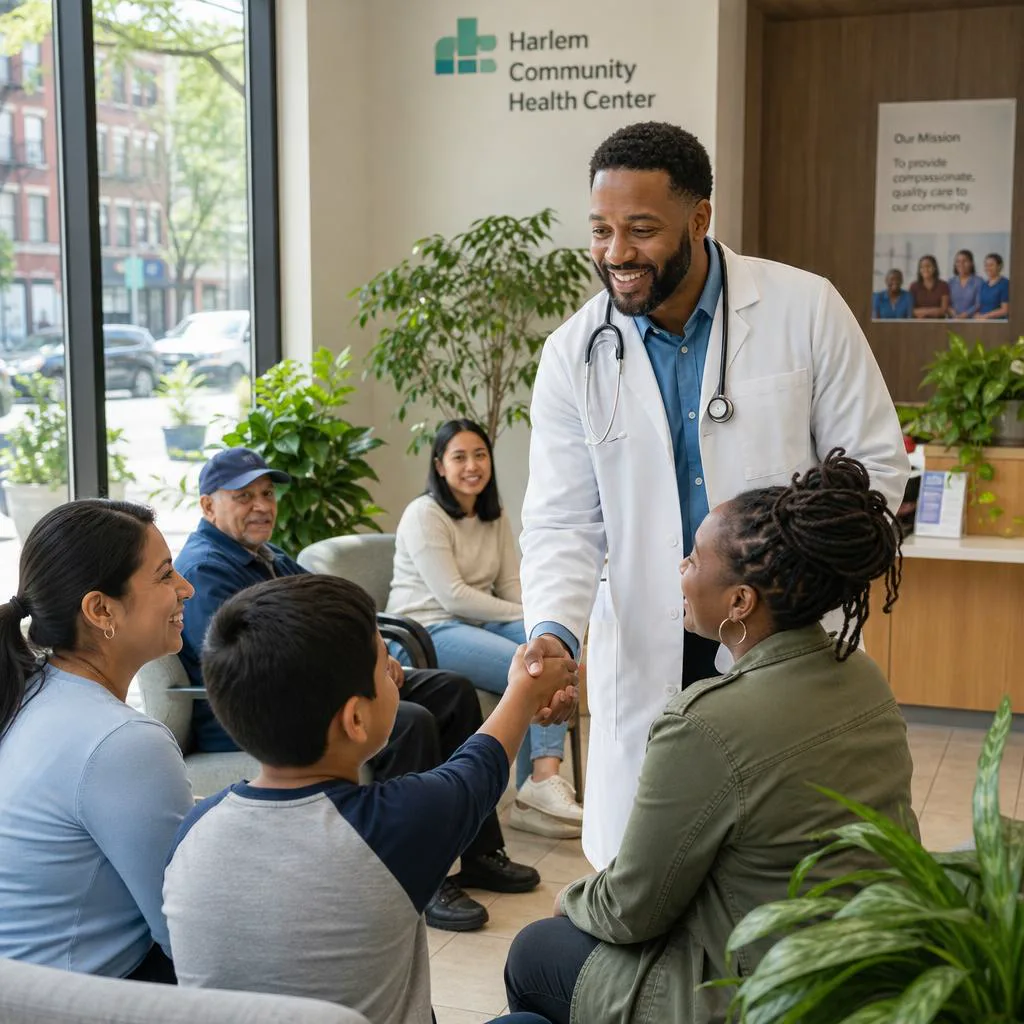
Mayor Zellnor Myrie announced Friday that the city will open at least one free, walk-in-friendly mental health clinic in each of New York's 59 community districts by the end of November, a $520 million initiative that his administration is calling the most expansive public mental health infrastructure investment in the city's history.
The clinics, to be operated through a mix of NYC Health + Hospitals and contracted community-based organizations, will offer free therapy and psychiatric services to any New Yorker regardless of insurance status, immigration status, or ability to pay. The administration said the goal was to make a same-week appointment available within each district, a standard it acknowledged the existing public system has rarely met.
"Every year, millions of New Yorkers who need mental health support don't get it — not because they don't want it, but because the system makes it nearly impossible to access," Myrie said at an announcement event at a newly renovated clinic site in East New York, Brooklyn. "We are going to change that."
The initiative is funded through $310 million in city capital funds and $210 million in federal American Rescue Plan Act dollars, which must be committed by year's end under federal rules — a timeline that the administration said created urgency to move quickly. Fourteen clinic sites are already under renovation; the remainder will open in phases through November, with the mayor's office committing to all 59 districts being operational before December 1.
Mental health advocates praised the scale of the commitment while raising questions about the workforce required to staff it. New York, like most states, faces a severe shortage of licensed therapists and psychiatrists, particularly those fluent in languages other than English. The administration said it had reached agreements with CUNY's clinical psychology programs, Columbia's School of Social Work, and NYU Langone to place supervised graduate students at the new sites, supplementing licensed staff.
Dr. Gary Belkin, a former NYC chief mental health officer who helped design the city's ThriveNYC initiative a decade ago, said the new program had learned from that effort's mistakes. "ThriveNYC spent a billion dollars and never really built the infrastructure — it was mostly programs layered on top of an inadequate base," Dr. Belkin said. "What this administration is doing is actually building the base: physical sites, stable staffing, a clear pathway to care. That is the right approach."
Each clinic will be required to offer services in at least the top five languages spoken in its community district. A multilingual crisis line, staffed by licensed clinicians rather than call-center workers, will be available around the clock to help New Yorkers navigate to the appropriate site or, in urgent situations, dispatch a mobile crisis team.
City Council speaker Shaun Abreu, who held hearings on mental health access earlier this year that documented wait times of up to six months at public clinics, called Friday's announcement "a genuine turning point." "We have been talking about this crisis for fifteen years," he said. "It is time to stop talking and start opening doors."