How Brooklyn Soundstages Are Transforming Former Factories into Television Hubs
Converted industrial buildings in Gowanus and Sunset Park are attracting mid-budget TV shoots and creating new local labor markets.
By Dominic Russo · February 26, 2026 · 4 min read
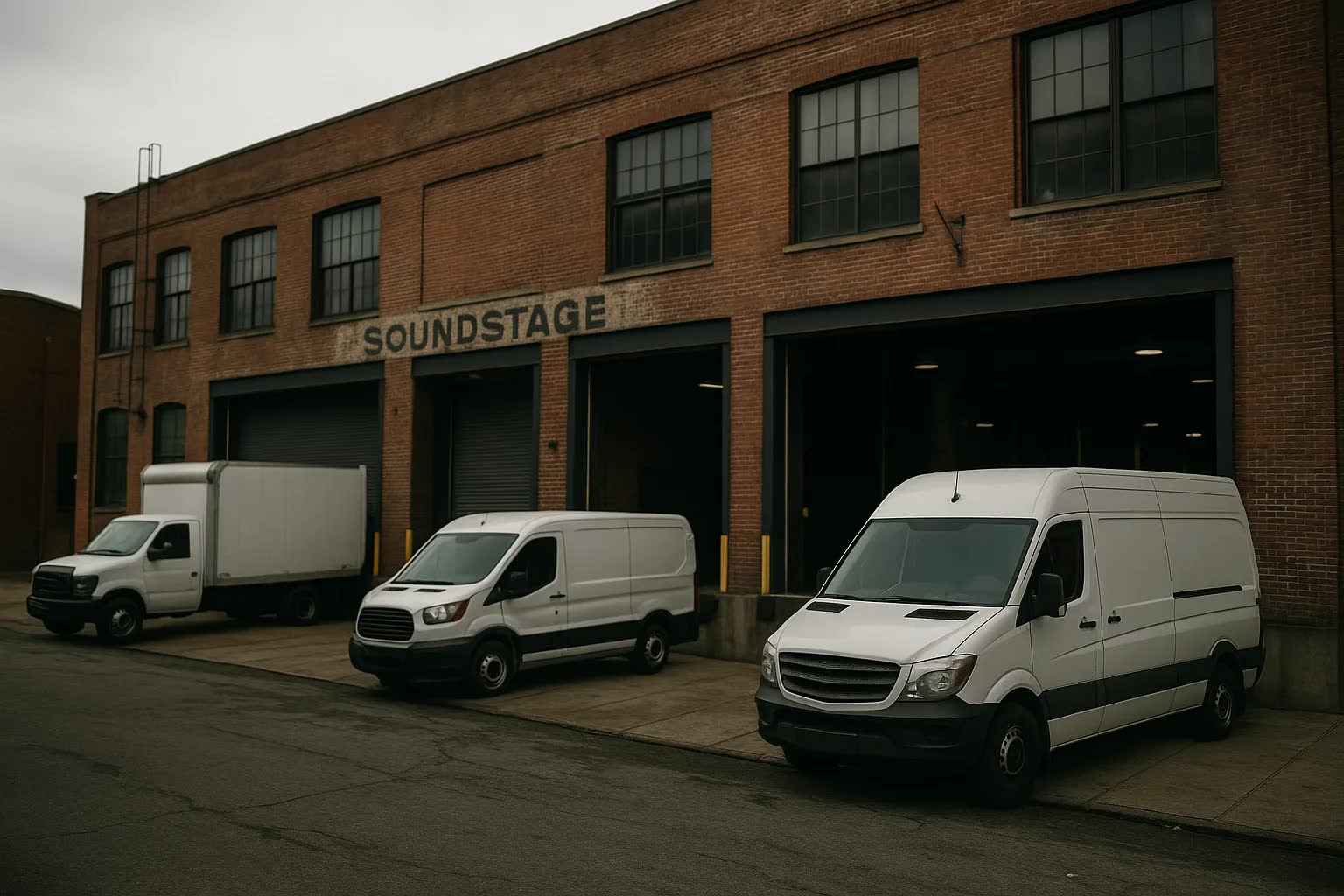
NEW YORK — Empty factories along the Gowanus Canal and sunlit brick warehouses in Sunset Park are fast becoming the kind of production hubs that used to be the exclusive province of Manhattan and Queens, as mid-budget television shows seeking high ceilings, flexible floor plans and lower rents convert industrial space into soundstages and create new local labor markets in the process.
Once home to machinists, cannery workers and naval suppliers, long rows of lofts and masonry warehouses on Third Avenue in Gowanus and beneath the elevated tracks near 36th Street in Sunset Park are being repurposed by entrepreneurs who see an opening between micro-budget indies and blockbuster studio shoots, offering spaces big enough for elaborate sets but affordable enough for episodic television with modest studio backing.
Inside a recently rehabilitated brick building on Bond Street, the soundstage at Harbor Soundstages feels less like a warehouse and more like a small studio lot: 28-foot ceilings, a grid of catwalks, climate control and a loading bay that opens to a freight elevator. "These spaces offer a scale and ceiling height you just can't get in Manhattan without paying a premium," said Mara Klein, co-founder of Harbor Soundstages, who added that adaptive reuse also reduces permitting times compared with ground-up construction.
Across Brooklyn, the conversion numbers are tangible: approximately 1.2 million square feet of industrial space has been snapped up or retrofitted for film and television use since 2022, with 42 new stages active in Brooklyn as of January 2026; those facilities hosted an estimated 35 mid-budget TV productions last year, generating roughly 1,200 direct local crew jobs and an additional 1,800 ancillary positions in catering, carpentry and transportation, according to a report compiled by the nonprofit Brooklyn Production Alliance.
That growth has produced a fresh labor market for production crews who had previously commuted from Queens, the Bronx or New Jersey. "We're training grips, lighting technicians and set carpenters right here in Sunset Park; people who used to take two subways now walk to work," said Devon Park, executive director of the Brooklyn Filmworkers Guild, which runs weekend apprenticeships and partners with nearby trade schools to staff the new stages.
Local businesses say the shoots have been a boon, but not without strains: shuttered curbside parking, intermittent overnight generator hum and warehouse traffic have tightened relations between neighbors and productions. Community Board meetings in both Gowanus and Sunset Park have seen packed rooms where residents balanced support for jobs and small businesses against concerns about rising rents and the intrusiveness of 24-hour shoots.
City and borough officials have responded with a mix of incentives and rules. A municipal program launched in late 2024, the Brooklyn Production Accelerator, offered low-interest loans and expedited zoning reviews for adaptive-reuse conversions and required sound mitigation plans in residential corridors; developers who participated reported construction premiums of 12 to 18 percent for professional buildouts and soundproofing, officials said, but also cited the program as instrumental in cutting red tape during permitting.
"We're seeing paychecks reach Main Street diners and hardware stores in ways they didn't before," said Javier Morales, president of the Gowanus Industrial Cooperative, who noted that carpenters from Park Slope are now building sets in a former bookbinding shop while costume makers from Carroll Gardens have taken up storage space in Sunset Park. Morales also warned that without careful local hiring agreements, the benefits could leak out of the neighborhoods.
Producers and showrunners are not just drawn to space; they're attracted to the local creative ecosystem. Post-production houses, prop fabricators and wardrobe ateliers have gravitated to the same corridors, shortening the supply chain and reducing turnaround on episode delivery. Many mid-budget series—legal dramas, limited anthologies and period comedies—have moved key production offices to Brooklyn to be closer to stages, while boutique distributors and festivals in DUMBO and Fort Greene have provided exhibition lift for projects staged down the canal.
Looking ahead, developers and community leaders say the trick will be balancing growth with preservation: more conversions are planned along Ninth Street and near the waterfront in Sunset Park, but neighborhood groups are pushing for binding local-hire clauses, capped overnight shooting, and affordable workspace set-asides for artisans. If those measures hold, Brooklyn's soundstages could cement the borough as the default home for mid-budget television for years to come, offering an industrially rooted yet resilient model of creative-led economic development.