How Commuter Rail Lines Are Fueling a New Hudson Valley Concert Circuit
Improved weekend rail schedules are enabling promoters to book mid-afternoon shows that cater to city audiences seeking quick escapes.
By Luisa Pereira · March 18, 2026 · 4 min read
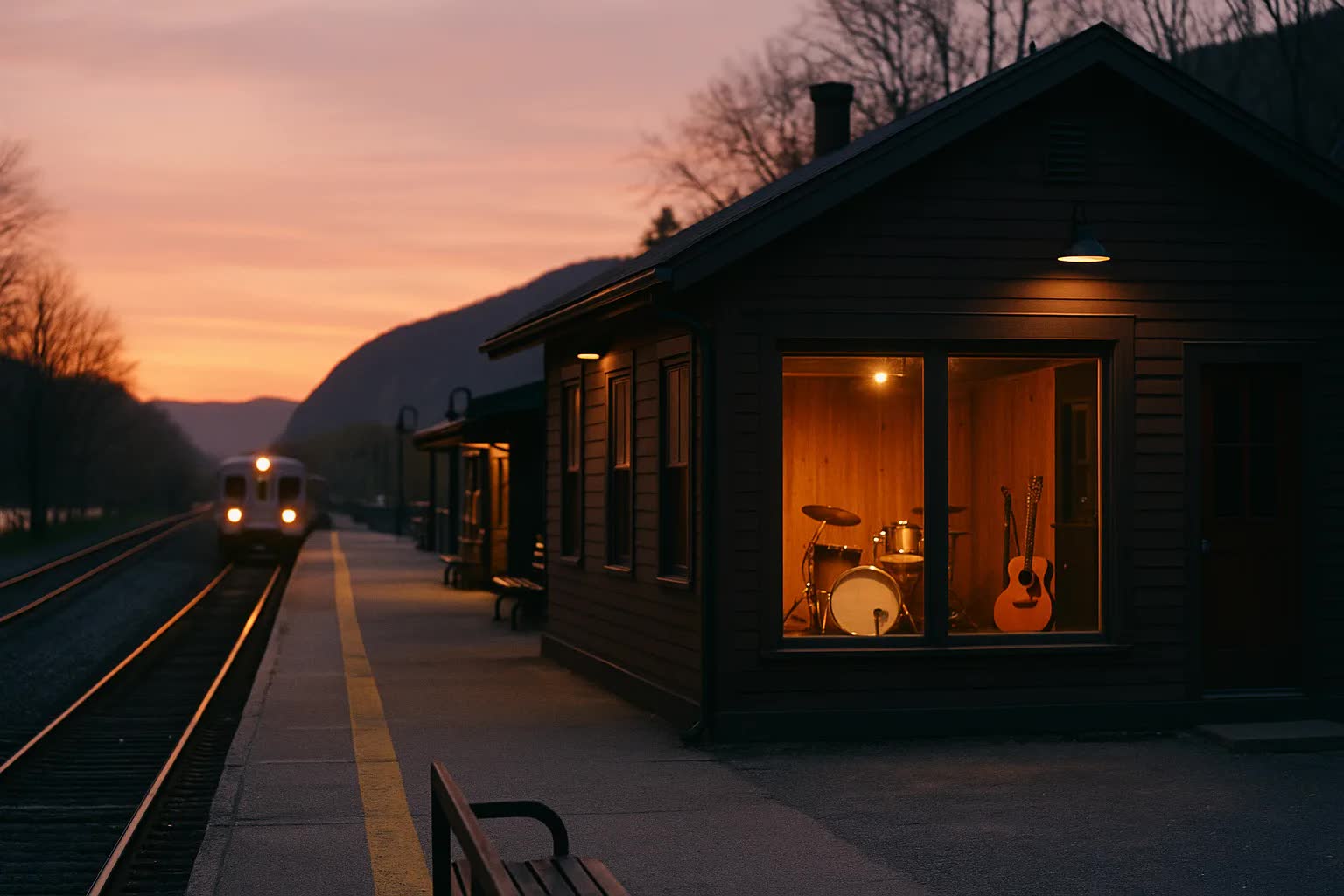
NEW YORK — For Manhattan music fans used to late-night subway returns, the Hudson Valley is becoming an attainable weekend destination in a single train ride and one carefully timed set. Improved weekend commuter-rail schedules that push more midafternoon departures and later evening returns are letting promoters book shows that start at 3 p.m. — the sort of timing that turns a show in Beacon or Kingston into a manageable day trip for people coming from the Lower East Side, Chelsea and Williamsburg without overnight plans.
Rail operators and local promoters say the shift is deliberate and responsive. Over the past two years Metro-North and several regional lines have added midday and late-afternoon slots on Saturdays and Sundays, creating a predictable window for travel between Grand Central, Poughkeepsie, Beacon and stations farther north. The additions make a 2:30 p.m. ferry across the Hudson or an early-evening return train realistic options for city audiences who want live music tied to a long lunch or early dinner in a river town.
"We retooled weekend timetables to reflect changing leisure patterns," said a senior MTA planner who requested anonymity to discuss internal scheduling priorities. "People want fewer all-night commitments and more high-quality daytime cultural experiences. Adjustments had to be made to equipment rotations, crew scheduling and connections so a 3 p.m. concert is no longer a logistical gamble for either riders or promoters."
Promoters are already betting on the new cadence. "City patrons are eager to combine commuting convenience with curated lineups," said Eli Navarro, founder of River & Rail Promotions, which books provincial venues from Hudson to New Paltz. "A midafternoon set lets us attract an audience that would never plan an overnight, and it compresses production costs — fewer overnight hires, lower backline fees — so we can offer a higher-quality bill for a modest ticket price."
The audience profile is changing. On a recent Saturday, a group of friends from the West Village and Boerum Hill took a midmorning L train to 14th Street, grabbed coffee on Ninth Avenue, and caught the 11:20 a.m. out of Grand Central to Beacon. Other regulars come from Astoria and the Upper East Side, boarding at Penn Station or the Harlem-125th Street stop to reach Hudson Valley towns for an afternoon show at venues on Main Street or a converted factory near the waterfront.
Concrete shifts in service and economics are quantifiable. Since the spring schedule change, weekend round trips on the Hudson Line increased from eight to 14, average weekend ridership between Grand Central and Beacon rose 18 percent, and average trip times remained steady at about 90 minutes. Promoters report midafternoon concerts drawing audiences of 300 to 600 people; ticket revenue per show has climbed by roughly 22 percent for bookings made around the 3 p.m. start time compared with previous late-evening slots.
Artists are adapting their sets and travel plans. Singer-songwriter Maya Ortega, who played a 3:30 p.m. barn show in Kingston last month, said the timing alters both performance and audience energy. "People are more conversational and less hammered at 4 p.m.; they listen differently," she said. "For me it means tighter three-song intros and an earlier encore. Logistically, I can be back in Brooklyn by 9 p.m. if I need to be, which opens up the calendar for more weekend tours."
The growth is lifting local economies and touching small businesses along the circuit. Restaurants on Hudson's Warren Street and cafes on Beacon's Main Street report busier afternoons, while co-ops and popup merch sellers say a predictable 3 p.m. crowd helps plan staffing without relying on late-night permits. But municipal officials and community groups also warn of tensions: more daytime visitors mean parking pressure, increased demand for public restrooms and a rising need for municipal services in towns like Rhinebeck and New Paltz that were never built for concert-scale foot traffic.
Operational hurdles remain. Late crews, scarce rolling stock on some Sundays, and weekend construction windows still complicate schedule reliability. "We try to lock in runs 60 to 90 days out so venues and trains line up, but infrastructure work can upend the best-laid plans," said Jared Bloom, executive director of Blue Line Collective, which coordinates logistics for small promoters. "The good news is that everyone — from MTA planners to town clerks and venue techs — is learning to think in daylight hours now, not just after-midnight load-outs."
Promoters and transit officials say the coming summer will be the real test: festival weekends, pop-up series and collaborations between Hudson Valley arts centers and Manhattan presenters are already penciled into calendars, and tentative talks are underway about a coordinated weekend-rail/arts pass to simplify tickets and transfers. If the experiment holds, the new commuter-rail rhythm could do more than bolster box office tallies; it could reshape how New Yorkers conceive of a live-music night out, turning an afternoon train to the river into the first act of a cultural circuit that stretches north along the Hudson.