How Independent Film Houses on Long Island Are Preserving Arthouse Programming
A network of small cinemas is collaborating on shared bookings and educational series to keep subtitled and international films in local rotations.
By Tarek Mahmoud · December 5, 2025 · 4 min read
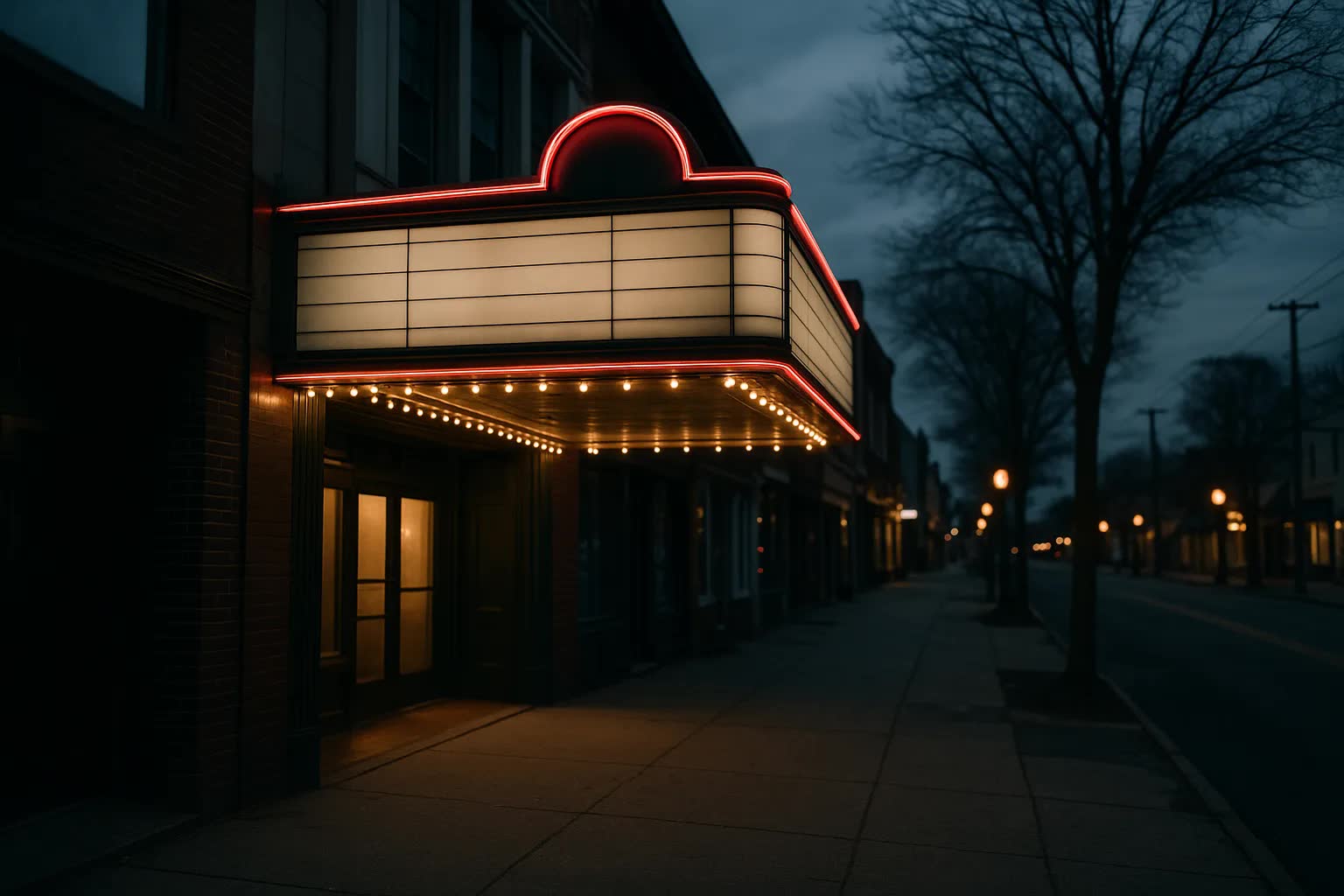
NEW YORK — On a frost-tinged evening when Manhattan multiplexes were closing their late shows, a steady stream of moviegoers crossed the East River and the Long Island Expressway to attend a subtitled screening in Huntington or a restored Polish classic in Port Jefferson, underscoring a quiet but determined effort by independent film houses to keep arthouse programming alive beyond the boroughs. A network of small cinemas on Long Island has begun coordinating bookings, sharing prints and pooling educational resources in a show of cooperative survival that is reshaping cultural life for commuters and suburban audiences alike.
The effort is largely organized under the Long Island Small Theaters Consortium, an informal coalition founded in 2021 to help isolated venues compete for limited international titles. Members include Harbour View Cinema in Port Jefferson, the Patchogue Playhouse, Cinema Loft in Huntington, the Stony Brook Screening Room and the microcinema Third Rail in the East Village, among others. "We realized we were all fighting the same battles — rights windows, translation costs, and low print availability — so we started sharing resources instead of reinventing the wheel," said Marcus Hamid, executive director of the Long Island Small Theaters Consortium.
Programming has shifted from one-off repertory nights to rotating runs that move a film from Patchogue's Ocean Avenue to Huntington's Main Street, and then into an off-hour slot at Third Rail on Christopher Street. The consortium also organizes director Q&As via satellite hookup, subtitling workshops for volunteers and student-curated series in partnership with Stony Brook University's film studies department. "Audiences here want complexity," said Elena Garza, programming director at Harbour View Cinema. "They come for subtitles, for restored prints, and for the communal experience a stream can't replicate."
Concrete numbers show the scale of the change: the consortium grew from six member venues in 2020 to 16 in 2025, representing roughly 3,240 seats across Long Island and western Queens. Collectively those venues screened 124 foreign-language or subtitled titles last fiscal year, up 68 percent from 2021, and average weekend arthouse attendance across the network rose 22 percent, to about 420 patrons per weekend. Annual ticket revenue for consortium members from arthouse programming is estimated at $1.1 million, while shared licensing and distribution deals reduced per-title costs by an average of 35 percent.
Practical cooperation looks mundane but decisive: one theater negotiates North American rights for a limited-release French import, then runs it sequentially at member houses for four weeks; another collects donations for a 35mm restoration and circulates the print. In July, the consortium coordinated the regional release of The Quiet Orchard, a subtitled drama from the Baltica Film Collective, moving it from Huntington to Patchogue to Port Jefferson with timed LIRR weekend packages marketed to Brooklyn and Manhattan audiences. The strategy increases a film's run and gives distributors a clearer revenue path, making arthouse titles more viable in suburban markets.
Neighborhood crossings are part of the story. Filmgoers from Park Slope, Williamsburg and the East Village increasingly treat a Long Island screening as a destination night, pairing a subtitled Italian premiere with dinner on Main Street in Huntington or a post-show discussion at a Patchogue cafe near the train station. Queens patrons from Astoria and Long Island City are joining the migration, often taking the LIRR to Port Jefferson for a Saturday matinee and a ferry ride. Local businesses report measurable lift: three restaurants within two blocks of the Patchogue Playhouse say evening covers on arthouse nights rise by 15 to 25 percent.
The work is not without steep challenges. Rising property taxes, higher utility bills, and the increasing cost of DCP (digital cinema package) creation squeeze margins. Staff shortages mean venues often rely on volunteers for projection and front-of-house. "There are months where I don't know how we'll make payroll, let alone fund a subtitling project," said Dana Li, owner of Cinema Loft in Huntington. Many houses have turned to membership models, donor drives and a patchwork of municipal cultural grants to stay afloat, but the margin for error remains thin.
Foundations and local government have begun to take notice. The Long Island Cultural Fund, a community endowment created in 2022, awarded $150,000 in matching funds over two years to support touring prints and education programs; several town arts councils in Suffolk County have offered small grants for youth screenings. Educational outreach has expanded too: consortium members report more school groups requesting morning screenings, and partnerships with Hofstra and Stony Brook have brought visiting scholars to post-screening talks, creating pathways for students into exhibition and curation roles.
For audiences and artists, the result is a fragile but hopeful ecosystem. "I drove out from Park Slope because I can't find a subtitled Japanese film near me anymore," said Evelyn Morales, 34, a teacher who makes Long Island screenings a monthly ritual. Local filmmakers say the network gives them a rare venue outside Manhattan to test work and meet engaged viewers. Looking ahead, the consortium plans a regional film tour for restored classics, a shared subscription pass that would let patrons see films at multiple venues, and talks with the MTA and LIRR about bundled transit-and-ticket discounts — modest steps, organizers say, toward ensuring that subtitled and international films remain part of the local cultural rotation for years to come.