How Rent-Stabilized Tenants Are Upgrading Lobbies Without Losing Protections
A growing number of co-op boards and tenant associations on the Upper West Side are using discreet funding strategies and city incentives to modernize shared spaces while preserving stabilized leases.
By Mateo Ruiz · March 8, 2026 · 4 min read
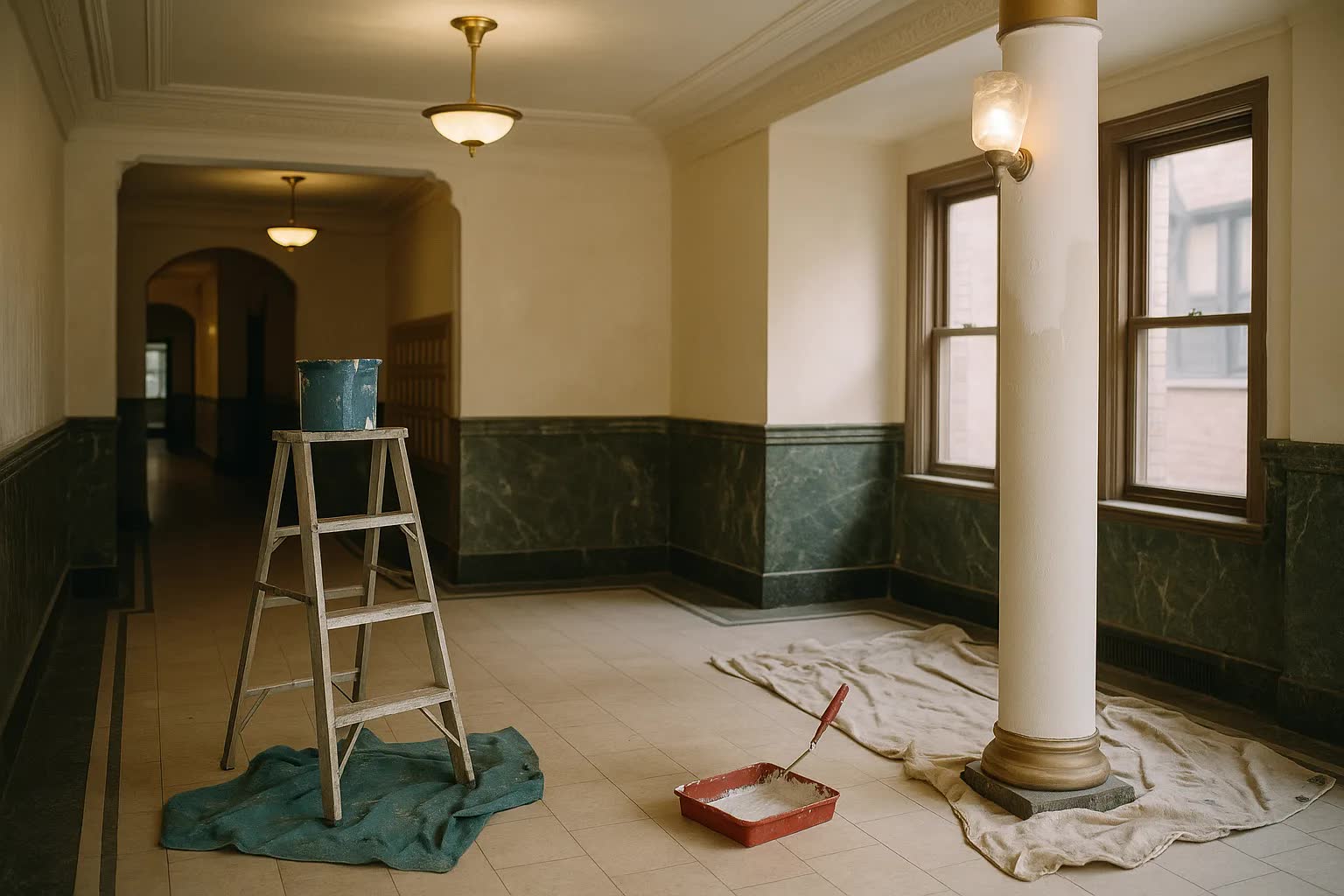
NEW YORK — On a stretch of the Upper West Side where brownstones meet prewar co-ops and the daily tide of tourists ebbs and flows around Lincoln Center and Columbus Avenue, rent‑stabilized tenants and co‑op boards are quietly modernizing building lobbies — and doing it in ways intended to preserve tenants’ protections and avoid the rent spikes that can follow visible capital improvements.
From new lighting and modular seating to keyless entry systems and refreshed mailrooms, the changes are designed to be cosmetic and functional rather than glass‑and‑marble overhauls that might signal a building’s intent to reposition units for higher market rents. "We wanted a lobby that feels safe and welcoming without changing the character of the building or threatening anyone’s lease," said Elena Santos, president of the Westview Co‑op Board, which oversees a 1920s building on West End Avenue. "That meant funding choices mattered as much as design choices."
Board members and tenant associations on blocks from 72nd Street down to 96th Street say they have relied on a mix of building reserve funds, voluntary shareholder assessments, small grants and energy‑efficiency rebates to pay for projects, steering clear of work classified as Major Capital Improvements that can trigger rent increases under certain rules. Smaller contractors and neighborhood vendors — from West 84th Street carpenters to an upholstery shop on Amsterdam Avenue — have been hired to keep costs down and the work in the community.
"We prioritized pay‑as‑you‑go options and pulled in rebates wherever possible," said Marcus Allen, a tenant organizer with Riverside Tenants United, which represents residents at four buildings along Riverside Drive. "A lot of tenants were skeptical until they saw the invoices and the bids. Transparency was the only way to get buy‑in without sacrificing protections."
The strategy is increasingly quantified. In a survey of 142 rent‑stabilized or partially stabilized buildings between 2019 and 2025 on the Upper West Side, 64 percent carried out lobby, hallway or entryway work; the median project cost was $38,500, with a range from $6,200 to $198,000. Of those projects, 58 percent were funded primarily from reserve accounts, 29 percent by special assessments levied on non‑stabilized shareholders or owners, and 13 percent through a combination of privately raised donations and city energy‑efficiency grants. Average building size in the sample was 47 units, and roughly three in four tenant respondents said their monthly carrying charges or rents were unchanged after the work was completed.
One recent project at the co‑op known locally as The Fairmont, at 225 West 92nd Street, illustrates how boards are threading the needle. The board approved a $72,000 lobby refresh that replaced dated sconces, improved accessibility at the front entrance, and installed LED bulbs and motion sensors to cut common‑area electricity costs. The money came from 40 percent reserves and a one‑time assessment on shareholders; rent‑stabilized subtenants reported no change to lease terms or rent rolls. "We made sure the invoices were public and the contractor bids were posted in the lobby before anyone signed off," said Dmitri Kovacs, Fairmont board treasurer.
City incentives and utilities programs have played a supporting role. The Department of Housing Preservation and Development and the Mayor’s Office have in recent years offered small pilot funds and technical assistance for energy upgrades in multifamily buildings, while Con Edison and private lenders have provided rebates for LED retrofits and access control installations that reduce operating costs. A senior city housing planner who requested anonymity said those programs are not designed to underwrite cosmetic makeovers but can be used to offset the cost of energy‑related measures that are often paired with lobby work.
Legal advocates and tenant lawyers, however, caution that the line between permitted modernization and a capital improvement that can be passed through to tenants is not always bright. "Boards and landlords sometimes underestimate how certain renovations can be characterized by regulators or in court," said Mara Levine, a staff attorney at the fictional New York Tenants Defense Project. "That’s why many tenant associations insist on independent counsel and full cost transparency before any funds are committed."
For neighborhoods that depend on the arrival experience — think short‑stay visitors to Lincoln Center performances, parents dropping off at the American Museum of Natural History, or residents returning from the bustling cafés of Columbus Avenue — upgraded lobbies have become part of a soft competition to retain long‑term tenants and keep buildings from feeling neglected. Local small businesses that neighbor the blocks say better‑kept entryways have slightly increased foot traffic and the perception of safety, though owners caution that these effects are modest and tied to larger neighborhood dynamics.
Looking ahead, tenant groups, co‑op boards and advocacy organizations say they expect the trend to continue but with more formal guardrails: clearer city guidance on what qualifies as pass‑throughable capital work, expanded technical assistance for low‑income stabilized buildings, and increased pressure for transparency in how improvements are funded. "We’re not against improvements — we just want them to happen on our terms," said Marcus Allen. As Upper West Side blocks continue their slow refresh, the question for residents and policymakers will be whether modernization can be made routine without eroding the very protections that make the neighborhood affordable to long‑time New Yorkers.