Hudson Line Riders See New Express Options as Part of ADA Push
MTA pilot service will test additional express runs and upgraded platforms to improve accessibility for Westchester commuters.
By Keisha Brown · May 3, 2026 · 4 min read
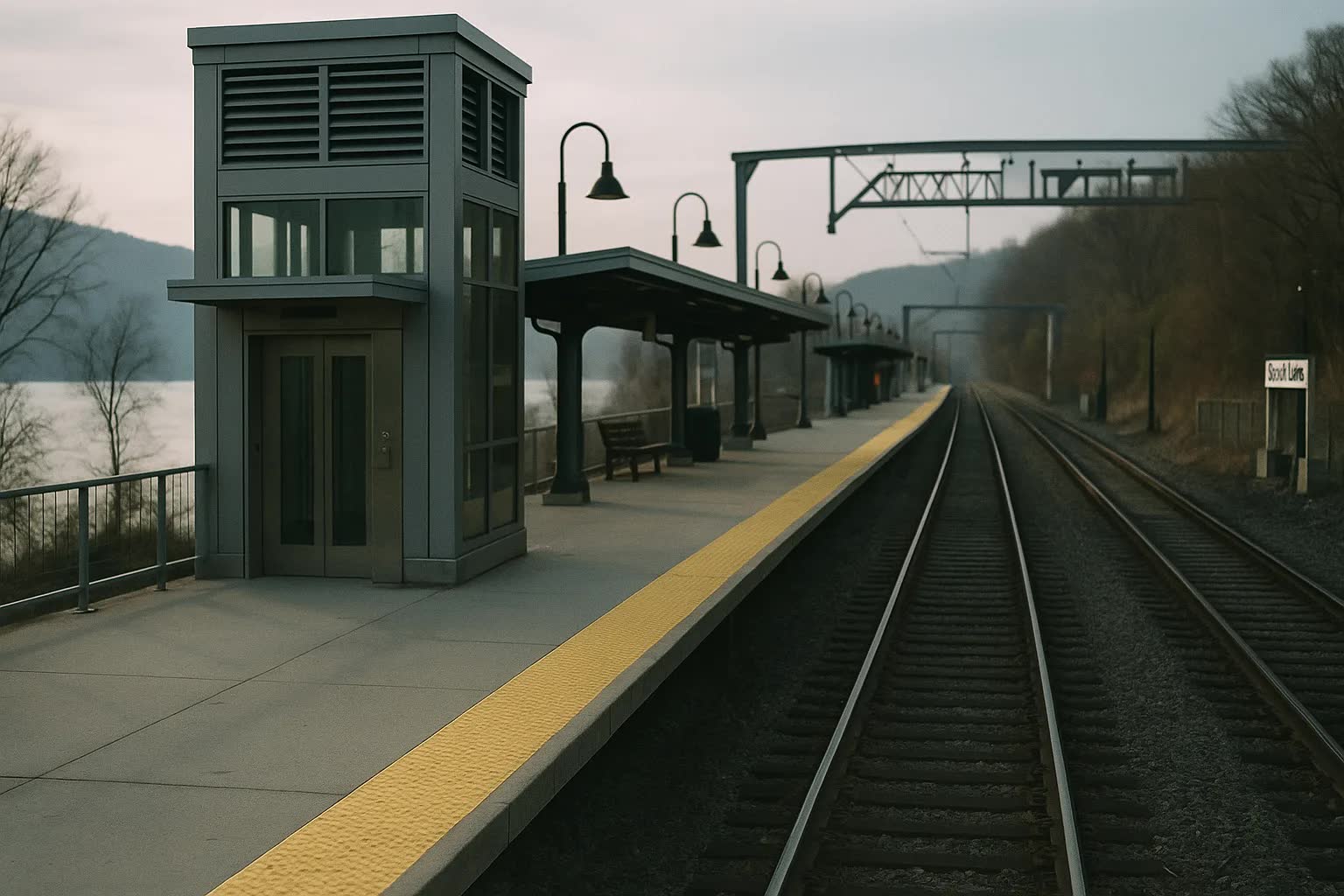
NEW YORK — Commuters on the Metro-North Hudson Line will see a new mix of express trains and upgraded station platforms this summer as part of a yearlong Metropolitan Transportation Authority pilot aimed at making the river corridor more accessible for riders with disabilities and mobility challenges. The program, announced Friday, will add targeted express service during peak hours and retrofit a string of suburban platforms from Marble Hill through Yonkers and up to Dobbs Ferry, changes intended to speed trips into Grand Central Terminal while reducing the physical barriers that make boarding difficult for many riders who live along the Hudson River in Manhattan and Westchester County.
The pilot grew out of mounting pressure from disability advocates, transit riders and some local elected officials who argue that the MTA has lagged on implementing straightforward accommodations required by the Americans with Disabilities Act. Riders in neighborhoods such as Riverdale, Spuyten Duyvil and Hastings-on-Hudson have long complained about wide horizontal gaps between trains and platforms, lack of reliable elevators and inconsistent signage that makes transfers and independent travel harder, particularly for people using wheelchairs, strollers or walkers.
Under the pilot, the MTA plans to add eight additional weekday express runs in the peak direction and install 12 mini-high platforms at low-level stations along the line, along with tactile warning strips, upgraded lighting and clearer wayfinding. The work is set to begin in mid-June with the first new express trains running the morning peak on June 22. Platform construction will be staged to avoid wholesale service disruptions, MTA officials said, though some short-term weekend closures will be required at Yonkers' Nepperhan Avenue entrance and the Hastings-on-Hudson station house on Warburton Avenue.
“This is about equity and dignity,” said Rachel Kim, executive director of the Westchester Transit Riders Association, who lives in Dobbs Ferry and commutes to Midtown East. “For too long, riders who need step-free access or predictable, shorter commutes have had to choose between unreliable elevators and long travel times. If the MTA can show that added express runs can be paired with real, usable platform upgrades, that’s a win for thousands of people on the Hudson Line.”
Not everyone is convinced that the pilot will fully address deeper accessibility gaps. “We welcome the investment,” said a senior MTA planner who requested anonymity to speak candidly about internal deliberations. “But the pilot is a first step. Timetables are tight, funding is finite, and we have to prove we can sustain both the operational complexity of new express patterns and the upkeep of new platform hardware before we move to systemwide rollout.”
Concrete figures released Friday outline the scope: the pilot has a budget of $52 million, of which roughly $30 million comes from a federal grant earmarked for accessibility improvements and $22 million from MTA capital funds. The plan will add eight morning and eight evening peak-direction expresses on weekdays, upgrade 12 platforms at 10 stations, and is projected to shave an average of 12 minutes off peak commutes for express riders boarding between Yonkers and Marble Hill. MTA estimates the program will affect roughly 28,000 weekday passengers who use the Hudson Line and expects to complete the first construction tranche within nine months.
Commuters in the field say additional express trains could change daily habits. Jordan Alvarez, 37, a teacher who lives near Riverdale Avenue, welcomed the promise of a faster ride to Grand Central. “If I can save 10 to 15 minutes, that’s the difference between getting to work on time and scrambling,” he said. “But what really matters is whether the platform improvements mean I can get on the train without a ramp or having to wait for staff assistance.”
Disability advocates say the mini-high platforms — short raised sections that align with train doors — are a pragmatic, quicker alternative to full high-level platforms and elevators at every stop, but they caution such measures must be paired with maintenance commitments. “Temporary solutions become permanent inconveniences if they’re not maintained,” said Maria Leone, director of Access Hudson, a nonprofit that has campaigned for ADA compliance on suburban rail lines. “Powerful signage, audible announcements and timely elevator service are just as important as the physical gap between train and platform.”
Local officials in Westchester and community groups in Manhattan’s Upper West Side and Midtown East said they were briefed Wednesday at a public forum held at the Yonkers Riverfront Library, where MTA planners walked through the staged construction timeline and proposed timetable changes. Business owners along Main Street in Yonkers and Peekskill-area stakeholders raised concerns about weekend construction affecting retail foot traffic, while parents at P.S. 81 in Hastings-on-Hudson asked about safer drop-off options for students who ride the train to school in Manhattan.
MTA officials said they will closely monitor ridership, on-time performance and reported accessibility incidents throughout the pilot and publish quarterly updates. “If the data show measurable improvements in travel times and accessibility outcomes, we will consider permanent schedule changes and a broader buildout,” the unnamed planner said. Riders and advocates will get a first peek at whether that promise holds when the pilot begins service in June and a preliminary report is due by the end of the year, a timeline that will determine whether the Hudson Line’s experiment becomes a template for other Metro-North corridors.