Hudson River Park Faces Accelerating Pier Erosion After Last Summer Storms
Engineers warn that repeated high-water events have undermined foundations, pushing officials to seek emergency stabilization funds.
By Nia Washington · January 3, 2026 · 5 min read
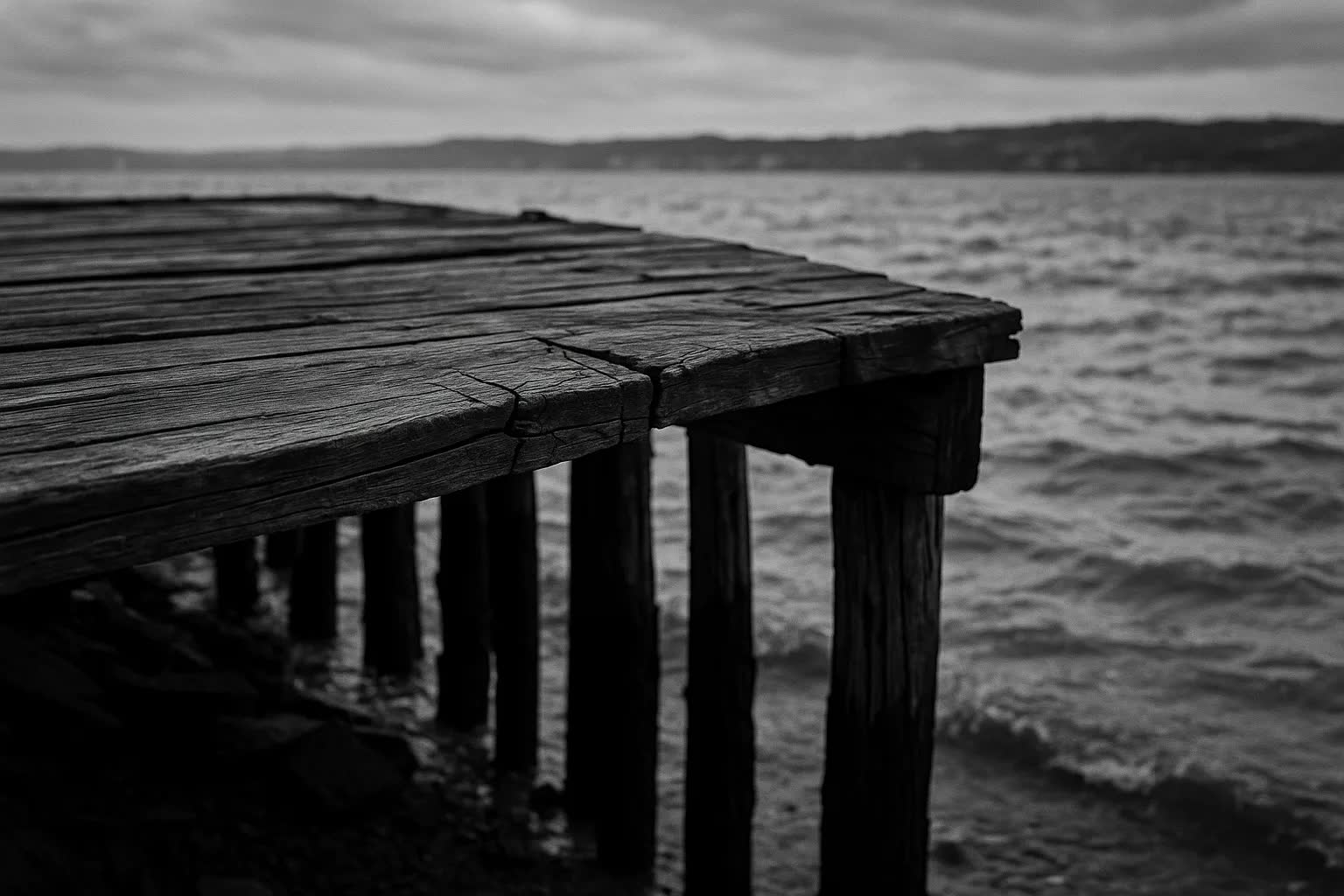
NEW YORK — Sections of the Hudson River Park between Gansevoort Peninsula and Pier 40 are showing signs of accelerating erosion, city engineers warned Saturday, raising fresh concerns about the stability of recreational piers and the greenway that runs along the West Village and Chelsea waterfronts. After a series of unusually high tides and violent summer storms in 2025, park officials say the wooden pile foundations under several piers were undermined faster than models had predicted, prompting emergency inspections and the temporary closure of waterfront paths from Christopher Street to 14th Street for safety work.
Inspectors from the Hudson River Park Trust and consultants on contract to the city said the cumulative effect of repeated storm surges last July and August eroded the sills and scour protection beneath pier structures, exposing timber piles and cracking concrete deck supports at multiple locations in Tribeca and Chelsea. "We are seeing progressive scour that has removed lateral support from pile groups in ways we did not expect after a single event," said Daniela Ruiz, senior coastal engineer for the Hudson River Park Trust. She added that the pattern of damage suggests the piers are more vulnerable to serial high-water events than to isolated storms.
Engineers described the problem in technical terms — loss of backfill, undermined 'pile caps,' and increased flex in deck framing — but the consequences are physical and immediate for New Yorkers who use the waterfront for exercise, commuting and nightlife. Sections of the Hudson River Greenway near Pier 45 were fenced off after inspectors found undermined concrete abutments, and moorings used by small performance barges near Pier 26 were temporarily moved to avoid concentrated loads on compromised deck sections. "If a load concentrates on a compromised span, you could see sudden failures that are dangerous for pedestrians and vessels," Ruiz said.
The threatened closures pose a particular threat to the city’s summer nightlife and cultural calendar along the river. Promoters and nonprofit presenters who staged evening music series on piers and floating stages say they have already canceled events scheduled for spring and summer while engineers assess structural safety. "We used to have a weekly sunset jazz series at the Tidal Stage at Pier 26 — now we don't know if the stage will be safe next June," said Jamal Kendrick, owner of Hudson Row Boathouse and a longtime event operator near Chelsea Piers. "It's not just concerts; it's a whole ecosystem of vendors, crews and artists that depend on that space."
Concrete figures compiled by the Trust and its consultants, and reviewed by the city's coastal engineers, show measurable losses and rising costs: inspectors found up to 1.6 meters of shoreline scouring at the most heavily impacted spots; 38 of 120 wooden support piles inspected at Pier 40 showed exposure beyond the protective cofferdam level; staff recorded four separate high-water events in the 2025 season that exceeded the 99th percentile tidal threshold compared with an average of 1.2 such events per year during the 2010–2019 decade. The preliminary cost estimate for emergency stabilization measures to secure the most at-risk piers is $58 million, with an additional $24 million earmarked for short-term access restorations.
City officials said the Trust has applied for emergency stabilization funds from the state Office of Emergency Management and has requested technical assistance from the U.S. Army Corps of Engineers to accelerate shoring work. A spokesperson for the Trust, Peter Langdon, said the agency was preparing to contract immediate protective measures such as temporary cofferdams, rock revetments and supplemental bracing, and that longer-term design work would run in parallel. The Trust plans to ask Albany and Washington for a mix of immediate grants and matching funds to cover the first phase of repairs and engineering.
Local community leaders expressed frustration at what they called a slow recognition of accumulating stress on the waterfront, and pressed for a more transparent timetable for repairs and for the resumption of cultural programming. "Residents and businesses in the West Village and Tribeca have been calling for resilient shorelines for years; these storms just moved the needle from long-term planning to emergency response," said Marisol Ortega, chair of Community Board 2's Waterfront Committee. Ortega said residents want to see construction sequencing and mitigation for noise and access impacts before crews begin heavy work in spring.
Engineers and planners described a range of potential remedies under study: replacing or supplementing timber piles with composite or steel piles; installing a combination of stone revetment, cellular concrete mattresses and submerged sills to reduce future scour; and piloting 'living shoreline' segments seeded with native marsh plantings where space permits. A multi-disciplinary report commissioned by the Trust projects that, without intervention, repetitive high-water events and a projected local mean sea-level rise of 10 to 12 inches by 2050 would increase the frequency of pier-impact stress events threefold. Design and permitting timelines for full replacement projects are expected to take 18 to 30 months, officials said.
The prospect of lengthy construction and partial pier closures has sparked concern among businesses that depend on weekend foot traffic and waterfront visitors in neighborhoods from Battery Park City north to Hudson Yards. Owners of small waterfront venues said they had begun contingency planning for a second consecutive year of disrupted bookings, and several nonprofit arts groups are exploring alternative venues in community centers and parks inland. City agencies noted that maintaining river access for boaters and emergency craft remains a priority, so some moorings and slips may be reconfigured during stabilizing work.
For now, the Trust and city engineers are preparing a phased response that officials say will prioritize public safety, minimize disruptions to cultural life, and address the most vulnerable structures before the next storm season. Emergency shoring and monitoring equipment are expected to be on-site by March, with more detailed public briefings and permit filings scheduled for February; if funding requests are approved, crews could begin substantive stabilization work in late spring. Planners say the coming months will determine whether the Hudson's popular piers can be protected in time to host summer programming in 2026, as well as what long-term investments will be required to keep the riverfront open and resilient for decades to come.