Hudson Valley Boutique Gyms Aim Beyond Weekend Warriors
Former city residents opening high-end studios in small towns are offering subscription models designed for year-round locals rather than seasonal visitors.
By Malik Johnson · December 5, 2025 · 4 min read
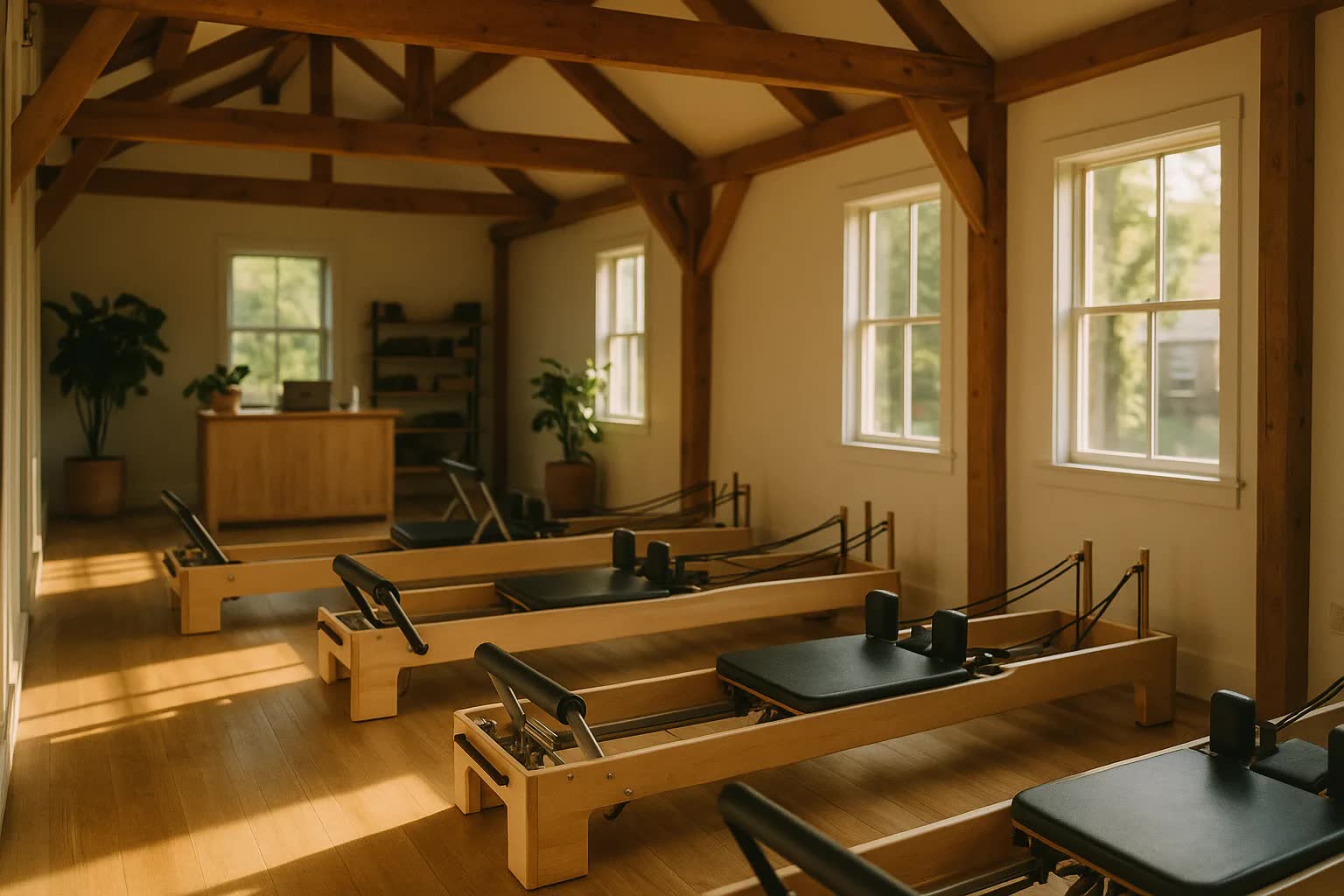
NEW YORK — As the Hudson Valley shed its reputation as a summer playground for Manhattan weekenders, a growing wave of boutique gyms opened by former city residents is banking on a different clientele: year-round locals who want consistent programming, dependable hours and neighborhood prices rather than a seasonal spike around Memorial Day and Labor Day. From Beacon to New Paltz and Rhinebeck, studio owners who cut their teeth teaching barre in the West Village or leading boot camps in Williamsburg are refashioning the region’s fitness scene to suit school schedules, winter commutes and the everyday needs of towns that used to close up after Labor Day.
In Beacon, Beacon Barbell sits two blocks off Main Street in a converted hardware shop where exposed brick meets Atlas stones and a climbing wall. "We built this for neighbors who need a place to train through snow and mud, not just July barbecue crowds," said Raj Patel, owner of Beacon Barbell and a former Inwood resident who took a year to renovate the 2,200-square-foot space. Patel said his subscription model — three tiers, capped class sizes and a 20 percent discount for town employees — was designed to keep rates steady when Hudson Valley weekend traffic ebbs.
Up the river in New Paltz, Ridge Line Fitness markets itself as a community studio with a roster that includes pre-school movement classes, lunchtime express strength training and Saturday restorative yoga for retirees. "We’re not trying to be a city boutique with a line out the door on Sunday; we’re focused on five to six consistent classes a day that people can rely on all year," said Maya Alvarez, founder and head coach at Ridge Line and a former Brooklyn Heights trainer. Alvarez said she intentionally priced monthly subscriptions to undercut a second-home market and to make sustaining a fitness habit easier for families.
Concrete numbers reveal the strategy. Ridge Line reported 420 active members as of November, with 68 percent identifying as full-time Hudson Valley residents and 32 percent as part-time visitors; Beacon Barbell reported 310 active members, a 72 percent six-month retention rate and an average class size of 12. Typical studio footprints range from 1,500 to 3,200 square feet; startup costs cited by four recent owners in a regionwide survey averaged $185,000 for buildout and equipment while monthly membership fees clustered between $65 for an unlimited basic pass and $145 for premium plans that include PT credits and hot classes.
Owners are deliberately embedding studios into the local economy. Ridge Line runs a table at the New Paltz farmers market every Saturday, offering a discounted first-month pass to shoppers; Beacon Barbell partners with a co-op on Main Street for juice-and-recovery nights. "These businesses are plugging into a small-town ecosystem — restaurants, schools, the library — and that makes them more resilient than a brand that only chases summer bookings," said Ellen McGrath, president of the Beacon Chamber of Commerce. She added that foot traffic on Main Street has stabilized in winter months as studio members patronize local shops after class.
Not everyone is pleased. Longtime residents worry that high-end studios accelerate rent pressure and change the feel of town centers that once catered to year-round families. "I’ve lived on Warren Street for 40 years and we welcome investment, but most of these memberships are out of reach for neighbors on fixed incomes," said Harold Greene, 68, a retired schoolteacher in Hudson. Some studios have started sliding-scale scholarship classes or reserved low-cost morning slots for longtime residents, but critics say the relief is uneven and the arrival of more affluent customers is visible on Main Streets across the valley.
Seasonality still matters, but founders say they can live with a predictable summer boost so long as the base remains steady. Most studios report a roughly 40 percent increase in drop-ins and short-term passes during the May-to-October window, often driven by visitors from neighborhoods such as the West Village, Chelsea and Williamsburg who bring friends on weekend trips. "We schedule fewer glossy weekend events and more repeatable, bookable classes — strength, mobility, senior balance — so our calendar supports people who live here and commute to the city on the Hudson Line in the morning," said Lia Torres, director of membership at Ridge Line Fitness and formerly a cycling instructor in DUMBO.
Transportation patterns help explain the business case. Metro-North stations in Beacon, Peekskill and Poughkeepsie make it realistic for studios to attract members who still work in Manhattan or Brooklyn but live upstate; several owners offer hybrid packages that include in-studio classes and a library of streamed sessions for days when weather or work makes travel impractical. Financially, owners report average monthly fixed costs — rent, utilities, insurance, payroll — between $12,000 and $28,000 depending on town and square footage, putting a premium on steady subscriptions over sporadic tourist checks.
For many of the founders, the move north meant keeping a foot in New York City life. Owners still teach occasional master classes in Manhattan or host pop-ups near Hudson River Park and on 14th Street to recruit new members, while town-level collaborations — shared membership passes between studios in Rhinebeck, Cold Spring and Woodstock — are emerging. Studio owners also told NYDailyWatch they expect consolidation and cooperation rather than cutthroat competition as the market matures: several are discussing a regional scheduling app to redistribute demand and keep small studios solvent through the lean months.
Looking ahead, the operators say their bet is on slow, local growth rather than one-off summers. Plans this winter include extended hours for shift workers, expanded senior programming, and shared marketing campaigns to promote all-season events like winter wellness workshops and indoor triathlons. "If we get the calendar right and stay connected to the people who live here year-round, the business will outlast any single summer surge," Patel said, encapsulating the new calculus that places the day-to-day needs of Hudson Valley residents ahead of the weekend rush.