Hudson Valley Orchards Bet on Pick-Your-Own Organic to Lure City Visitors
Several family farms north of Poughkeepsie are shifting acreage to organic fruit and retooling weekend programming for Manhattan daytrippers.
By Julian Alvarez · December 29, 2025 · 5 min read
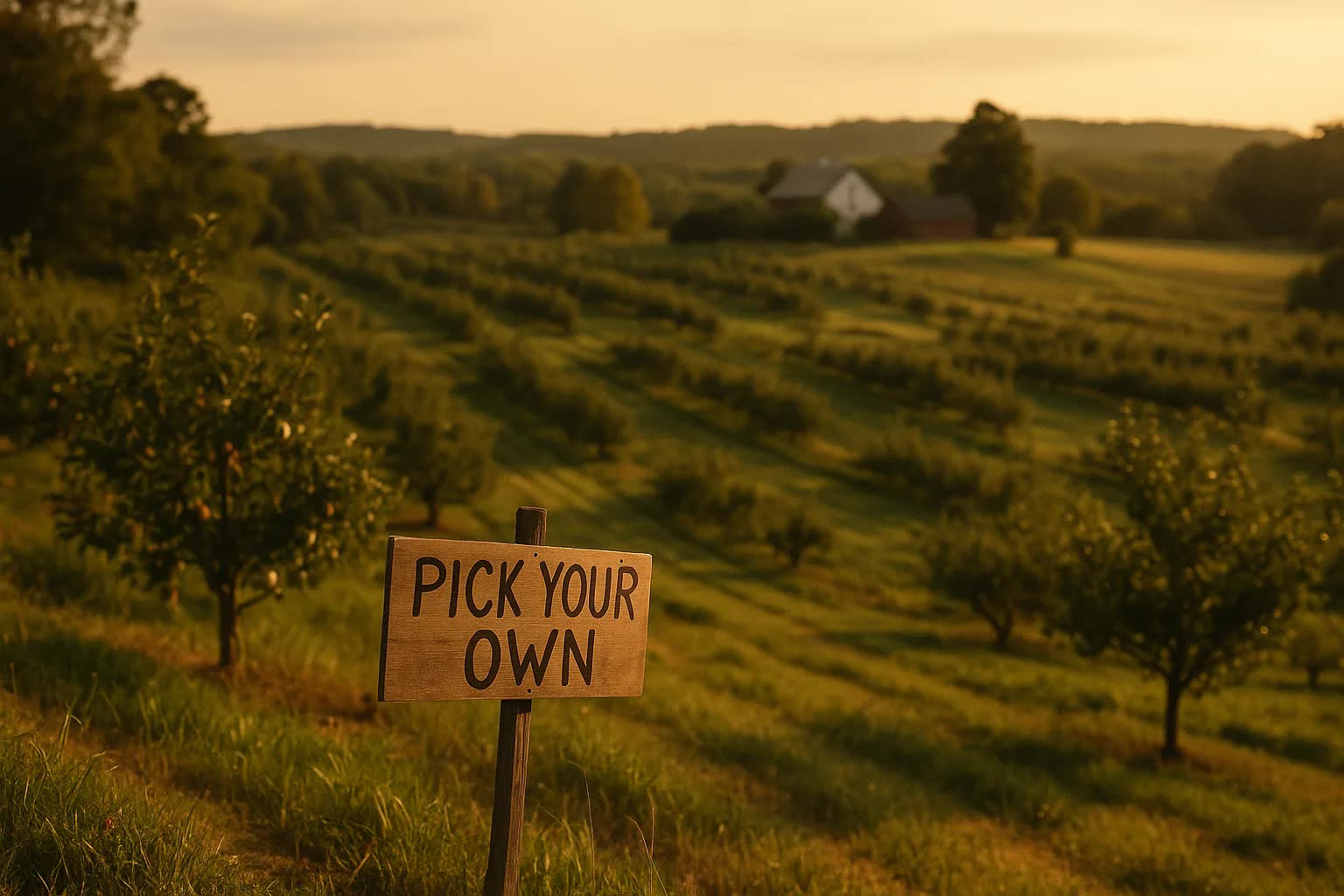
On a gray Saturday in late October, a group of parents from the Upper West Side unloaded strollers and tote bags at the base of a wooden barn in Rhinebeck, swapping talk of subway delays and cold snaps for the smell of apple ferment and hay; that scene has become a deliberate draw for orchards north of Poughkeepsie as they steer more acreage toward organic fruit and retool weekend programming specifically to lure Manhattan daytrippers. The strategy is practical and promotional — advertise an experience that feels both wholesome and Instagram-ready, then price it at a premium city visitors are willing to pay — and it is reshaping how small family farms in the Hudson Valley think about customers, seasonality and survival.
Across three contiguous properties — Silver Crest Orchards in Clinton Corners, Hemlock Hill Farm in Rhinebeck and Riverbend Orchards in Tivoli — owners have converted sections of apple trees, espaliered peach rows and a patch of Bartlett pears to organic systems in the past two years, replacing synthetic sprays with cover crops, targeted biocontrols and a heavier reliance on hand labor. Weekend offerings now include pick-your-own sessions, late-afternoon cider bars with local hard ciders, short tasting flights, farm-to-fork dinners cooked on-site and children’s hay-bale mazes, all timed to Manhattan commuters’ rhythms: pickings open mid-morning and many activities run past the traditional 4 p.m. closing so city visitors can arrive after subway commutes or a late lunch in the West Village.
“We started thinking less like a commodity grower and more like a weekend destination,” said Maggie Torres, co-owner of Silver Crest Orchards and a second-generation grower whose family farm has been operating since the 1940s. “People from Park Slope or Astoria want an hour outside the city where their kids can pick fruit and eat something they know is safe. We charge more, sure, but we also deliver an experience — you’re paying for the story, the safety net of organic practices, and the memory. That’s been a lifeline for our bottom line.”
The scale of the change is measurable. Since 2023, eight family-run orchards in the corridor north of Poughkeepsie have shifted roughly 220 acres into certified organic or transitional organic production, investing an estimated $1.2 million in planting, soil work and certification fees. Weekend attendance across participating farms has grown by about 52 percent, from an average of 800 visitors on a Saturday in 2022 to roughly 1,220 in 2025, and farm-gate revenue tied to pick-your-own and on-site events accounts now for an estimated combined $620,000 annually. Farms report organic fruit commanding a wholesale premium of 30 to 45 percent over conventional fruit, while direct retail and experiential income margins are higher still.
Transport and logistics have become central to the pitch. Many farms are leaning on the Metro-North Hudson Line, local shuttle vans from Rhinecliff and Poughkeepsie stations, and weekend ferry runs from Beacon to reduce the reliance on private cars. “We’ve had to rework our entire arrival pattern,” said Henry Lee, operations manager at Hemlock Hill, describing a new schedule of shuttles timed to the 9:28 a.m. train from Grand Central and a 5:12 p.m. return for late-day visitors from the Upper East Side or Greenwich Village. A senior MTA planner who requested anonymity acknowledged the pressure: “Weekend ridership surges have real impacts on rolling stock and crew schedules; small tourist spikes can cascade, and we’re studying targeted service boosts on peak weekends.”
The move toward organic and experiential farming is not just about marketing; it answers for rising costs and shifting consumer habits. Land taxes, insurance and the cost of labor have pushed growers to seek higher-margin models, and the pandemic accelerated urban demand for outdoor activities. Grants from a regional cooperative marketing fund and a small-business arm of a state agricultural program have helped offset transition costs, and some farms are experimenting with seasonal subscriptions targeted to Manhattan households — weekly organic boxes during apple season delivered to lobbies in Chelsea and the Upper West Side, for example — to smooth cash flow.
Chefs and specialty grocers in Manhattan report renewed interest in sourcing Hudson Valley fruit that can be traced directly to an orchard and a family name. “When we pick up apples from Riverbend, customers in the East Village ask where they were grown, then request them by variety,” said Alicia Rojas, produce buyer for Hudson Table, a farm-to-table restaurant on Hudson Street. “We pay a premium for certified organic and for the story. If our supplier can offer Saturday pick-up or a chef’s tour for regular customers, that deepens the relationship and justifies the price at our register.”
The change has also shifted how farms plan their cropping calendar. To suit daytrippers who prefer late-morning arrivals, many orchards are staggering ripening blocks to keep pick-your-own opportunities open through mid-November and introducing late-fall events like nocturnal cider tastings and small acoustic music nights that can pull visitors from neighborhoods like Williamsburg, Battery Park City and Harlem. Farmers’ market presence in Union Square and pop-up stands on Sundays in Brooklyn Heights now mirror on-farm offerings, creating cross-promotion between a farmer’s urban footprint and rural experience.
Climate risks complicate the optimism. Growers note warmer winters, erratic frosts and new pest pressures have made organic management more labor-intensive and unpredictable; a late frost in 2024 cut yields at one converted block of Gala by nearly half. Many farms say they are investing in diversified plantings — adding cherries, quince and hardy heritage pears — and in infrastructure like frost fans, high-tunnel tunnels for early-season fruit and trialing low-spray integrated pest management that will allow them to remain certified without sacrificing resilience.
Looking ahead, orchard owners and city partners say the trend is likely to deepen: farms are exploring coordinated shuttle schedules with Metro-North, a cooperative online booking platform aimed at Manhattan households and a small grant program to help neighboring farms convert an additional 150 acres to organic within three years. For city dwellers craving a quick, clean escape from Canal Street or the Upper East Side, the Hudson Valley’s pick-your-own pitch is being rewritten as an urban amenity as much as an agricultural pivot — one that will hinge on weather, labor and whether the city can continue to ferry, train and shuttle enough people out for a day of apples and cider.