Indie Film Production Incentives Bring More Shoots to Upstate Locations Near Albany
New state tax credits combined with proximity to NYC are drawing independent crews seeking rural and small-city backdrops.
By Ezekiel Harris · December 20, 2025 · 4 min read
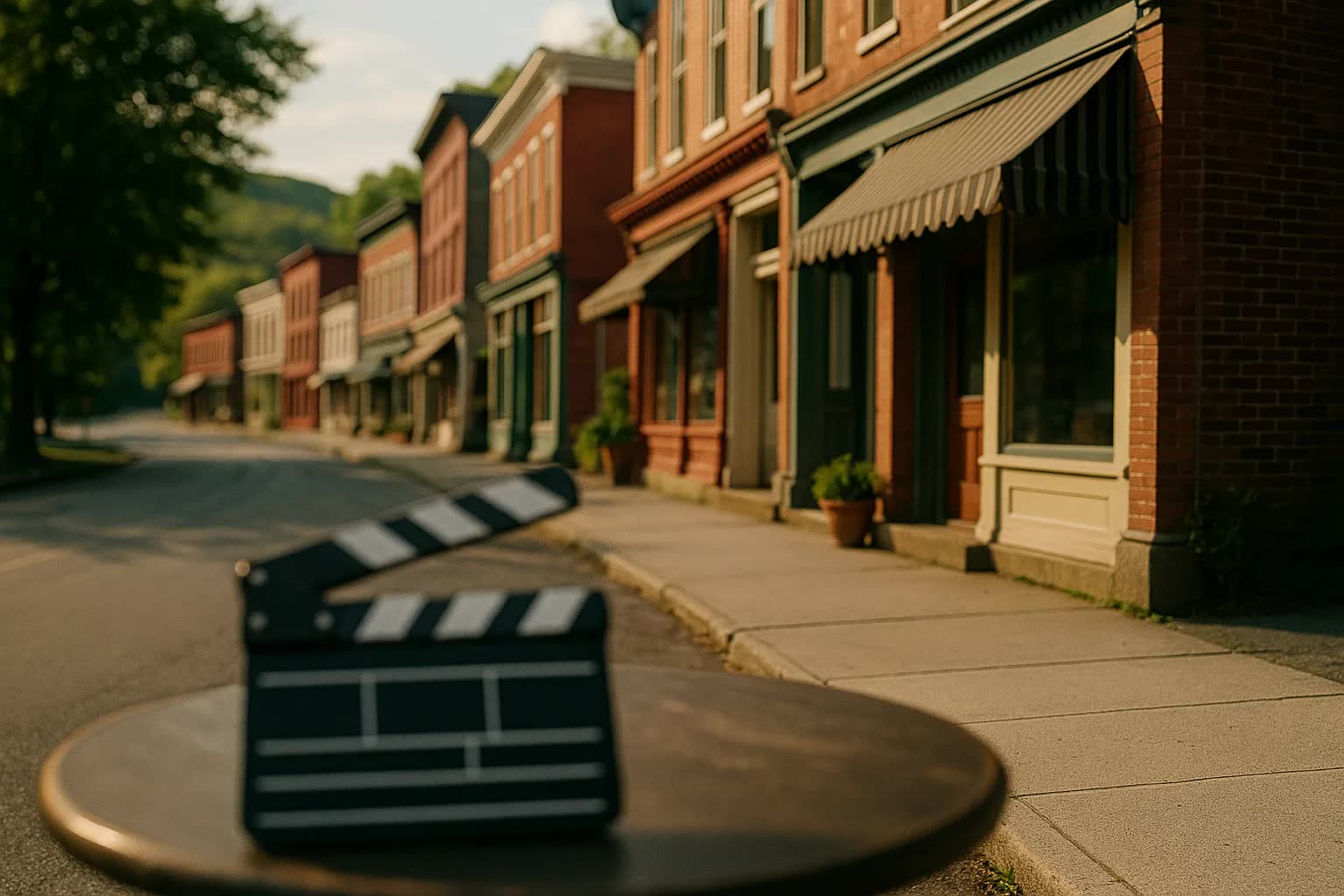
New York City producers and location scouts who once spent hours negotiating permits in SoHo or jockeying for weekend windows in Hell's Kitchen are increasingly driving north on the New York State Thruway, drawn by new film-production tax incentives and rural backdrops that can be reached in less time than a weekday commute to the Brooklyn Navy Yard, industry executives and local officials say.
The incentive package, rolled out two years ago by the state’s creative economy office, has proven particularly attractive to independent filmmakers based in Manhattan and Brooklyn who need to stretch tight budgets without sacrificing production value. "We used to limit night shoots in Manhattan because of costs and noise; now we can get period streets in Troy with the same money and still fly our key makeup and art staff up from Chelsea and Williamsburg," said Maya Chen, executive producer at Red River Films in the East Village.
The regions getting the most attention sit within an easy rail or highway hop of New York City: Albany-Rensselaer, Troy, Schenectady, Hudson and Rhinebeck are all less than three hours by Empire Service and Ethan Allen Express from Penn Station or by car from the FDR Drive and Gowanus. Location scouts point to preserved Main Streets, Victorian rowhouses, industrial riverfronts and rolling farm lanes — settings that often stand in for New England or small-town Midwest on screen — while still being close enough for wardrobe and craft services to return to Brooklyn or Manhattan at the end of the day.
Concrete figures underscore the shift: the state offers up to a 30 percent refundable tax credit on qualified below-the-line wages and a 10 percent local hiring bonus in designated counties, with a minimum qualified spend of $75,000 for indie eligibility; between 2022 and 2025 the number of independent productions filming in Albany-adjacent counties rose from 64 to 167, state data prepared for local economic development offices shows, bringing an estimated $52 million in direct local spending in 2024-25 and creating roughly 1,200 temporary crew positions across the region.
"We booked 28 shoot days in six months this fall alone — a lot more than we expected," said Jonah Ruiz, a location manager who runs North River Location Services in Beacon and contracts frequently with Manhattan production companies. "Local permitting is getting faster, crews are more knowledgeable about the towns, and property owners are eager to sign contracts because they see the direct dollars and sometimes return customers for events and weddings."
For New York City film workers, the migration is less a relocation than an expansion of the workday. Costume designers, set builders and cinematographers still commute from neighborhoods like Greenpoint, Astoria and the Garment District; production offices often remain in Midtown or near Grand Central; but the shoots themselves are moving outward, producing a split geography of creative labor that keeps key decision-makers in the city while staging complex scenes in the Hudson Valley and Capital Region.
Small businesses in places like Troy's River Street and Hudson's Warren Street report consistent boosts. At Afterlight Café, which sits opposite a popular brick warehouse used in period pieces, owner Keisha Browne said weekday bookings from craft service suppliers have become a reliable revenue stream. "We used to close Tuesdays in the winter; now we get calls to feed a crew of 35 on short notice," she said. B&B owners and local caterers have expanded inventories, while antique stores and prop houses report steady rentals to production decorators.
The influx has not been without frictions. Local governments have had to adapt permitting processes, and some communities have raised concerns about wear on narrow Main Streets and strain on seasonal housing. "We welcome film shoots because they generate taxable business and jobs, but we need to make sure our infrastructure keeps pace — sanitation, parking, and affordable long-term housing for crew are real issues," said Elena Morales, director of the Capital Region Film Commission. Unions representing below-the-line workers have also pressed for clear rules about per diems and overnight accommodations when crews travel from the city.
State officials and private developers are already planning for the next phase: a proposed satellite soundstage complex outside Schenectady has secured preliminary financing from a regional development bank, and Albany’s arts council is organizing a location-scouting summit next spring aimed at connecting indie producers with municipal leaders. With lawmakers in Albany signaling interest in fine-tuning bonus tiers and New York City production houses continuing to seek cost-effective ways to shoot high-quality work, the film scene that has long been rooted in Manhattan looks poised to broaden into a two-way corridor that keeps creative jobs in the metropolitan area while exporting more shoot days to upstate streets and fields.