Inside the Bronx's New Mural Corridor
A city-funded streetscape project has turned a stretch of the South Bronx into a rotating outdoor gallery and flashpoint for community debate.
By Julian Alvarez · December 2, 2025 · 4 min read
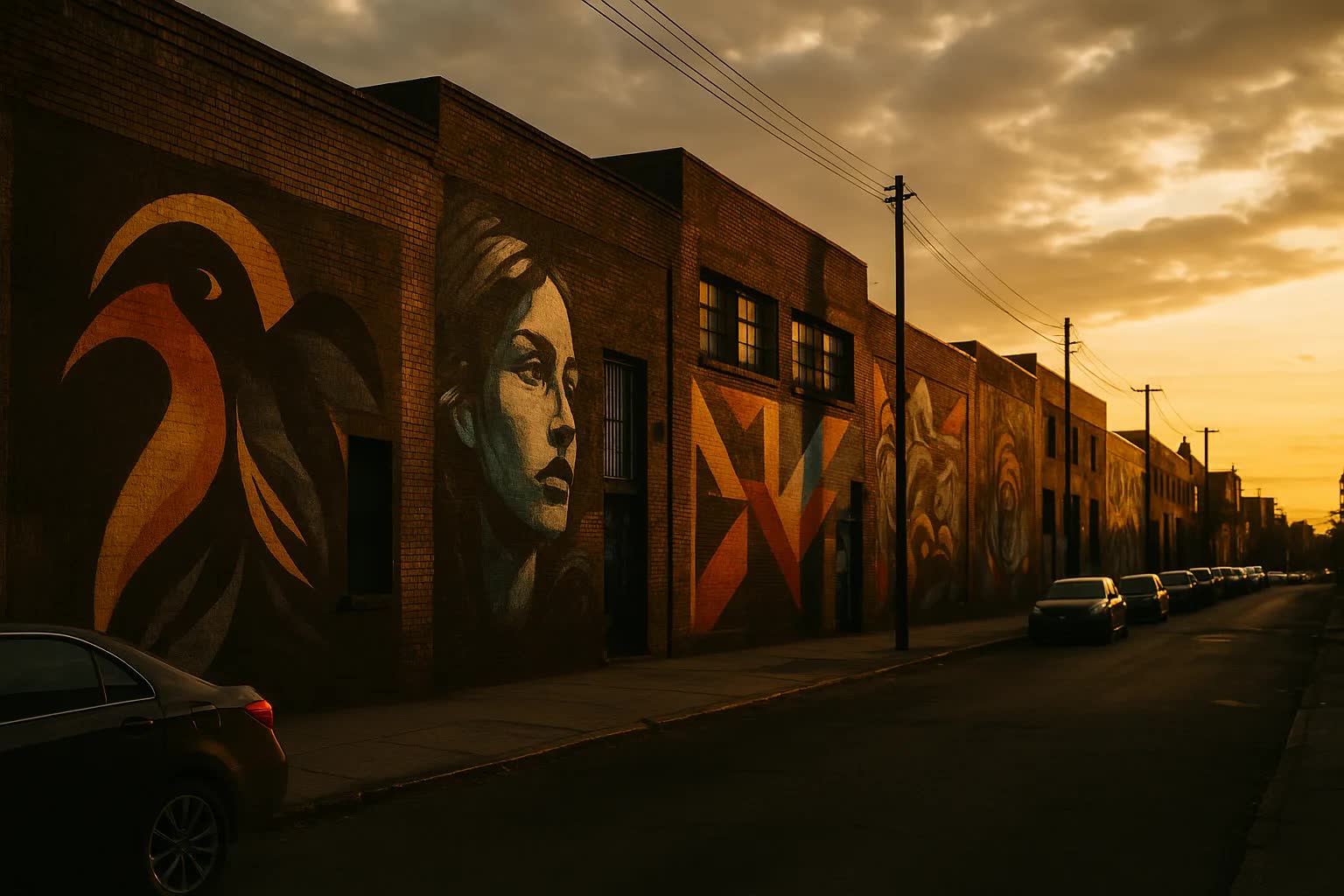
NEW YORK — On a nine-block stretch of Third Avenue between 141st and 150th streets, just south of the Hub and a few blocks from the ornate facade of the Bronx County Courthouse, a city-funded streetscape project has turned blank industrial walls into a revolving outdoor gallery that has become both a tourist stop and a flashpoint for neighborhood debate. The corridor, now officially billed by the Department of Cultural Renewal as the South Bronx Muralway, is a deliberate effort to animate commercial thoroughfares with rotating works by local, regional and guest artists while widening sidewalks, installing new LED lighting and adding planted tree pits.
The first rotation, installed in June, includes 12 large-scale works that range from photorealistic portraits of neighborhood elders to abstract panels that riff on the nearby East River and Hunts Point waterfront. Murals sit above bodegas and hardware stores and face newly painted bus shelters, and a mobile app developed for the project offers audio descriptions and artist statements keyed to QR codes. City officials say the program is designed to create safer public space and economic spillover for small businesses on blocks that for decades were dominated by warehouses and automobile repair lots.
"We wanted something that felt of this place and also pushed this place forward," said Marisol Rivera, director of the South Bronx Arts Collective, which helped curate the first year of the project. "These murals are a conversation, not a billboard, and the rotating schedule means the street can keep telling new stories without losing the old ones." Rivera said the collective prioritized Bronx-born artists and younger practitioners who work in community arts programs, and that each commission included time for neighborhood workshops and school visits.
City documents and project materials supplied by the Department of Cultural Renewal show the five-phase initiative is backed by $5.1 million in municipal funding and private grants, covers approximately nine contiguous blocks, and includes 12 primary mural sites and 16 secondary active walls slated for vinyl wraps and temporary works. Officials allocated $350,000 a year for maintenance and lighting, selected 28 artists for the first 18 months of programming and estimate pedestrian traffic on weekend afternoons has increased by roughly 38 percent between June and November compared with the same period last year, based on automated counts installed at three intersections.
The mood on the avenue is mixed. Many small-business owners say the murals have brightened dull facades and helped bring new customers to pastry shops and barber shops along 145th Street, but some longtime residents and local organizers argue the selection and placement process has sometimes favored outside talent and glossed over concerns about rising rents. At a packed public hearing in October at PS 32, several speakers asked for clearer commitments about affordable commercial space and for murals that reflected languages and histories not yet seen on the walls.
"We love the art, but we also want the city to love our people the same way," said Samuel Ortiz, owner of Ortiz Bakery on 146th Street, as he wiped icing from his hands. "When you have a lot of new faces here, we worry about rent, about who these murals are really for. We asked for one space to feature our elders and the city said it would consider it — that's still unresolved." Ortiz's shop has seen an uptick in customers from weekend mural walkers but he said bills are rising faster than sales.
Artists and curators counter that the rotating model was chosen to prevent a single aesthetic from defining the corridor. "Rotation keeps the work fresh and gives more artists a chance to be seen," said Lena Gomez, a muralist who painted a six-panel series of fishing nets and river birds for the project. "But it also means each piece has to be kept up or it feels transient, which is why we fought for maintenance funding up front." Gomez and other artists have pressed the city to codify conservation protocols and to train local apprentices in restoration techniques so the murals can be cared for by neighborhood residents.
The project has also brought technical complications. Because several murals sit on structures adjacent to transit corridors and city-owned property, approvals required coordination with an array of municipal agencies and, in one instance, a senior MTA planner who requested anonymity said the agency required additional protective coatings and inspection plans before allowing paint near an elevated tract. Permits for the vinyl wraps and lighting were issued on conditional terms, and contractors say the LED fixtures have to meet strict vibration and glare standards because of nearby bus lanes and ambulance routes.
Economic ripple effects are already measurable, according to local nonprofit data and interviews with small-business owners: mural-related pedestrian traffic has coincided with a reported 12 percent rise in weekend sales at five retail storefronts within the corridor, and artists were paid stipends ranging from $1,500 to $3,500 for the first rotation — a program expenditure totaling about $68,000. Developers and property owners have also inquired about investing in permanent gallery space and expanding streetscape improvements into Mott Haven and Port Morris, a possibility that has triggered both optimism about job creation and worry about accelerated displacement.
City officials say the Muralway will be evaluated after an 18-month pilot period and that expansion plans will be subject to community board review and impact studies. In coming months the Department of Cultural Renewal plans a series of town halls, and the coalition of local groups that pushed for the project is seeking a formal advisory role in choosing future artists and stewarding maintenance funds. Whether the painted blocks will become a lasting symbol of cultural renewal or a short-lived attraction will depend in part on those negotiations — and on the extent to which the corridor can balance artistic ambition with everyday neighborhood needs.