Landlords Brace for Albany's Sweeping Rent Law Revisions
New amendments to the state's rent stabilization framework close several deregulation pathways and impose stricter limits on major capital improvement pass-throughs, drawing fierce opposition from property owners and cheers from tenant advocates who have spent years pushing for the changes.
By Bill Ren · July 20, 2026 · 6 min read
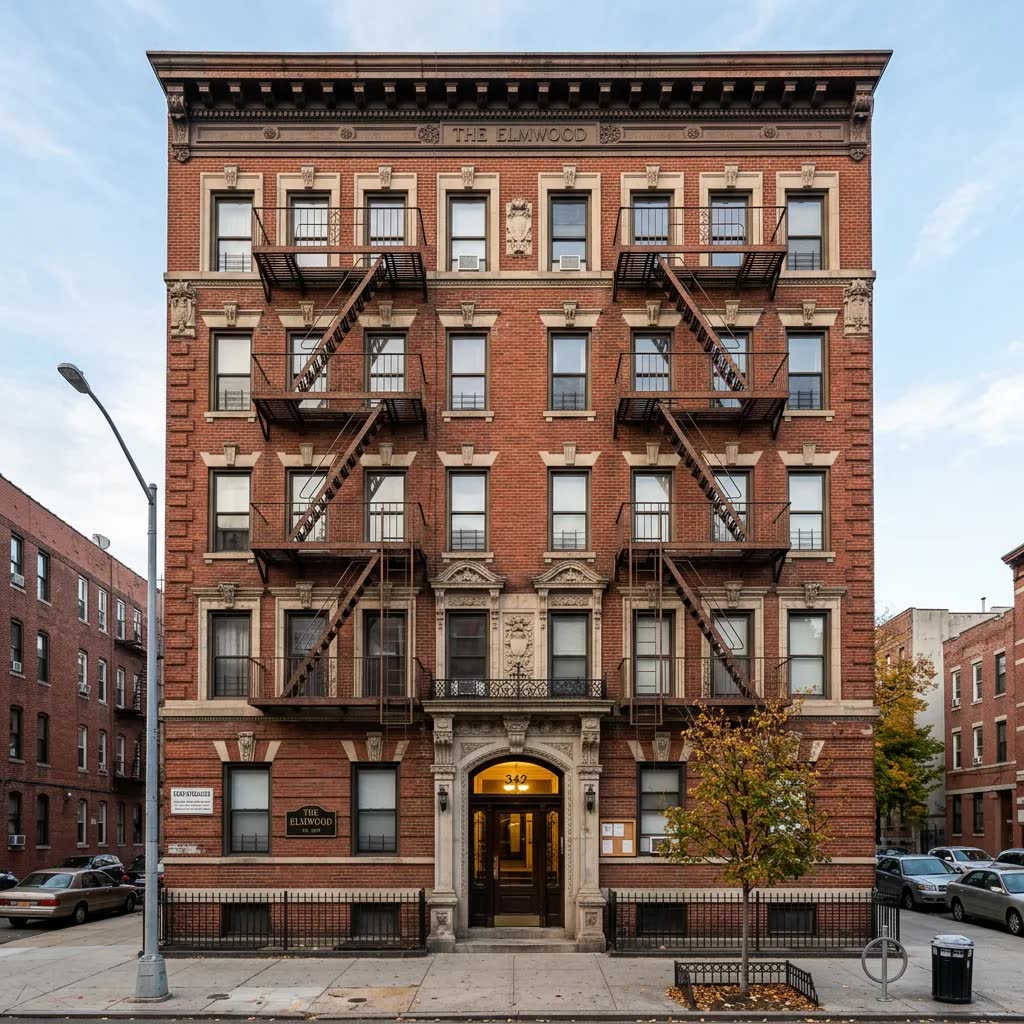
NEW YORK — Albany's revisions to New York State's rent stabilization law, signed into effect last month, represent the most significant shift in the regulatory framework governing the city's approximately one million stabilized apartments since the 2019 Housing Stability and Tenant Protection Act. Landlords and real estate industry groups, who have spent years challenging that earlier law in court, are now confronting a second round of changes they say will accelerate building deterioration and chill investment in residential properties.
The revisions close what tenant advocates have called the major capital improvement loophole, under which landlords could pass through costs for building-wide upgrades — new roofs, boilers, elevators, and windows — as permanent rent increases, subject to a modest annual cap. Under the new framework, capital improvement increases are temporary rather than permanent, expiring after a fixed number of years and reverting to the pre-improvement rent once the recovery period ends. The change eliminates a financial mechanism that some landlords used to achieve meaningful rent increases by scheduling renovations strategically.
The law also tightens the definition of substantial rehabilitation, a pathway through which landlords could remove a building from stabilization by gut-renovating it into an essentially new structure. Advocates argued the pathway had been exploited to remove functioning apartment buildings from the stabilized stock; the revision raises the threshold for what constitutes substantial rehabilitation and requires prior regulatory approval before a building can be declared exempt.
Building owners argue the cumulative effect of the changes is to make it economically irrational to invest in stabilized properties beyond the minimum required by the housing maintenance code. Several large owners of stabilized portfolios have told investors they are considering accelerating sales of underperforming buildings, which would likely transfer them to buyers more willing to operate under tight regulatory constraints. Tenant advocates say that outcome, if it materializes, is preferable to the prior situation, in which landlords held buildings while pressuring tenants to leave and allowing conditions to deteriorate. The debate over the law's practical effects on building quality and housing supply is expected to play out over the next several years, as landlords adapt their business models and tenants watch closely to see whether the regulatory protections translate into better conditions on the ground.