Late-Night Diners in Upper Manhattan Pivot to Plant-Based Menus
Neighborhood staples are adding vegan comfort options to attract younger crowds without alienating longtime customers.
By Amina El-Sayed · May 1, 2026 · 4 min read
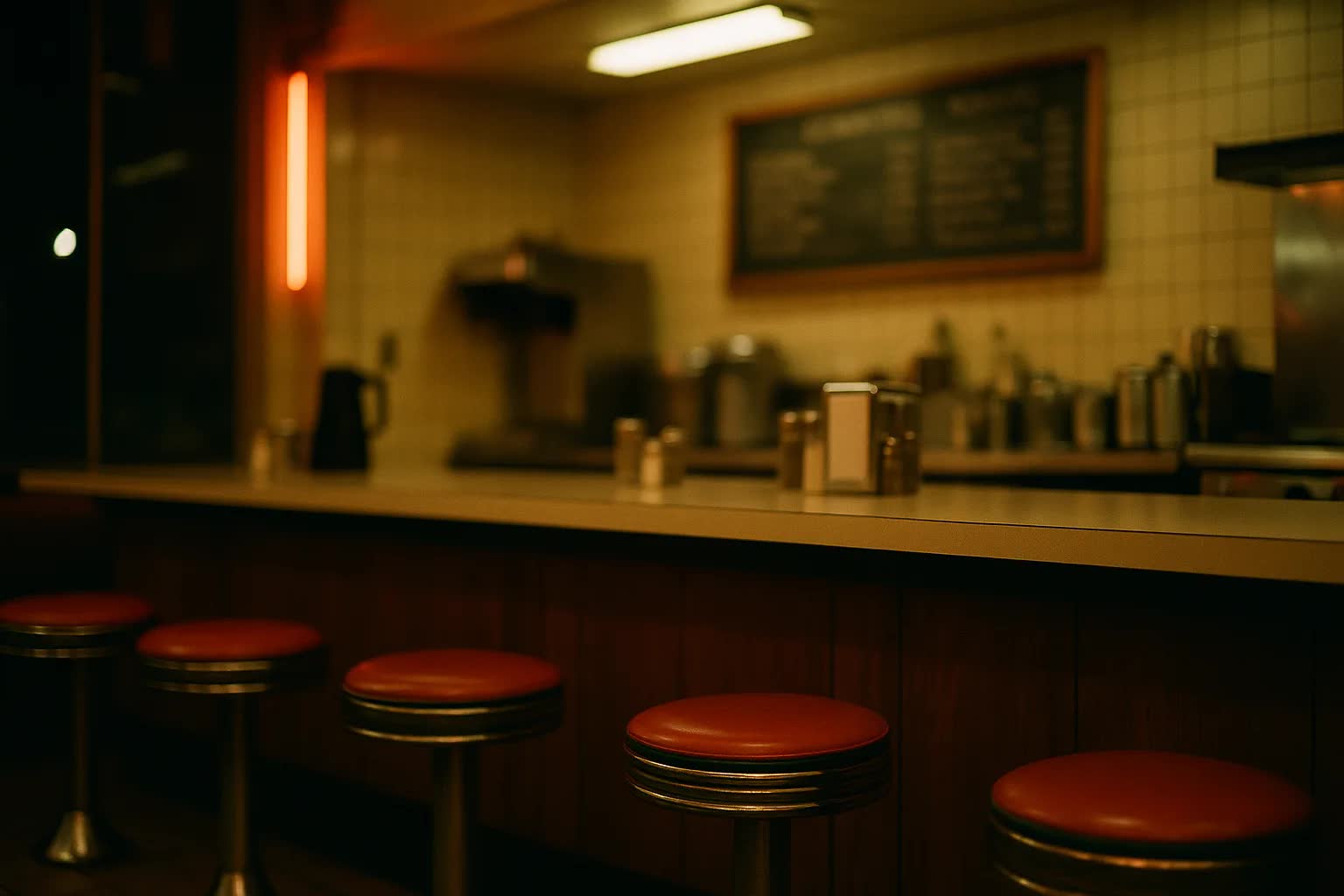
Late-night diners along 125th Street, Frederick Douglass Boulevard and in pockets of Hamilton Heights and Morningside Heights are quietly rewriting menus that have fed night-shift workers and jazz crowds for decades, turning classic egg-and-pancake plates into plant-forward comfort food as a way to draw younger customers without alienating longtime regulars. In a city where a slice can define an identity, the shift in Upper Manhattan is both culinary and commercial: familiar neon signs still hum after midnight, but under those lights chefs are testing vegan grits, jackfruit “short rib” and oat-milk milkshakes beside patinated counter stools and semaphore coffee pots.
For many of the neighborhood’s late-night spots, the move has been incremental rather than revolutionary. Owners say they are adding plant-based versions of staple dishes rather than scrapping the meat-and-egg offerings that sustained them through decades of change. At Harlem Hearth Diner on St. Nicholas Avenue, proprietor Marisol Vega swapped half a shelf of canned corned beef for seitan and chickpea mash last fall, advertising the new items with a modest chalkboard that sits next to a faded flyer for a jazz trio that still plays every Saturday at 1 a.m.
“We’re not trying to rebrand the whole place,” Vega said, speaking at the counter while a group of café workers from nearby Columbia University filled the stools. “People come here for the same sense of home. If someone wants a vegan omelet, we make it for them. If someone wants the diner special with bacon, they still get it. It’s about expanding, not replacing.” Her tone echoed a broader calculus among restaurateurs in the area: keep the core customer base while accommodating shifting tastes.
This culinary balancing act reflects changing demographics and economic pressures. Rents and supply costs in Upper Manhattan have climbed since the early 2020s, and younger residents moving into renovated brownstones increasingly cite dietary preferences — and social media — as influences on where they eat. At the same time, late-night hours and razor-thin margins make any menu experimentation risky; chefs must find ingredients that are affordable, shelf-stable and able to withstand a midnight rush without breaking the bank.
Concrete numbers underline the trend. A December 2025 survey of 18 late-night diners conducted by the Upper Manhattan Restaurant Alliance — a local trade group — found that 11 reported having added at least two plant-based entrees to their menu, with six of those now offering more than 30 percent of their late-night plates as vegetarian or vegan. Average nightly foot traffic for participating diners rose 12 percent in the three months after new items were introduced, and average checks increased by 8 percent, according to the survey. The same study indicated 38 percent of patrons at late-night hours were under 35, up from 27 percent two years earlier.
Customers and community members have reacted with a mix of curiosity and caution. “I come here after shows at the Apollo; I want something that feels like a hug when it’s midnight,” said Andre Palmer, a longtime regular and community organizer, after trying a black-eyed pea burger at a diner on 116th Street. “If that burger tastes like home, I don’t care what it’s made of. But I don’t want to lose the soul of the place.” That sentiment is echoed by servers and cooks who describe weekend rushes in which older patrons order both meat and plant dishes at the same table.
Operationally, the shift has meant retraining line cooks and building new supplier relationships. Several diners in Hamilton Heights reported partnering with local producers — Greenpoint-based tempeh makers and Bronx hydroponic farms — to source consistent plant proteins and fresh greens. “There’s a learning curve,” said Tamsin Holt, general manager of Night Owl Diner on Frederick Douglass Boulevard. “We had to invest in new pans, new prep lists, and change how we store things to avoid cross-contamination. But the new items are profitable at midnight, and our staff like the variety.”
Not all responses have been positive. A handful of older customers complain about changing portion sizes and menu language they consider fashionable rather than substantive. Supply-chain disruptions — cauliflower shortages last winter in particular — forced some diners to rotate items more quickly than anticipated. City health inspectors contacted for comment noted that plant-based menus do not alter licensing requirements but do bring fresh attention to allergen labeling and cross-contact protocols in tight prep kitchens.
Beyond operational headaches, the pivot speaks to a broader cultural negotiation in Harlem and neighboring corridors about identity and belonging. For some restaurateurs, the plant-based pivot is also a gesture toward public health; proprietors point to high rates of diet-related illness in parts of Upper Manhattan and frame menu choices as small steps toward community well-being. For others it is a market play to capture late-night dollars from a generation that values sustainability and culinary novelty. Either way, the diners are proving resilient, adapting recipes handed down across generations while tapping into younger palates.
Looking ahead, restaurant owners and neighborhood leaders say the trend will likely continue to evolve rather than settle into a single model: expect rotating seasonal plant-based specials, pop-up collaborations with local vegan chefs, and more late-night tasting menus that mix fried chicken and tempeh croquettes at a single table. As one Harlem restaurateur put it bluntly while polishing a coffee urn on a Tuesday morning, “We’ve always fed people what they needed at 2 a.m. — now we just have more ways to do it.”