Lincoln Center Launches Affordable Series Spotlighting Local Emerging Choreographers
A newly announced low-cost performance slot aims to lower barriers for NYC dance-makers to present work at the complex’s smaller halls.
By Zoe Kaplan · February 14, 2026 · 4 min read
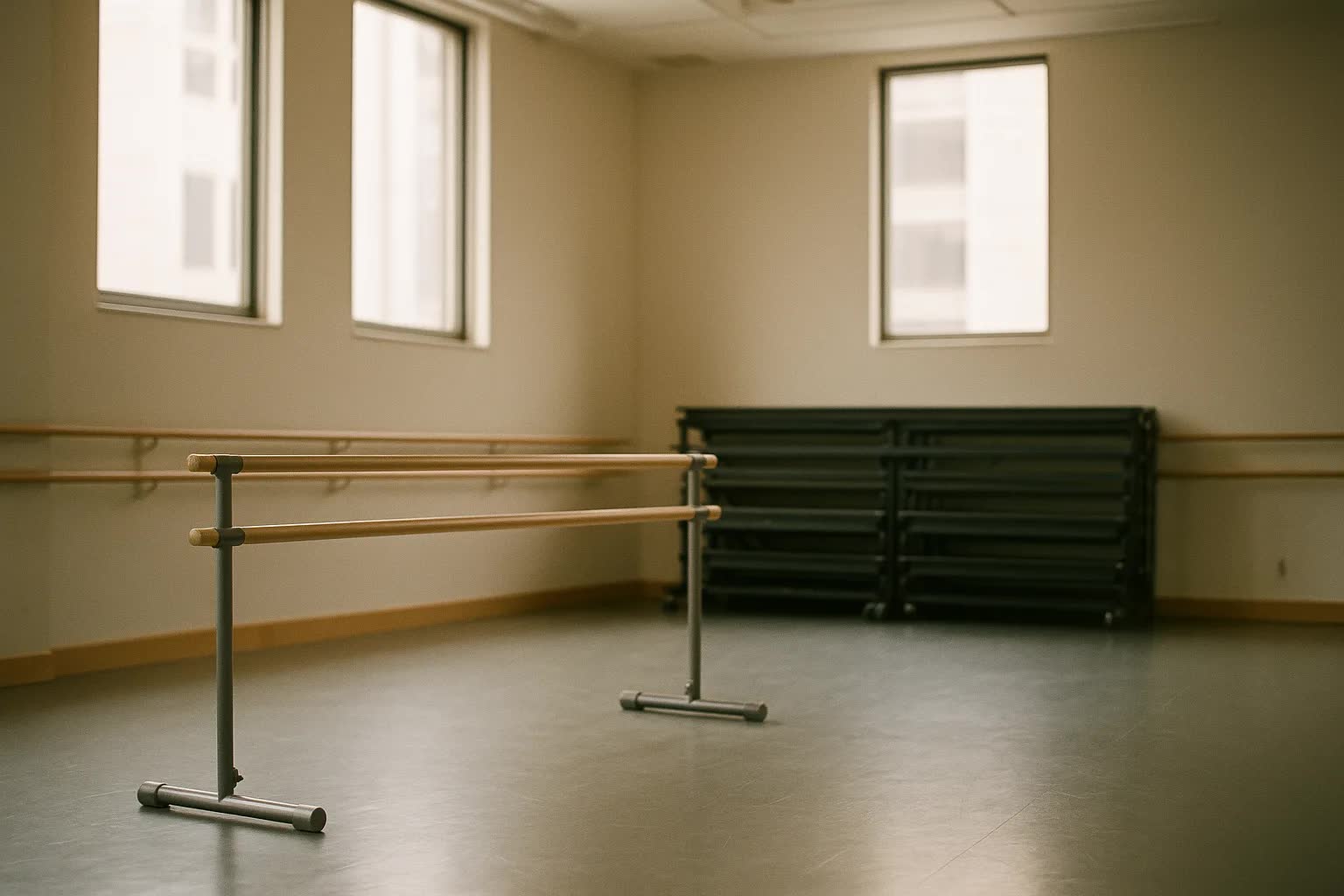
NEW YORK — Lincoln Center for the Performing Arts announced Friday a new affordable performance series aimed at lowering the financial and logistical barriers for local, emerging choreographers to present work on the complex’s smaller stages, a move organizers say will expand access to a campus long dominated by established ensembles and touring productions.
The initiative, called Lincoln Center Emerging Voices, will offer performance slots in two of the complex’s compact venues — a 180-seat recital hall on West 65th Street near Columbus Avenue and a refurbished black-box studio adjacent to Juilliard — at ticket prices capped well below the market for downtown stages, organizers said. The program is explicitly aimed at choreographers living and working in New York City neighborhoods from Bushwick and Williamsburg to Harlem, the Lower East Side and Astoria.
“We wanted to create an entry point that felt practical — not just symbolic,” said Maria Chen, director of community programs at Lincoln Center, who has led the pilot planning since last spring. “There are incredible dance-makers here already living in the city who simply can’t shoulder the venue deposit, the tech fees or the audience-development costs to get a first run in a respected space. This alters the equation.”
The series is the latest in a growing push citywide to decentralize access to institutional stages. Lincoln Center’s leadership, which declined to provide long-term budget projections, said the program would be funded through a mix of philanthropic gifts, reallocated internal resources and ticket revenue, and that it would include modest technical support and marketing assistance for each participant.
Concrete numbers released with the announcement detail that the series will program 24 short-run presentations annually — 12 in the fall and 12 in the spring — with individual runs of three performances. Tickets will be priced at $15 for general admission and $5 for students and seniors, and participating choreographers will receive a $1,500 artist stipend plus eight hours of technical rehearsal time and basic front-of-house services; the inaugural application drew 412 submissions in an internal preview, organizers said, with 63 percent of applicants based in Brooklyn, 22 percent in Manhattan, 9 percent in Queens and the remainder in the Bronx and Staten Island.
Local choreographers greeted the program with cautious optimism, describing the perennial challenge of translating itinerant rehearsal time into production-ready work. “I’ve gone from studio to street festival to a community center and back, trying to cobble together an evening that feels like a full statement,” said Jamal Rivera, 31, artistic director of the Nightfall Collective, who lives in Bedford-Stuyvesant and plans to apply. “To have a warm, professional room on the Upper West Side with people who know how to hang lights and sell tickets — that’s transformational for a lot of us.”
Some neighborhood arts organizers said they hoped the program would also prioritize outreach so audiences reflect the city’s diversity, not just patrons who already frequent Lincoln Center near 65th Street and Amsterdam Avenue. “We need better bridges between the artists in our communities and the audiences that live a subway ride away,” said Letitia Park, artistic director of Westside Dance Lab, a small nonprofit based on Amsterdam Avenue. “If Lincoln Center commits to on-the-ground promotion in places like Flatbush, Washington Heights and Jackson Heights, we’ll see entirely different conversations onstage.”
Lincoln Center officials emphasized that the new series would not replace existing commissioning or residency programs but would function as an accessible presenting slot with an eye toward long-term relationships. Programming decisions will be made by a small panel of curators drawn from the complex’s staff and invited guest artists, with priority given to applicants whose work demonstrates sustained experimentation and community engagement, Chen said.
Critics of institutional initiatives of this kind cautioned that low-cost presentation does not automatically translate to career sustainability. “A single low-price run can give visibility, but real impact requires follow-up — continued bookings, touring opportunities and living-wage pay,” said Anika Bose, a dance producer and educator who operates a performance series in Queens. Bose suggested that metrics for success should include subsequent bookings and audience demographics, not only ticket sales for the three-night runs.
Lincoln Center Emerging Voices opens its application window March 1 for performances beginning in the fall; organizers said they plan to evaluate the pilot after one year and explore expansion to outdoor stages in Damrosch Park and closer collaborations with neighborhood arts hubs in Brooklyn and Queens. “This is step one,” Chen said. “If the next twelve months show that the work presented here finds sustainable audiences and career pathways, we will look to grow the program and make it a durable pipeline for New York’s choreographic future.”