Long Island Districts Race to Hire Nurses and Special-Education Teachers
School administrators warn that already stretched services could erode further without statewide recruitment incentives.
By Caroline O'Neill · December 22, 2025 · 4 min read
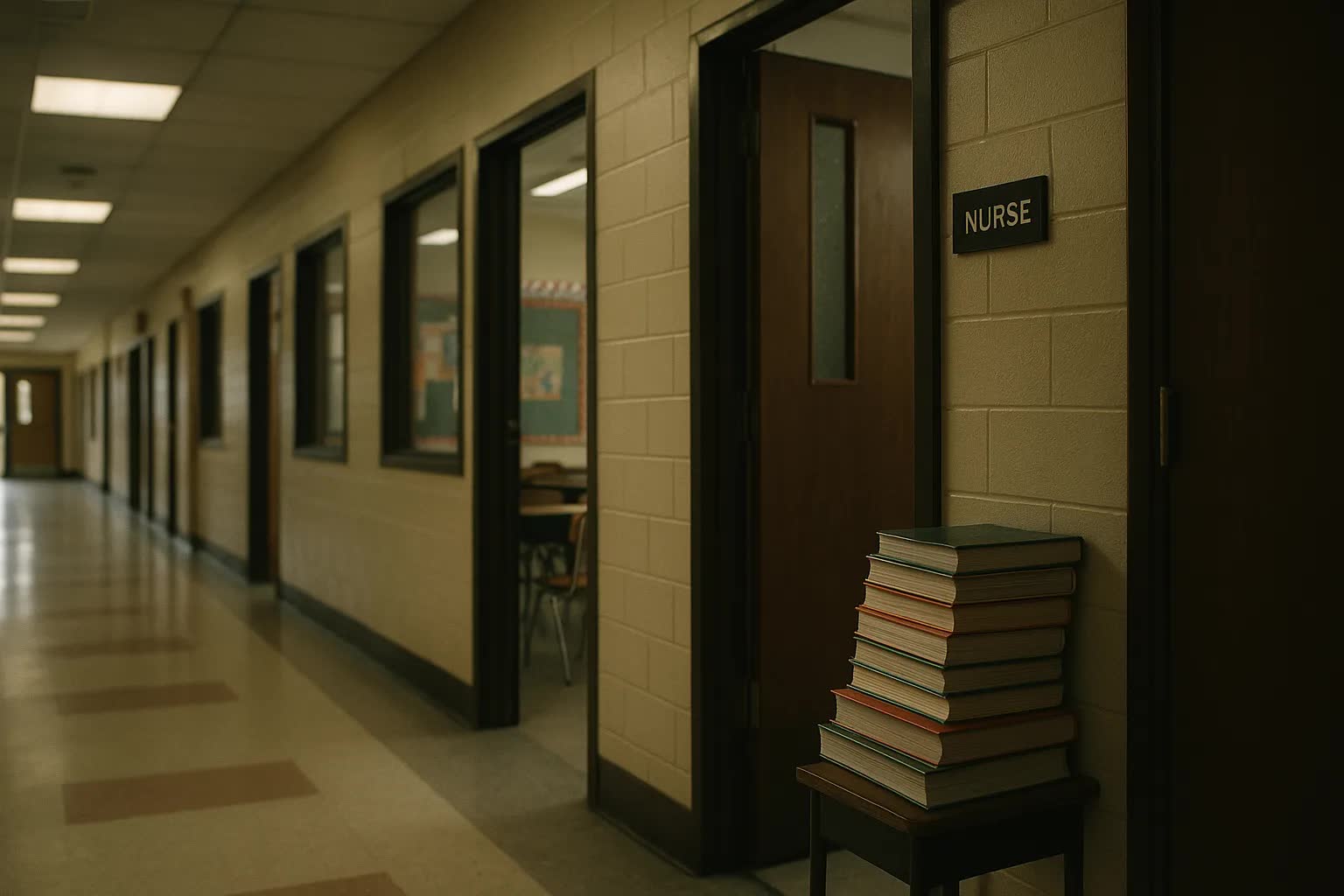
As schools across Long Island finish the fall semester, districts from Hempstead to Port Washington are racing to staff a growing number of licensed nurse and special-education teacher vacancies, raising alarms among parents in Queens neighborhoods such as Flushing and Jamaica who rely on suburban programs when city services fall short.
Administrators say the shortage has been driven by a wave of retirements, pandemic-era burnout, and a regional labor market that often favors higher-paying hospital and private-sector roles, leaving campuses without the medical and therapeutic coverage required by state law and individualized education plans.
“We are trying everything from virtual career fairs to weekend interviews, but the pipeline just isn’t keeping up with need,” said Maria Santos, superintendent of the Baldwin Union Free School District, standing outside the district office on Grand Avenue where hiring notices have plastered the bulletin board for months. “When a nurse or a special-education teacher leaves, it’s not like you can flip a switch and replace the clinical expertise they provide.”
Districts are pointing to stark figures. In a survey this month of 24 Long Island public school districts, administrators reported a combined total of 312 unfilled full-time certified school nurse positions and 428 openings for certified special-education teachers and related-service providers; 18 districts said at least one school had no full-time nurse on site, and the average caseload for special-education teachers in the region rose from 12 students in 2019 to 17 students this fall. Average starting salaries noted on job postings ranged from $48,000 to $62,000 for school nurses and $52,000 to $68,000 for special-education teachers, with some districts offering sign-on bonuses between $2,500 and $7,500.
To fill the gaps, districts have scrambled to expand recruitment: weekend hiring events in Mineola and Hicksville, partnerships with Hofstra University and Molloy College for accelerated certification pathways, and agreements with private nursing agencies to provide temporary coverage for health suites. Nassau and Suffolk county superintendents have also coordinated a rotating pool of itinerant nurses to cover short-term absences on Long Island’s east-west corridor along Route 110.
“We’re seeing nurses take on double duties, covering two schools in a day, and that’s not sustainable,” said Rosa Delgado, president of the Long Island School Nurses Association, at a meeting in Levittown last week. “When a district has to rely on agency staff who don’t know the students, continuity of care disappears and families notice immediately.”
Special-education directors told similar stories: shortages are forcing some districts to contract out services, delay IEP meetings and, in a handful of cases, place students in private out-of-district programs that cost districts far more than in-house supports. “We had to move an occupational therapy schedule so a student could get services only twice a week instead of three times,” said Dr. Aaron Patel, director of special services for the Hicksville Union Free School District. “Those incremental losses add up quickly in terms of student progress and parental trust.”
Parents say the strain is felt across household routines. Leah Kaplan, a mother of a 9-year-old with an individualized education program who lives in Great Neck, described a recent week when her son missed two sessions with a speech therapist because the district could not fill a vacancy. “We’ve been told the district is doing all it can, but my son fell behind in literacy and we were given no timeline,” Kaplan said. “It’s terrifying to depend on a system that seems stretched past breaking.”
School leaders are pushing for state-level incentives to compete with hospitals and private employers: loan forgiveness tied to three-year commitments, tuition reimbursement for certification, and a dedicated recruitment fund for high-need districts. Some local lawmakers have floated a $25 million statewide pilot program that would offer $10,000 signing bonuses to certified special-education teachers and $5,000 to school nurses who agree to work in shortage districts for at least two years. “If Albany doesn’t act, these shortages will get worse in the next budget cycle,” said a senior state education aide who requested anonymity because her office has not finalized a public proposal.
With the state budget session set to open in January, superintendents and union leaders say they will press for concrete measures while continuing local strategies, including targeted training programs out of community colleges and expanded per-diem pay for experienced retirees. Districts also plan to track outcomes closely; several have scheduled regional job fairs for late winter, and administrators said they would publish monthly vacancy updates to hold themselves accountable. For now, families and educators brace for another semester where the quality and consistency of care for vulnerable students may hinge on a few hires and the decisions Albany makes in the coming months.