Long Island Fishing Fleets Report Plummeting Herring Hauls, Threatening Small Ports
Fishermen blame changing currents and warmer waters, while regulators scramble to reassess quotas for the season.
By Leo Wang · April 2, 2026 · 4 min read
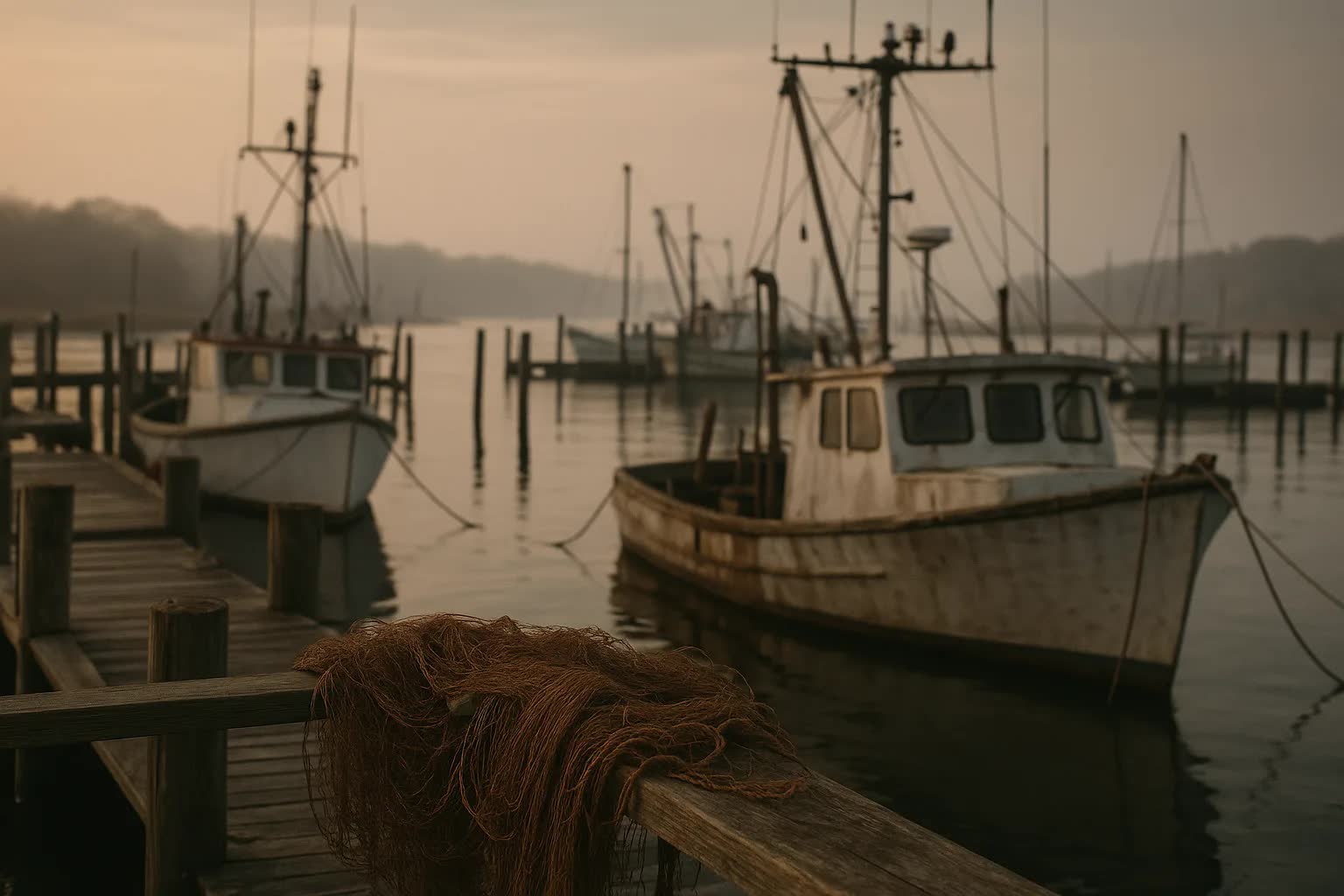
NEW YORK — Small commercial piers from Montauk to Freeport are reporting herring hauls at a fraction of what crews saw just three years ago, raising alarms at neighborhood fish markets in Hunts Point and on the Brooklyn waterfront and threatening the fragile economies of Long Island’s working ports that supply restaurants from the Lower East Side to Chelsea Market.
On a damp morning in Red Hook, Captain Marco DelVecchio, skipper of the 58-foot F/V Sea Star, hauled up empty nets where he used to bring in bales of shining herring. "We used to set long lines and fill the hold by noon," said DelVecchio, 49, a third-generation fisherman who runs out of Pier 44. "Now we’re steaming for hours and finding nothing but warm water and small fish that aren’t worth bringing back."
At the Fulton Fish Market outpost in Hunts Point, fish house managers say the decline is rippling through wholesale and retail channels. Helen Ortiz, director of the Long Island Fisheries Cooperative, said small processors that typically handle herring for both direct sale and as bait for lobster and squid boats are laying off workers. "This is not just about one species, it’s about a whole supply chain that serves restaurants and bait shops from Manhattan’s West Village to the Rockaways," Ortiz said.
The scale of the decline is stark. Regional landing reports filed with the Atlantic Fisheries Management Council show herring landings in the Long Island and southern New England ports fell by 68 percent from an estimated 26,200 metric tons in 2023 to roughly 8,400 metric tons last year; ex-vessel value in the region slid from about $12.6 million to $4.1 million. Port-specific figures filed with local harbormasters indicate Port Jefferson landings are down 72 percent, Montauk down 59 percent and Sheepshead Bay’s receipts have declined by nearly half. The number of active herring permits in the regional registry dropped from 47 to 28 over the same period.
Fishermen and local officials blame rapid changes in ocean temperature and altered current patterns that push schools away from traditional inshore grounds, but regulators have been forced to act. The Atlantic Fisheries Management Council has called an emergency session for later this month to reassess seasonal quotas and redistribution plans after an unprecedented series of low-trawl survey results. "We’re looking at the data, and we’re prepared to consider emergency adjustments to protect both the stock and the communities that depend on it," said Elena Park, regional fisheries manager at the council.
Scientists point to an unusual convergence of factors. Dr. Simon Reyes, an oceanographer at the Stony Brook Marine Institute, said a northward shift of the Gulf Stream and a prolonged nearshore warming event have altered plankton blooms that juvenile herring feed on. "When the primary food source moves, the fish follow, often beyond the reach of smaller coastal fleets," Reyes said. He added that episodic hypoxic events in shallow bays are also stressing local populations and complicating recovery forecasts.
The social consequences are immediate in neighborhoods that have long been tied to the waterfront economy. In Freeport, plant workers who clean and pack bait fish reported reduced hours and suspensions of seasonal hires; in Sheepshead Bay, fishmongers said the price for competing species has risen as restaurateurs seek substitutes. At a seafood wholesaler near Gowanus, managers said they had to reduce contracts for local catches and import more product from farther north, increasing costs for small restaurateurs in Chelsea and the East Village.
Regulatory fixes will be politically delicate. Quotas are set on a mix of scientific stock assessments and socioeconomic considerations, and any emergency reduction or reallocation of effort could push small-boat fishermen off the water just as larger offshore fleets shift their gear. Marion Kale, policy director at the New York Marine Resources Agency, said state officials are coordinating with regional councils and community groups to craft targeted relief. "We’re exploring short-term economic assistance and longer-term adaptation measures, including gear-switch incentives and monitoring programs for critical nearshore habitats," Kale said.
Local leaders are pushing for research funding and federal aid tied to workforce retention. The Montauk Harbor Association has drafted a petition for an expanded monitoring cruise this spring to map herring distribution and measure plankton concentrations, and a coalition of Long Island towns is seeking a special allocation within the next round of fisheries disaster relief. Back in Red Hook, DelVecchio and his crew are meeting weekly at a diner under the BQE over the Smith-9th Street area to compare notes and plan for a season that suddenly feels very unpredictable.
For now, fishermen and regulators are coalescing around a single question: how fast can science flush out cause, and how quickly can policy follow. The council’s emergency session, scheduled for late April in Montauk, will weigh short-term quota changes and funding proposals for expanded surveys; at the same time, university teams and state agencies are lining up research cruises and new monitoring buoys off Long Island. "We don’t have all the answers," said Ortiz, "but if we can get better, faster data and bridge that with emergency support for fishing families, we might buy the time needed for the stock and the ports to bounce back." The coming months will reveal whether that plan is enough to keep small ports afloat and maintain New York City’s once-stable link to Long Island’s herring grounds.