Long Island GOP Primary Reveals Deep Split Between Town-Level Power Brokers
A bruising county chair fight has turned into a proxy battle over patronage, development approvals and the party’s 2026 strategy.
By Maya Singh · February 16, 2026 · 4 min read
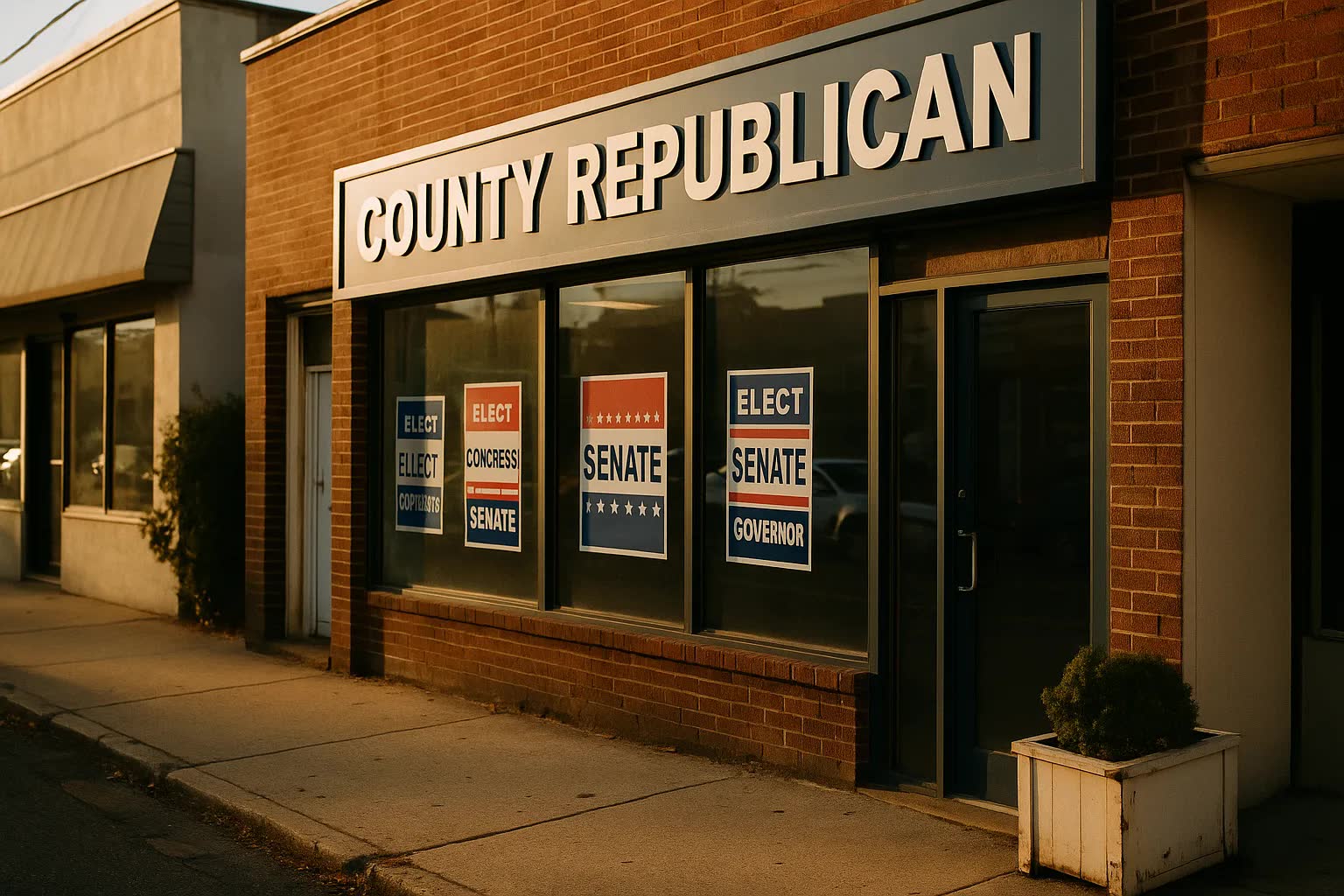
On a bitterly cold morning in Midtown, where a handful of Long Island Republican fund-raisers routinely meet lawyers and bankers between subway rides, a fight that started over who controls a county party’s patronage list has metastasized into a full-blown proxy war over development approvals and the party’s approach to 2026 elections.
The split, playing out in meetings from Mineola courtrooms to Italian restaurants on Smith Street in Brooklyn, has put town-level power brokers in Nassau and Suffolk counties at odds with each other and with a cadre of Manhattan-based donors who have grown impatient with local gatekeepers. At the center is a bruising county chair contest that insiders say has revealed competing visions for how the party hands out jobs, supports zoning boards and prepares for a potentially volatile midterm cycle.
Long Island Republicans say the stakes go beyond personality. Control of the county committee means influence over patronage appointments at municipal authorities, the county clerk’s office and the slate of candidates who get institutional backing. It also affects which development projects see a smoother path through planning boards in places such as Hempstead, Huntington Station and Patchogue, and whether Manhattan developers who buy office space on Fifth Avenue can expect faster approvals on waterfront projects they have bought on the South Shore.
“This isn’t just about who sits in the county chair’s office,” said Margot DeLuca, a veteran Nassau precinct captain and former town committee treasurer. “It’s about who gets picked to sit on boards that review rezonings, who gets the little civic grants, and who decides whether a developer from Midtown will be welcomed or bounced. Folks here remember being shut out five, seven years ago, and they’re not letting it happen quietly.”
The numbers make clear why the fight is so bitter. In the past six months the challenger slate reported raising $420,000, compared with $275,000 for the incumbent-aligned committee; 18 of Long Island’s 40 town chairs have publicly endorsed the challenger; and party records show more than 150 patronage appointments have been processed in the last two years across county authorities and municipal commissions. Turnout at county committee meetings has tripled in recent cycles, with more than 600 delegates expected to vote at the March convention—up from roughly 200 in 2018—according to multiple county sources.
Tactics have hardened as the campaign has unfolded. Both sides are dispatching veteran operatives to meet with town supervisors and planning board chairs in places such as Oyster Bay and Riverhead, and are filing challenges to credentials at the county committee level. Proxy ballots, contested delegate lists and last-minute endorsements from local civic groups have become the currency of the fight; even parking disputes outside the convention hall in Melville have been turned into political flash points, according to participants.
“Developers pay attention to who is making appointments because it short-circuits months of delays,” said Carlos Vega, senior planner at HarborView Development, which has projects pending in Bay Shore and on the Nassau waterfront. “When the county chair’s allies control the recommendation lists for planning boards and authority seats, there's a materially different timetable for approvals. That’s why Manhattan financiers have gotten involved—this is a business calculation as much as a political one.”
The rupture is already having tangible effects on local governance. At least three rezoning applications in Hempstead and one major waterfront variance in Patchogue have been postponed, party operatives say, while two municipal authorities have seen executive appointments delayed amid the uncertainty. The fissure is also reshaping endorsements for the 2026 calendar: local Republican committees are hesitating to issue unified slates in several state senate and county legislature races where the party could be competitive, fearful that nominating the wrong candidate now will deepen the split before next year’s campaigns.
Both sides say they are preparing for the county convention in late March, when the battle lines could either harden or begin to heal. The incumbent faction has pledged to emphasize organizational continuity and a disciplined get-out-the-vote program aimed at suburban swing districts, while the challenger bloc is promising a more decentralized model that gives town chairs greater say over local patronage and zoning influence. Whichever faction prevails will shape who gets the seats on municipal boards, which waterfront projects move forward and how the Long Island GOP positions itself against Democrats in 2026—making the convention not just a test of personality but a referendum on the party’s strategic future.