Long Island Opera Companies Offer Discounted Matinees to Build Audiences
Smaller Long Island opera houses are scheduling low‑cost daytime performances to attract families and retirees and grow their subscriber base.
By Omar Haddad · May 1, 2026 · 4 min read
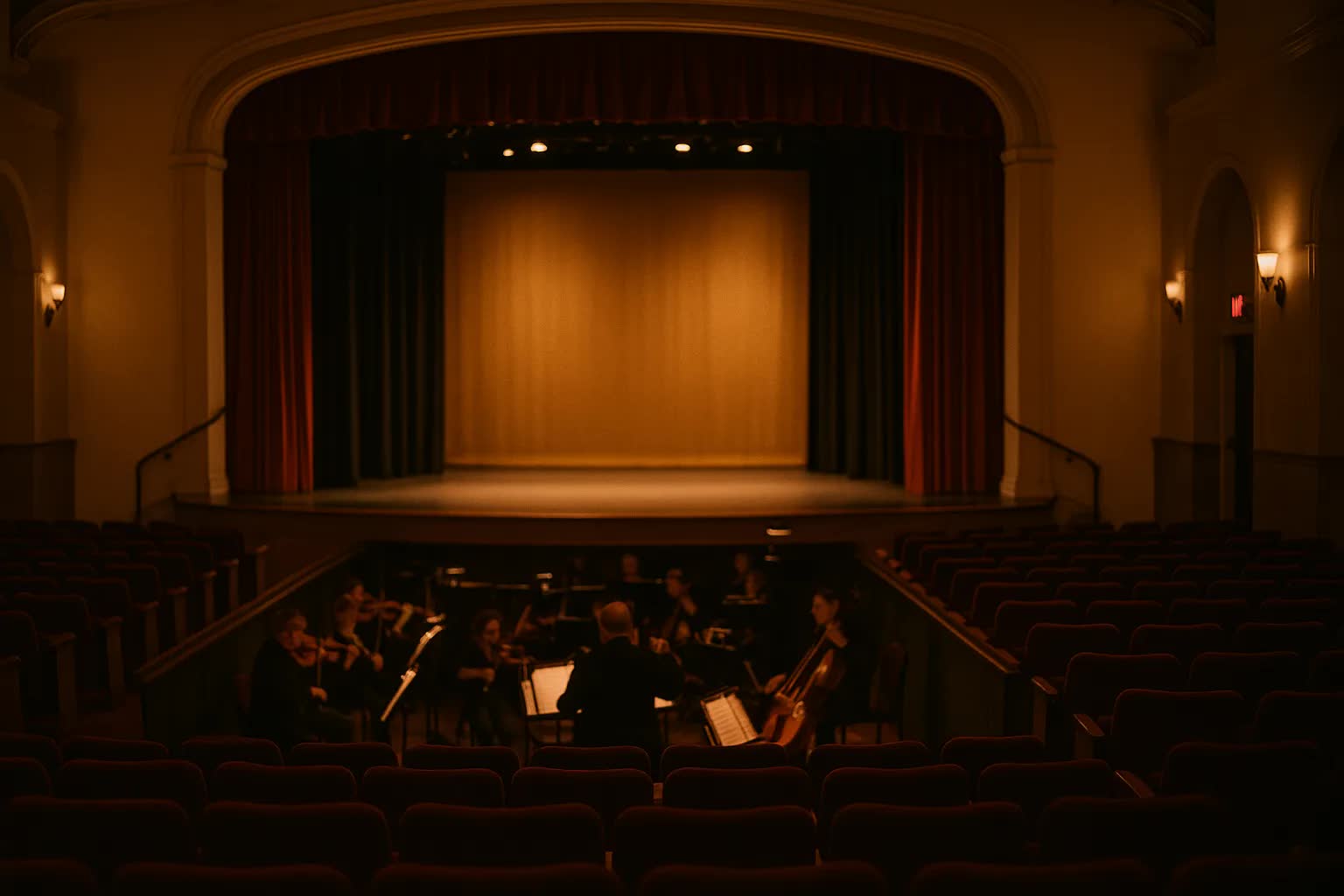
NEW YORK — For Manhattan commuters used to catching evening performances at Lincoln Center, a new weekday habit is taking hold: hopping a Long Island Rail Road train for affordable, daytime operas that fit between errands, school pick-ups and doctor appointments. Long Island’s smaller houses — from Port Jefferson to Patchogue and Glen Cove to Riverhead — are scheduling low‑cost matinees on weekday afternoons and early weekends to draw families, retirees and Midtown and Queens audiences who otherwise don’t make evening shows, an initiative intended to expand their subscriber rolls and steady dwindling box office receipts.
Long Island’s opera scene has long been dominated by a handful of midsize companies that staged most productions after dark to accommodate schedules and union contracts. But declining evening attendance, rising overhead and changing demographics have prompted a rethink. Artistic directors say matinees create an easier entry point for grandparents, young families and theatergoers coming from neighborhoods such as the Upper West Side, Astoria and Long Island City who are unwilling or unable to attend late shows, while also opening daytime slots to community and school partners.
At Harbor Light Opera, based in Port Jefferson’s refurbished Lyric Theater on Main Street, executives moved two of their three spring productions to 2 p.m. weekend matinees and a Wednesday afternoon performance. “We saw a real opportunity to meet families where they are,” said Maria Delgado, executive director of Harbor Light Opera. “A 2 p.m. curtain lets grandparents bring children after morning routines, and it gives us a less intimidating price point to convert first‑time attendees into season subscribers.” The company has redesigned lobby activities with shorter pre‑show talks, family‑friendly program notes and a concessions menu that includes soda and soft pretzels alongside wine.
The scale of the shift is tangible. Six Long Island opera companies have introduced or expanded matinee offerings this season, increasing daytime performances from 14 total last year to 38 this year. Matinee ticket prices range from $12 to $30, with an average discounted rate of $22, compared with an average evening single‑ticket price of $68; senior and student discounts lower some seats to as little as $8. Early sales figures reported by the consortium of theaters show matinee attendance up 64 percent across participating companies and a 9 percent conversion rate of matinee buyers into full‑season subscribers during pilot programs last season.
Community outreach has been central to the effort. Oyster Bay Chamber Opera partnered with the Roslyn and Garden City public school districts and local senior centers to offer bundled tickets and mini‑performances at libraries on Long Island’s North Shore. “We don’t view matinees as a lesser art form,” said Sarah Chen, Oyster Bay’s director of community engagement. “They’re an investment: workshops for third graders, relaxed‑pace shows for seniors, and a whole new audience pipeline into subscription packages. We’re building cultural habits, not just filling seats.”
Artistic adjustments have followed the programming change. Companies are trimming full‑length operas into two‑act formats, commissioning succinct adaptations of classics and designing “pocket operas” under 90 minutes tailored for younger attention spans. Port Jefferson Opera’s artistic director, Lila Kapoor, said that editorial choices have to balance fidelity to composers with accessibility. “We’ve reorchestrated some scores for smaller ensembles and tightened scenes without sacrificing dramatic arc,” Kapoor said. “Audience feedback tells us that an engaging 75‑minute show can be the gateway to a lifetime of opera.”
The financial arithmetic is complicated but promising. Matinees are often sold at a loss or break‑even point when measured against full production costs, but organizations report a strong ancillary return: concessions and donations at matinees match evening levels in many houses, and subscription conversions spike after a first low‑cost visit. One mid‑island company reported that 18 matinee attendees bought season packages during a single three‑week run, a 23 percent uplift from comparable evening-only marketing. Foundations and county arts grants have been nudging the strategy, with several funds underwriting free tickets for Title I schools and subsidizing transport for senior groups from Hempstead and Levittown.
Audience reaction has been uniformly enthusiastic in interviews and post‑show surveys. Thomas Reed, a retired public school teacher from Huntington who now splits time between an Upper West Side apartment and his childhood home on Long Island, said, “I used to drive three hours round trip for evening performances; now I can take a two‑hour train, enjoy a matinee and still get home for dinner. The price and timing make the art form part of my week instead of a special occasion.” Parents in Astoria and Williamsburg told arts workers they appreciate shorter runs and earlier curtain times that better fit nap schedules and after‑school routines.
Organizers caution that matinees are not a universal fix but a long‑term strategy to alter habit and broaden the base of support. Many companies plan to track conversion rates, donor engagement and attendance patterns through next season while experimenting with hybrid streaming for daytime audiences who cannot travel. “Our goal is a durable, diversified subscriber base that includes younger families and active retirees,” Delgado said. “If matinees help us grow the next generation of opera lovers, then the small financial trade‑offs today will pay off in audience loyalty tomorrow.”