Long Island Playhouses Schedule Public Readings to Develop New Plays
Coastal playhouses on Long Island are opening up rehearsal rooms for staged readings as part of efforts to incubate local playwrights.
By Hannah Stein · December 2, 2025 · 4 min read
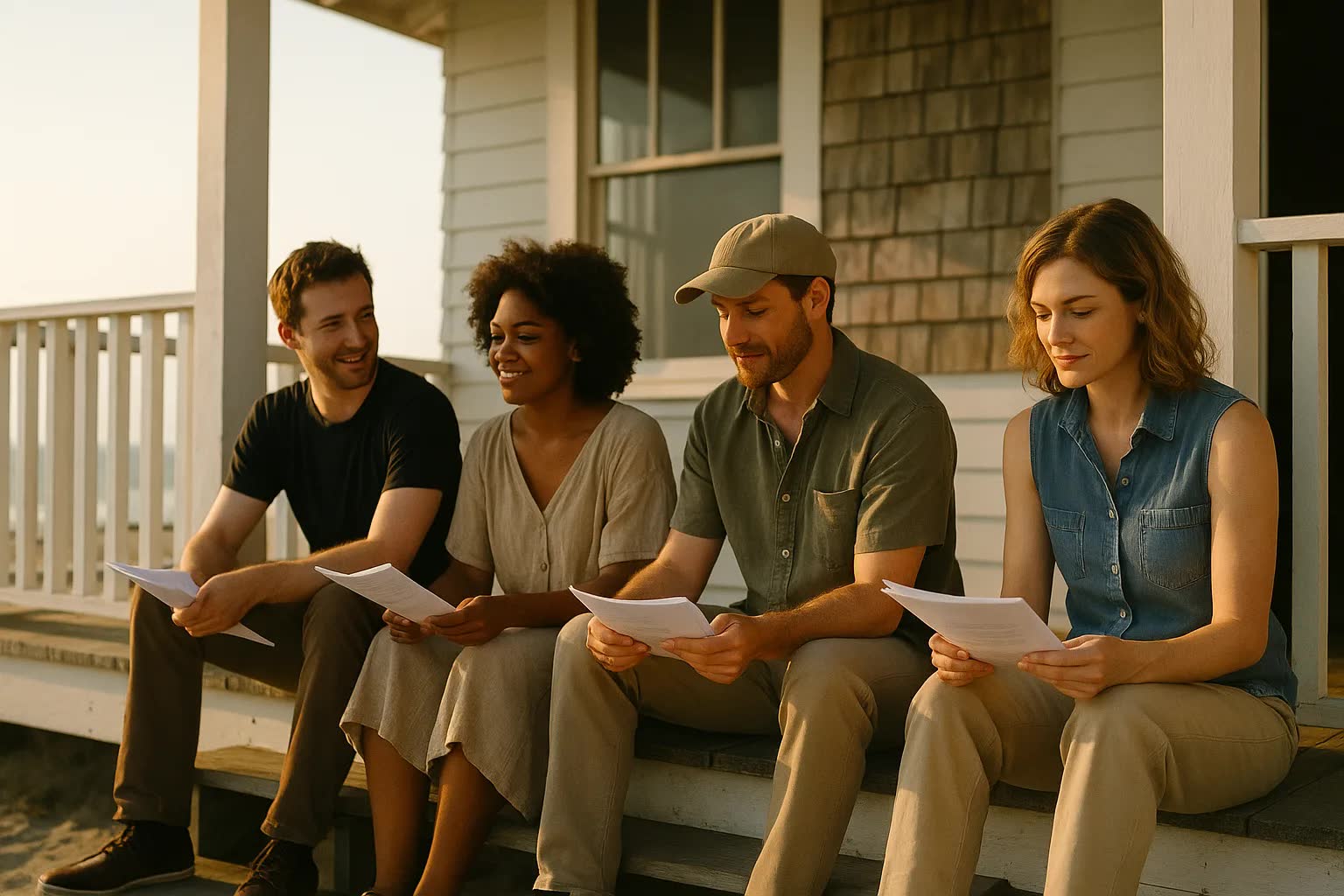
NEW YORK — On a gray, wind-swept morning at Union Square, a cluster of actors, directors and young playwrights boarded a charter bus bound for the North Fork, part of a growing pattern: Long Island playhouses are opening their rehearsal rooms to staged public readings, inviting New York City writers and audiences to cross the East River in search of quieter spaces to develop new plays.
From the renovated Harborlight Playhouse in Greenport to the Sands Point Studio on the Gold Coast, and from Patchogue Repertory on Main Street to the South Shore Lab in Bay Shore, coastal theaters are deliberately loosening the doors of their rehearsal rooms. The initiative aims to give emerging and mid-career playwrights a low-pressure setting to hear work aloud before investing in full productions, while also strengthening the cultural ties between the city and the island communities that fringe it.
“We used to keep everything in-house,” said Marisa Delgado, artistic director of Harborlight Playhouse in Greenport. “Opening our rehearsal room for staged readings has transformed how writers can iterate; it’s honest, fast feedback without the cost of a full production. And that matters to a playwright who is commuting from Williamsburg or the Lower East Side.”
Playhouse directors emphasize that the program is as much about audiences as it is about writers. Commuters from Ridgewood, Greenpoint and Long Island City have been among those attending, while local regulars — diners, teachers and high school students — fill seats at many readings. “The Long Island Rail Road has made access easier, but it’s the neighborhood energy on the other end — the baker on Bayard Street, the bookstore on Main Street — that creates an ecosystem for a new play to breathe,” said Ethan Moore, executive director of Patchogue Repertory.
Organizers point to concrete results. Between September and November, 14 coastal playhouses hosted 28 staged readings featuring work by 72 playwrights; theaters reported an average audience of 45 people per reading and an average ticket price of $12 on a sliding scale. The consortium received roughly $250,000 in seed funding this year from foundations and local government arts grants, and 60 percent of the participating writers are presenting new work for the first time in a public setting. Nearly half of the plays heard in these readings have been invited back for follow-up workshops or larger staged readings in the next 12 months.
The staged readings are intentionally spare: a table, a few chairs, scripts in hand, light cues kept to a minimum. Directors say that the rehearsal-room setting strips away production anxiety and focuses attention on the text and the actors’ choices. After most readings, a moderated talkback lasts 20 to 40 minutes, with playwrights taking notes as local audience members, fellow writers and actors offer reactions. The public nature of that feedback loop is a departure from the insular table readings that have long been the default.
Playwrights who have taken advantage of the program say the benefit goes beyond notes on dialogue. “I wrote the first draft of my play on a second-floor walk-up in the East Village,” said Anika Shah, a playwright from Sag Harbor whose new drama about caregiving was workshopped in Patchogue. “Hearing it read by professionals in a room full of people who live next to the story’s geography exposed things I couldn’t have seen. An old line that read as comedy landed as grief. That pivot changed the arc of the play.”
Local businesses are noticing the spillover. Restaurants and coffee shops near rehearsal venues in Huntington Village and Port Washington report that ticketed readings have nudged weekday traffic, and several theaters have struck partnerships with neighborhood bars to host pre- or post-show conversations. Still, theater managers warn that the model is resource-intensive: volunteer actors, modest stipends for playwrights and the cost of renting rehearsal technology mean that many of the smaller houses are reliant on ongoing grant support and a stable volunteer base.
There are practical challenges, too. Weather can make LIRR commutes unpredictable, and insurers require theaters to clear additional waivers when actors perform outside of fully staged productions. “We’re building an ecosystem, not a weekend festival,” said Dr. Lena Park, associate professor of theater at a Long Island university who is advising the consortium. “That takes time, durable funding and a patient network of venues, artists and audiences who are willing to take small risks together.”
Organizers say the program will continue through the winter and expand in spring 2026, with plans for a May playwrights’ festival that would bring a curated selection of readings to a larger mixed-venue circuit that includes a pop-up in Manhattan. Leaders are also negotiating with the LIRR for bundled fares for artists and patrons and hope to pilot a commissioning track next season that will fund full productions for two plays a year, a move they say could funnel acclaimed island works back to city stages in the years ahead.