Long Island's Sound Shore Theaters Stage a Summer Renaissance
Small seaside playhouses from Port Washington to Oyster Bay are programming experimental works to lure suburban audiences back to live performance.
By Malik Johnson · December 15, 2025 · 4 min read
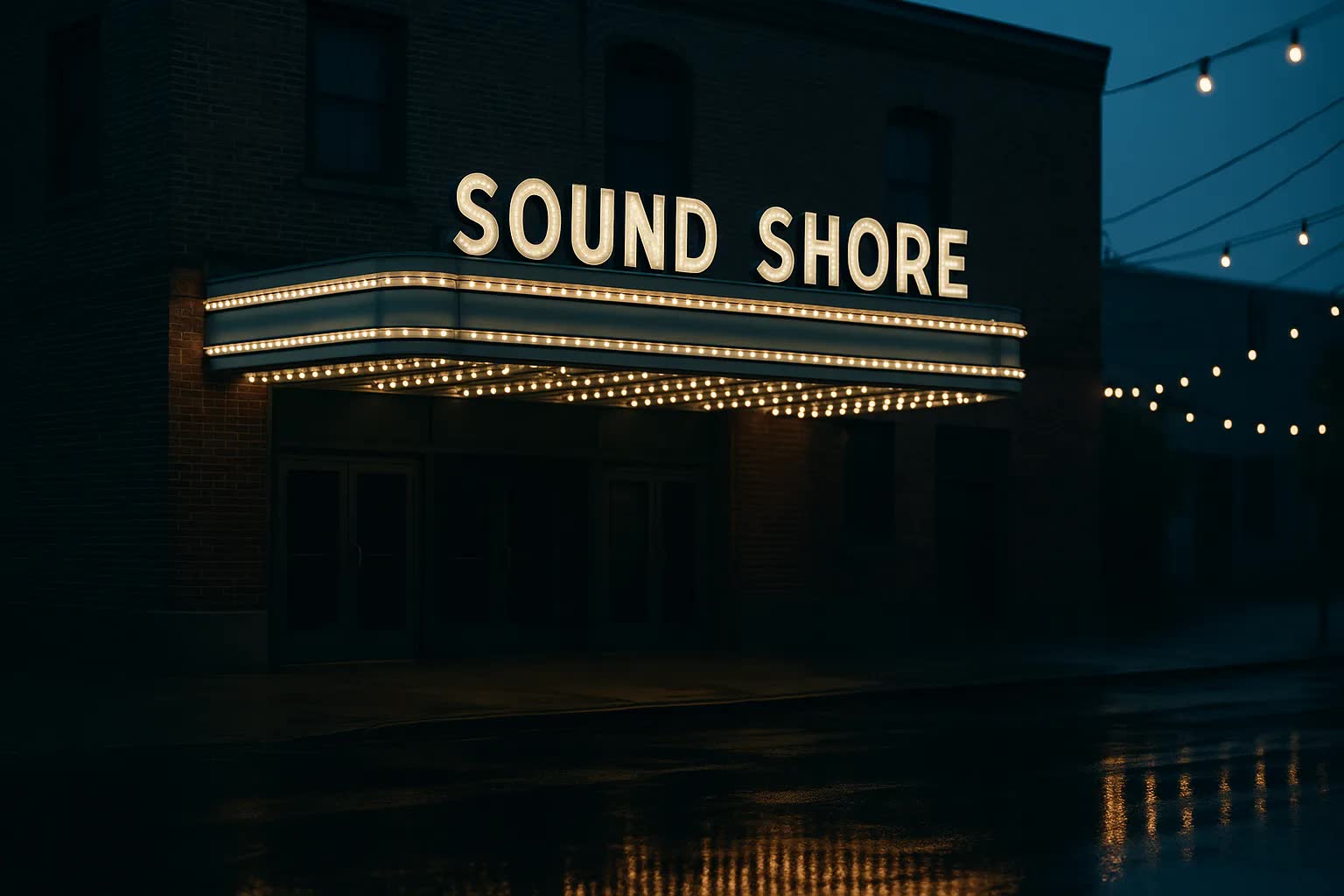
For Manhattan theatergoers stepping out of Grand Central, swapping the midtown rush for the gentler cadence of the Long Island Rail Road has become a summer ritual: a 28-minute ride on the Port Washington branch, a short cab from Penn Station or a bike trip from Astoria along Northern Boulevard, and suddenly you are in a different theatrical world. Small playhouses that hug the Sound Shore from Port Washington to Oyster Bay are mounting bold, experimental summers meant to lure suburban audiences back into live performance, and the trend is reshaping how New Yorkers and Nassau County residents think about proximity and programming.
Theaters that once staged community productions and tried-and-true comedies have pivoted. Harborlight Playhouse in Port Washington, a 72-seat restored vaudeville house on Main Street, opened its season with a site-specific promenade piece that spilled into the docks; Sandside Theater in Oyster Bay converted its former municipal library annex into a black box for immersive work; and Maple Street Repertory in Glen Cove signed a two-year partnership with a Lower East Side ensemble to co-produce new plays. Each company points to a deliberate move toward hybrid forms — dance-theater, participatory performance and short-form works designed for late-night audiences — to recapture a habit of attendance loosened by streaming and pandemic closures.
Artistic leaders here say the reimagining is not just aesthetic but logistical: they are courting audiences in Williamsburg, the Upper West Side and Flushing with curated shuttle services, late trains and partnerships with Manhattan-based collectives. "We stopped thinking of our town line as a limit and began thinking of it as a blur," said Diego Alvarez, artistic director of Harborlight Playhouse. "A patron from the Lower East Side can have dinner on Main Street and see a forty-five-minute work that breaks the fourth wall — it’s a different kind of night out, but it’s still theater." Large city companies have been slower to decentralize seasons, but the Sound Shore theaters have moved fast to capture a commuter audience.
The numbers suggest the experiment is working in modest but measurable ways. Combined summer attendance at the six principal Sound Shore venues rose 37 percent in 2025 compared with a rolling average from 2017–2019, from roughly 21,400 to 29,300 patrons; average ticket prices remained between $25 and $45, and the theaters reported total box-office receipts of $1.2 million for the season, up from $830,000 in the pre-pandemic benchmark. Resident-company payrolls grew an average of 18 percent, with 47 new contracted positions created across scenic, lighting and stage management — many filled by New York freelancers living in Astoria and Long Island City who commute out for weekend runs.
The programming itself is often unapologetically cross-genre. One notable production at Sandside combined a chamber-hip-hop score with environmental storytelling around Oyster Bay’s tidal marshes, with beats produced by a composer-in-residence who spent the winter developing samples from local field recordings. "We wanted to make sound and story that belonged to this shore," said Nia Brooks, composer-in-residence for Sandside and a longtime collaborator from Brooklyn. "The audience hears the gulls and the tide in the sub-bass; it’s not gimmickry — it’s place-making, and people respond to that in ways that a proscenium piece sometimes can’t reach."
Beyond ticket sales, the theaters are investing in audience development and infrastructure. Harborlight launched a youth lab in partnership with Port Washington High School and a residency program that offers subsidized housing for artists in converted storefronts on Neir’s Landing. Maple Street Repertory has a pay-what-you-can preview night aimed at seniors from neighboring Great Neck, and Sandside added a late-night shuttle from the Long Island Rail Road parking lot to capture post-show riders. The shift has also produced ancillary partnerships: restaurants, galleries and music venues along Main Street and Bayville Road report later dinner service and fuller summer weekends than in the last five years.
Local business owners have noticed the difference. "We used to have the summer lull where people left for the city; now they’re staying for shows,” said Marta Rios, owner of The Dockside Café in Port Washington. "A 7 p.m. show used to be quiet for us. Now we’ve added a late prix-fixe and we sell twice as many bottles of wine on show nights." Town boards and zoning committees have adapted by fast-tracking permits for outdoor performances and allowing temporary signage and lighting that would have been harder to secure a decade ago, easing the logistical burdens of site-specific work.
Challenges remain. Many venues occupy historic buildings that require expensive retrofits for accessibility, HVAC and modern rigging. Funding remains a patchwork of small foundation grants, season subscriptions and ticket revenue; union minimums for crews have pushed some hour-long experimental pieces into two-week runs rather than weeklong engagements, increasing overhead. "We’re trying to balance artistic risk with fiscal responsibility," said Eleanor Chan, executive director of the Sound Shore Cultural Fund. "Grants help, but long-term sustainability will mean better transit links and a regional marketing plan that treats the Sound Shore as an arts district, not a collection of isolated houses."
If the summer of 2025 felt like a test, theater leaders are already planning a fuller rollout. The Harborlight consortium has submitted a joint proposal to underwrite a summer festival in 2026 that would coordinate schedules, shuttle services from Manhattan neighborhoods including the Lower East Side and Brooklyn Navy Yard, and a pooled marketing fund aimed at commuters on the Port Washington branch and drivers from Queens. The real wager is whether suburban audiences who rediscovered the live night can be kept — through repeat programming, improved transit and deeper community ties — in a region where the shore now feels less like escape than a destination for theatrical experimentation.