Luxury Rentals Sit Empty in South Bronx as Leasing Slows
Developers point to market shifts and rising costs while neighbors question whether promised affordable units will ever materialize.
By Julian Alvarez · March 5, 2026 · 4 min read
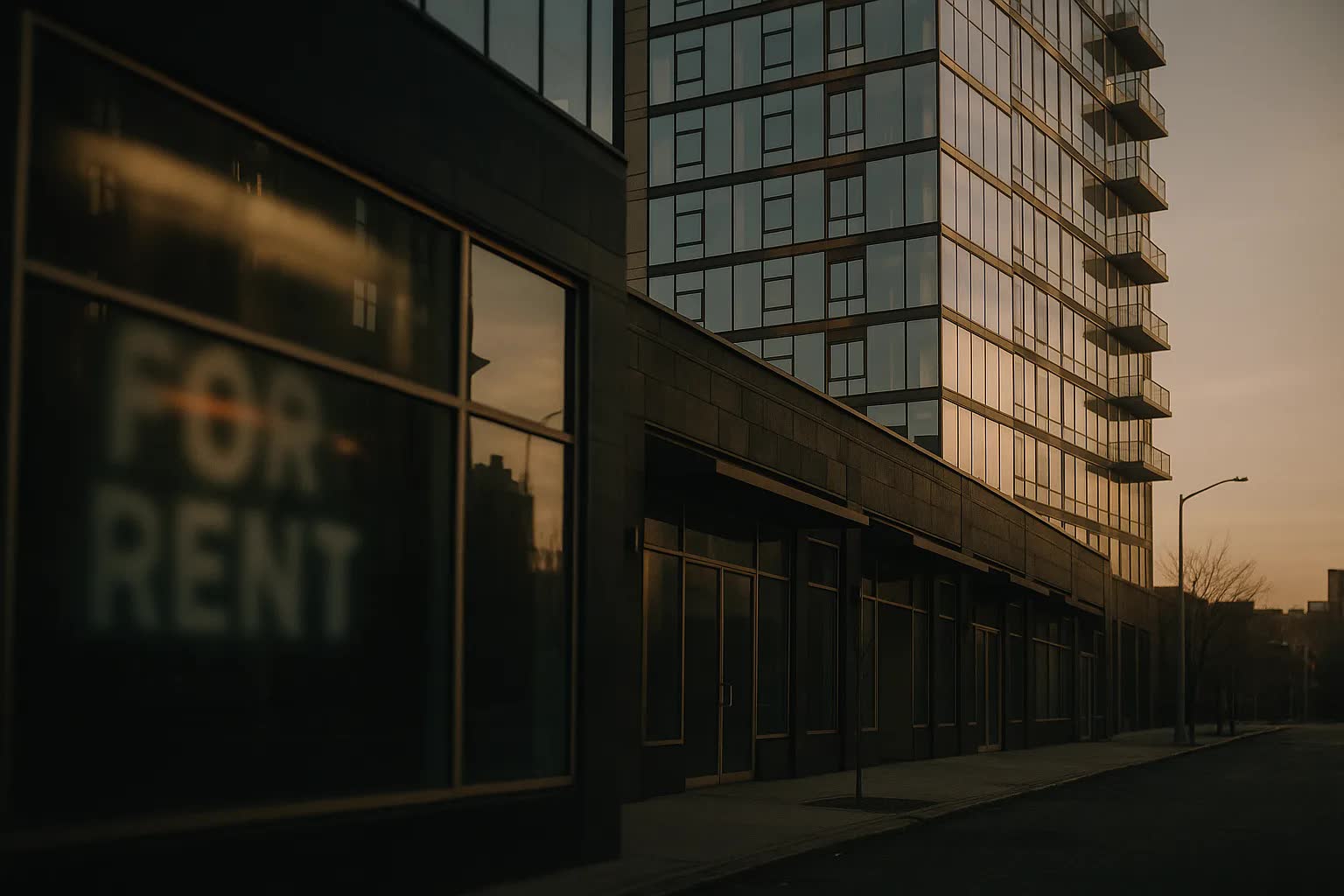
The new glass-and-brick towers that line the Bruckner Boulevard corridor and the fringes of Mott Haven are meant to signal a different South Bronx — one of high-end finishes, doormen and skyline views across the Harlem River — but many of the apartments remain dark and empty as leasing slows, raising fresh doubts about whether the neighborhood will see promised benefits such as affordable units and retail vibrancy anytime soon.
Developers and brokers describe a market reset in a part of the borough long targeted for investment, pointing to shifting demand, higher financing costs and overbuilding in luxury product. Buildings such as the 18-story Harborview at 145th and the Foundry at Mott Haven, both completed in the last two years and visible from the Major Deegan corridor, are advertising short-term concessions and pushback on previously scheduled amenity rollouts.
Ethan Park, senior acquisitions manager at Aureum Properties, which has three buildings in the area, said the company is retooling its leasing strategy. "We calibrated for a different market two years ago; the macro environment has changed and we’re adjusting pricing, concessions and lease terms to reflect that," Park said. "It’s not ideal, but a temporary softening in high-end demand doesn’t mean these projects won’t serve the neighborhood over the long run."
Community groups are skeptical. Maritza Ramos, director of Mott Haven Tenants United, said residents worry the empty towers will translate into broken promises on affordability. "They sold us community rooms and below-market apartments as part of every approval," Ramos said. "When the market shifts, those commitments are often the first things to get pushed back or cut. The community deserves a clear timetable and accountability."
Numbers compiled by a coalition of local housing advocates and lease-tracking firms show that across seven luxury rental properties in the South Bronx completed between 2023 and 2025 there are approximately 2,400 units; roughly 30 percent — about 720 units — remained unleased as of last month. Leasing velocity in that cohort has fallen by roughly 40 percent year over year, average asking rents for one-bedroom units in those complexes are advertised at about $3,100, and of 480 affordable units originally promised to the city only 120 have been delivered and occupied so far.
Developers point to a confluence of cost pressures as the main culprit: construction materials up, labor shortages persisting and interest rates that make refinancing pricier. Several projects that were planning to convert to condos or to sell to investors have paused filings and are instead offering larger concessions to prospective renters. "Lenders are scrutinizing cash flow like never before," said Sonia Patel, a senior leasing broker at Harborview Realty. "Owners would rather slow leasing and protect cap rates than push product at the wrong price and face a covenant breach."
The slowdown is reverberating on the street level. Along Third Avenue and near 138th Street, some new ground-floor commercial spaces sit dark or display temporary 'available' signs, and longtime small-business owners say foot traffic from new residents has not materialized. "We were counting on more clients from the new buildings — it’s been two years and nothing," said Carlos Medina, owner of Medina Barbershop on Third Avenue. "Rent is higher, customers aren’t here yet, and that’s a hit to everyone on the block."
Local officials and neighborhood boards are beginning to press for details. Carla Jimenez, chair of Bronx Community Board 1, said members have asked developers and city agencies for a schedule of remaining affordable completions, the status of promised community space and an explanation of tax abatement conditions. "When projects come before the board we look at a set of community benefits that were part of approvals. It’s reasonable for residents to ask when those will arrive," Jimenez said.
Policy experts warn the current lull could trigger renegotiations or compliance reviews. The city Department of Housing Preservation and Development can enforce affordable-housing commitments tied to tax incentives, and housing attorneys say some developers may seek to renegotiate terms with the city or lenders. "There are legal mechanisms to compel delivery or to claw back public subsidies if conditions are not met," said Emanuel Brooks, a housing attorney at Legal Aid Bronx. "But those processes take time, and in the interim neighborhoods face uncertainty."
Expect the debate to intensify in the coming months as city agencies, community boards and developers trade data and deadlines: several hearings are scheduled this spring, lenders will be re-evaluating loan covenants by midyear, and tenant groups are planning campaigns to press for completed affordable units and activated community space. Whether the empty luxury units will be absorbed by a recovering market, reconfigured as deeply subsidized housing or lead to broader adjustments in development plans will be one of the defining housing stories for the South Bronx in 2026.