Mayor Mamdani Signs Landmark Affordable Housing Package, Pledging 50,000 New Units by 2030
The sweeping legislation — the most ambitious housing initiative in New York City since the 1970s — combines zoning overhauls, tax incentives, and $8 billion in city-backed financing to attack a shortage that has driven rents to historic highs.
By Aspen Young · August 7, 2026 · 4 min read
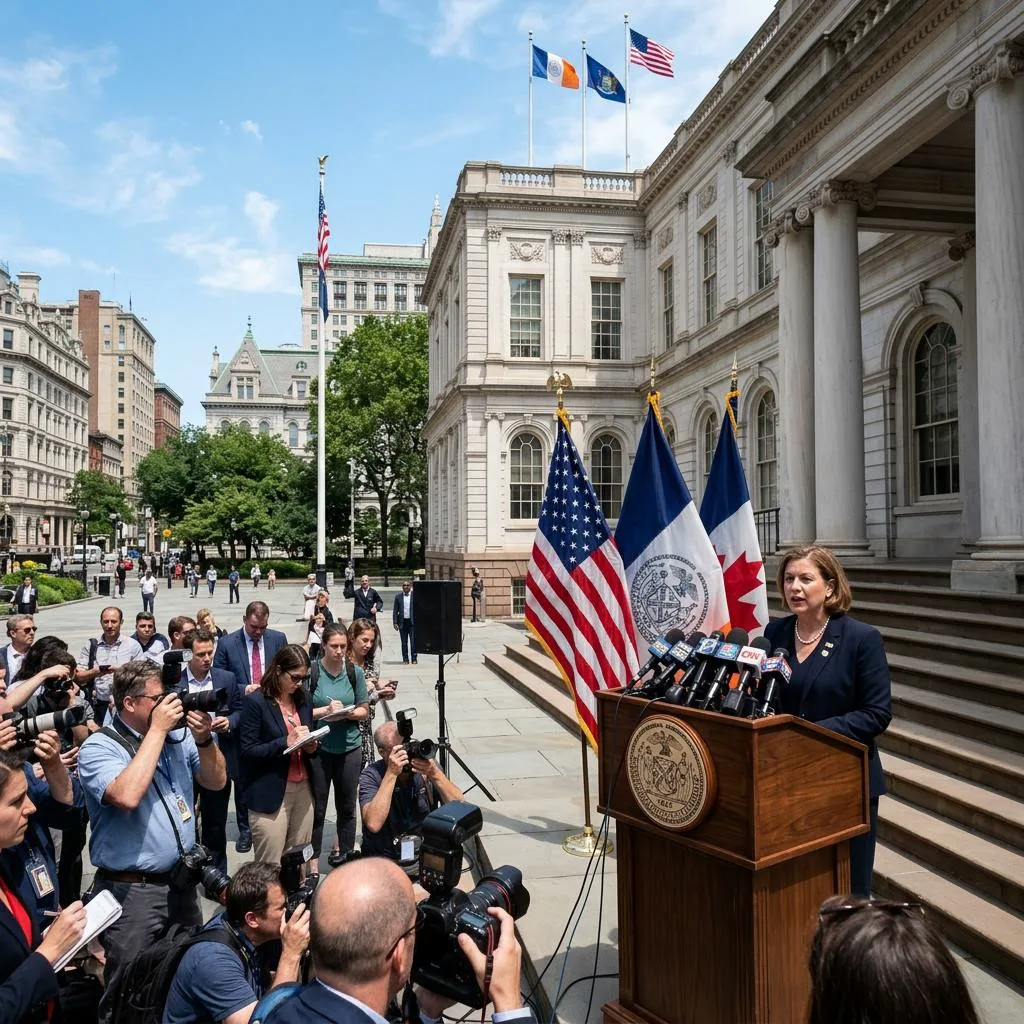
NEW YORK — Mayor Zohran Mamdani signed into law Thursday the most expansive affordable housing package the city has enacted in more than five decades, committing New York to the construction or conversion of 50,000 income-restricted units by the end of the decade. Standing in the courtyard of a newly completed affordable development in the South Bronx, Mamdani called the legislation a 'moral reckoning' with a housing crisis that has forced hundreds of thousands of New Yorkers into impossible choices between rent and basic necessities.
The package, passed by the City Council last week with a 40-to-9 vote, rests on three pillars: a sweeping rezoning of underutilized commercial corridors in all five boroughs to allow residential construction, a 25-year property tax abatement for developments reserving at least 35 percent of units for households below the area median income, and an $8 billion revolving loan fund administered by the city's Housing Development Corporation to subsidize construction costs directly.
The legislation was not without controversy. Real estate industry groups argued that the affordability mandates would depress overall construction by making projects financially unviable in certain neighborhoods, while tenant advocates contended the income thresholds for 'affordable' designation — set at 80 percent of the area median income, which translates to roughly $96,000 for a family of four — were too high to help the New Yorkers most at risk of homelessness.
City housing officials project that 18,000 of the 50,000 units will come from office-to-residential conversions, with the remaining 32,000 from ground-up construction concentrated in neighborhoods along the planned Second Avenue Subway extension into East Harlem and the Brooklyn-Queens Connector route.
Governor Hochul pledged $3 billion in complementary state financing at a joint press appearance Thursday afternoon, bringing the total public commitment to $11 billion. She called the collaboration 'what happens when the city and the state decide to stop arguing and start building.' The package is projected to generate approximately 75,000 construction jobs over the life of the program.