Mamdani Unveils Heat-Emergency Plan Ahead of Late-Summer Waves
The city will open 24-hour cooling centers, deploy mobile hydration teams, and fast-track shade and reflective-roof projects as forecasters warn of a scorching August.
By Mateo Ruiz · August 3, 2026 · 5 min read
NEW YORK — With forecasters predicting a stretch of triple-digit heat indexes over the coming weeks, Mayor Zohran Mamdani on Monday unveiled a citywide heat-emergency plan that expands round-the-clock cooling centers, dispatches mobile hydration and wellness teams to vulnerable neighborhoods, and accelerates a package of longer-term cooling infrastructure. The mayor described extreme heat as "the deadliest weather this city faces, and the quietest," noting that heat-related illness disproportionately harms elderly residents and those without home air conditioning.
The plan converts 180 existing city facilities — libraries, senior centers, and recreation centers — into designated cooling sites, with 60 of them staying open 24 hours during declared emergencies. A new text-alert system will notify residents when their neighborhood crosses a heat-index threshold, and the city's 311 line will add multilingual heat-safety operators. Officials said outreach teams would prioritize NYCHA developments and single-room-occupancy buildings, where indoor temperatures can climb dangerously even overnight.
"When the heat comes, help has to come to people, not the other way around," Mamdani said at a briefing in Lower Manhattan, standing beside emergency-management and health officials. "Nobody should die in their own apartment because they couldn't afford to turn on a machine." The administration said it would also expand a summer program that provides free or subsidized air-conditioning units to low-income seniors, aiming to distribute 15,000 units before the end of the season.
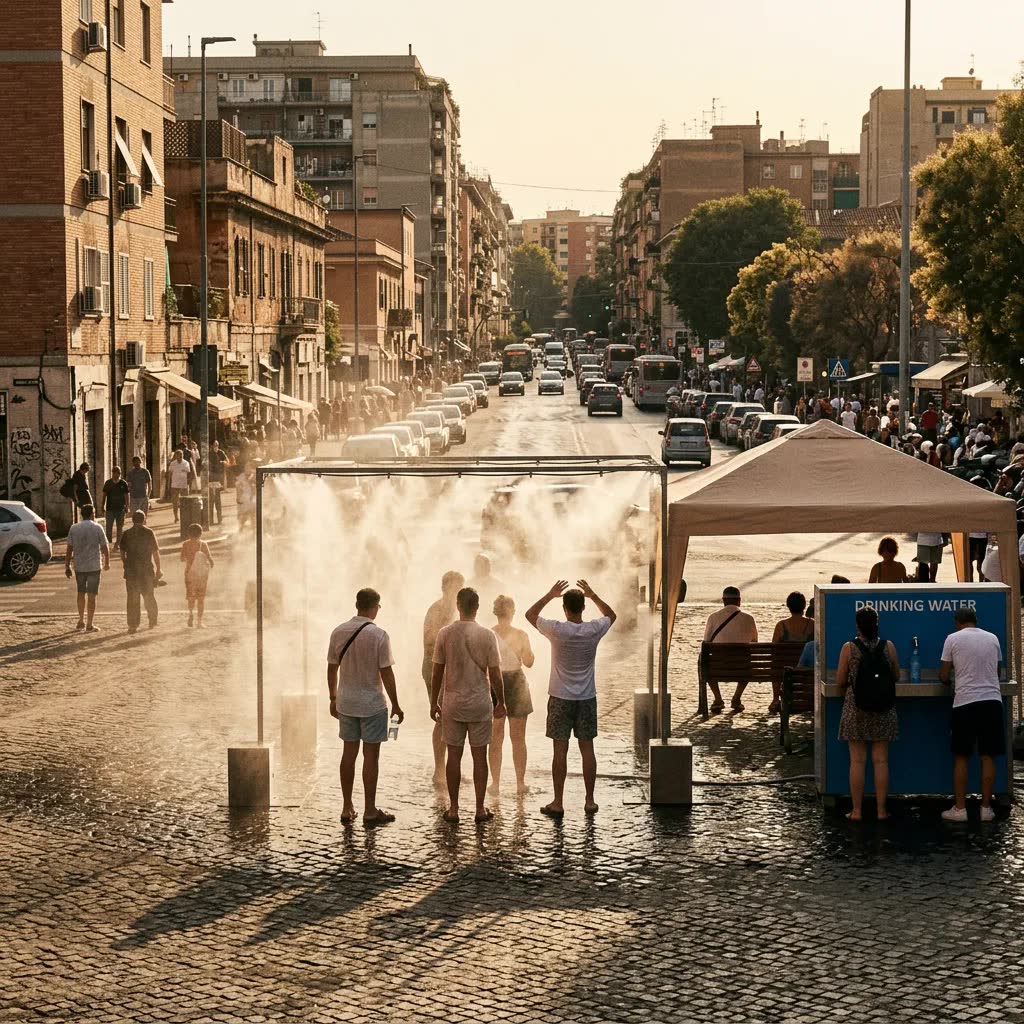
On the infrastructure side, the plan fast-tracks reflective "cool roof" coatings on 400 public buildings, plants a targeted burst of shade trees along bus corridors identified as the hottest in the city, and installs dozens of new public drinking fountains and misting stations in parks and transit plazas. City officials framed the measures as both immediate relief and a down payment on a longer resilience strategy, acknowledging that heat waves are arriving earlier and lasting longer each year.
Public-health advocates broadly praised the announcement but pressed the city to guarantee that cooling centers are genuinely accessible, citing past complaints about unclear hours and long travel distances. "A cooling center two neighborhoods away in a heat wave might as well not exist," one advocate said, urging the city to publish a live map of open sites. Utility representatives, meanwhile, warned residents to expect strain on the power grid and asked large commercial buildings to voluntarily reduce load during peak hours.
The mayor said the city would declare its first heat emergency of the summer if the index reached 100 degrees for two consecutive days, a threshold meteorologists said could be met within the week. "We are not going to wait for a tragedy to act," Mamdani said. Residents can find the nearest cooling site through the city's website or by calling 311, and officials urged New Yorkers to check on elderly neighbors during the hottest hours of the afternoon.