Manhattan Landlords Lobby Against New Tenant-Protection Bill Ahead of Council Vote
Property owners argue proposed rent-regulation tweaks would stymie investment in aging buildings, while tenant groups say the changes are overdue.
By Tarek Mahmoud · December 1, 2025 · 4 min read
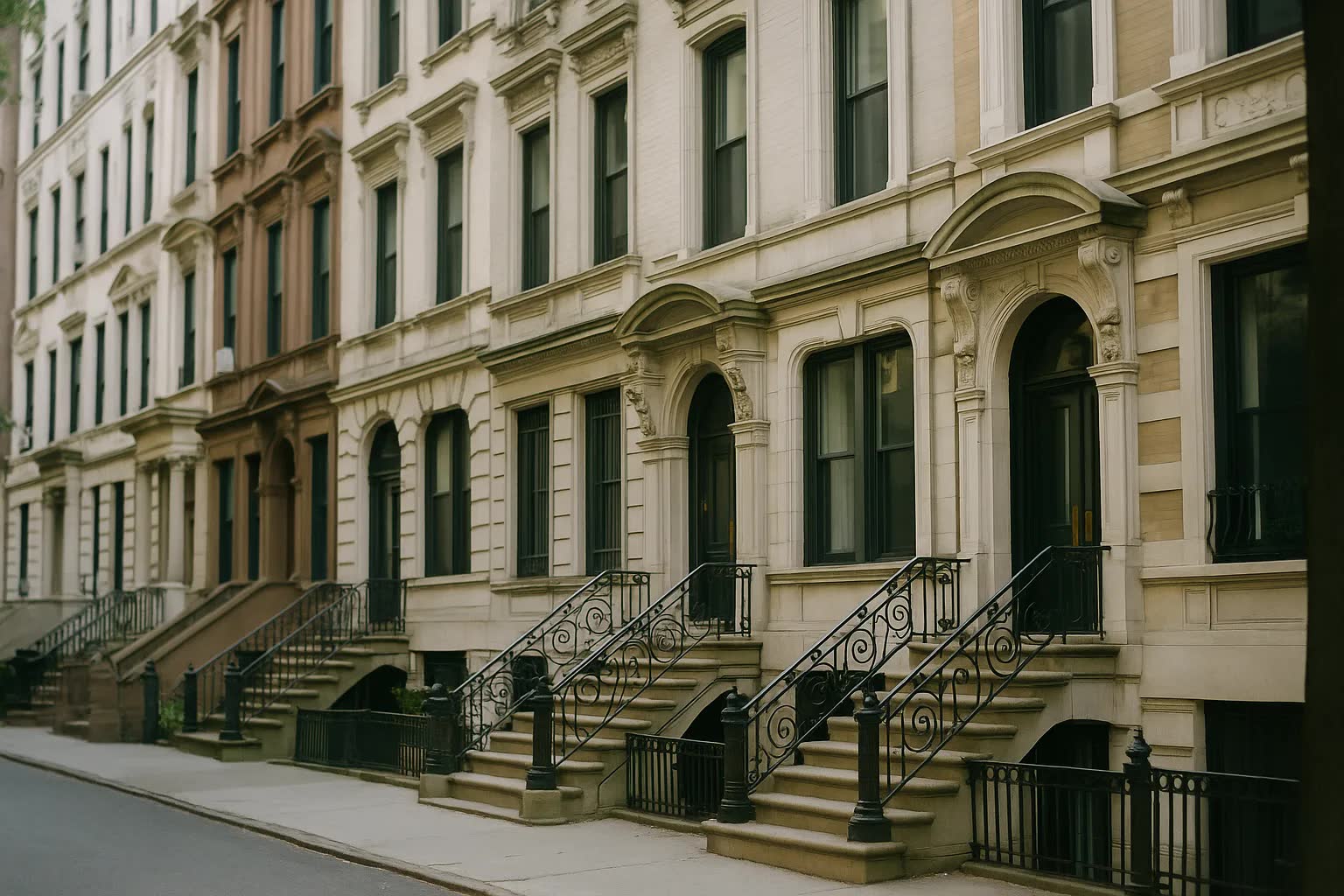
NEW YORK — Manhattan landlords have mounted a concerted lobbying campaign at City Hall this week aimed at blocking a tenant-protection bill that heads before the City Council next week, arguing that the measure will choke off investment in aging apartment buildings from the Upper West Side to Washington Heights and force long-planned repairs to be deferred.
A coalition of small property owners and larger real estate firms has held private briefings with council staff, run full-page ads in local papers and organized street-level demonstrations outside council offices near Foley Square, saying the proposal would undermine the fragile economics of mid-century walk-ups and prewar tenements. "We are not opposed to fair rules, but this bill tips the balance so far toward tenants that owners cannot keep up with the maintenance our buildings need," said Marcus Reed, president of the Manhattan Landlords Association, at a briefing Tuesday.
Tenant advocates counter that landlords have had decades of preferential treatment that allowed rent increases divorced from actual market value, and that the changes are overdue to stop displacement in neighborhoods such as East Harlem, the Lower East Side and Chelsea. "Tenants in our buildings have been living with leaking roofs and failing boilers while rents climb for new occupants; this bill finally gives renters teeth," said Lila Gomez, executive director of the East Harlem Tenant Union, who led a rally on the steps of City Hall on Monday.
At the heart of the controversy are technical tweaks to the existing rent-stabilization framework that would eliminate the so-called vacancy bonus, limit the circumstances under which landlords can increase rents following renovations, and require a clearer accounting of major capital improvement pass-throughs. Supporters say the changes close loopholes that landlords exploit to raise rents rapidly after turnover; opponents say the same provisions will make it impossible to finance larger projects such as elevator modernization or lead pipe replacement in older walk-ups on streets like Amsterdam Avenue and St. Nicholas Avenue.
The debate is numbers-driven. City Hall estimates the bill would directly alter the rent-setting rules for roughly 142,000 rent-regulated units in Manhattan — about 28 percent of the borough's rental stock — and would lower allowable vacancy-based increases to zero while capping renovation pass-throughs at 15 percent of qualifying work. Landlord groups counter with their own calculations, saying the combined effect could reduce revenue by an estimated $380 million a year for Manhattan property owners, a shortfall they say would translate to delayed repairs in an estimated 8,400 buildings more than 80 years old.
Small landlords in older neighborhoods say the proposals would hit them hardest. Danielle Mercer, CEO of Riverton Realty, which owns a dozen buildings on West 96th Street and in Hamilton Heights, said her firm would likely defer a planned exterior restoration and a conversion of several basement mechanical rooms into modern laundry facilities if the bill passes unchanged. "We want to keep tenants safe and buildings standing, but the math changes overnight if you remove our ability to recapture reasonable renovation costs," Mercer said at a press event outside a building her company manages.
Council members from Manhattan are split, and the vote has become a proxy fight over competing visions of the borough's future. Progressive council members who represent neighborhoods with a high share of rent-regulated households have rallied behind the bill, arguing it will stem the tide of renovictions in areas like the Lower East Side and Inwood. More moderate members from parts of Midtown and the Upper East Side have expressed concern that the measure, as written, could prompt unintended consequences such as a pullback in small-scale investment in buildings with deferred maintenance.
Legal analysts warn that whichever side loses the City Council vote may take the next fight into court. The Manhattan Housing Institute, an independent research group, released an analysis this week projecting that if major capital pass-through limits are tightened as proposed, litigation over takings claims and regulatory limits could follow; the institute estimated a 60 percent probability of legal challenges seeking relief for owners who argue the changes amount to an uncompensated taking. Tenant groups say such litigation is predictable but necessary to push policy that prioritizes habitability and affordability.
On the ground, tenants and landlords trade personal stories that underscore the stakes. On a rain-soaked Wednesday, residents of a six-story walk-up on East 105th Street said their landlord had told them planned boiler work would be postponed after he received briefings on the proposed law. The landlord, who requested his name be withheld, told a reporter he feared that once the rules change it would be impossible to factor the projected recovery of renovation costs into loan packages, effectively locking out capital for needed work and leaving tenants in substandard conditions.
The council is expected to take up amendments during the coming committee session before a full vote slated late next week; sponsors say they are open to changes that preserve funds for legitimate maintenance while preventing abuse. If the measure passes, it would move to the mayor's desk, and either way advocates on both sides warn the policy fight is far from over, with litigation, further amendments and political organizing likely to shape the long-term relationship between landlords and tenants across Manhattan.