Luxury Condo Sellers Trim Prices as Manhattan's High End Cools
Brokers report growing price reductions and longer listing times at the top of the market, tilting negotiating power toward well-capitalized buyers.
By Priya Nair · August 5, 2026 · 4 min read
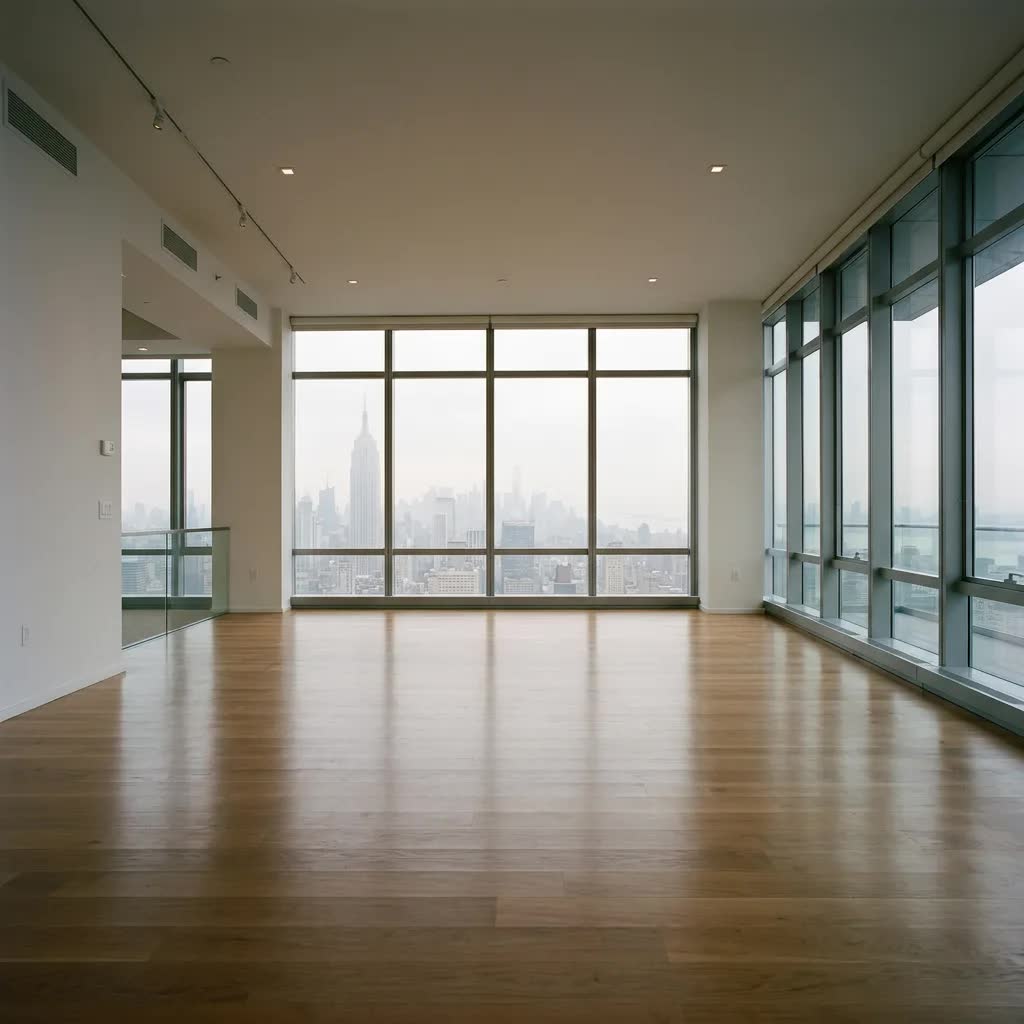
NEW YORK — Sellers at the top of Manhattan's condominium market are increasingly trimming their asking prices as high-end apartments sit on the market longer, brokers said, a shift that has tilted negotiating leverage toward the relatively small pool of buyers still active at the luxury tier. The cooling stands in contrast to the frenzied bidding that characterized parts of the market in recent years.
Brokers described a market in which ambitiously priced listings, particularly newly built units in glassy towers, have struggled to attract offers, prompting sellers to cut prices or offer concessions to close deals. "Buyers at this level are patient, and they smell hesitation," one luxury broker said. "The days of naming a number and waiting for a bidding war are, for now, over." She said well-prepared buyers were extracting meaningful discounts off initial asking prices.
Several factors have combined to soften demand, brokers said, including higher financing costs that affect even affluent buyers, a large inventory of new luxury units competing for the same shoppers, and caution among some international buyers navigating currency swings and their own domestic conditions. The result, they said, is a market where supply at the top end outpaces the number of ready, willing buyers.
Not all segments are cooling equally. Brokers said the most exceptional properties, those with unique layouts, prime locations, or trophy status, continue to command strong interest, while more ordinary luxury units face the stiffest competition and the steepest cuts. That divergence mirrors patterns seen elsewhere in real estate, where quality and rarity insulate the very best assets from broader weakness.
The softening at the high end carries implications beyond the buyers and sellers directly involved, given the outsized role luxury transactions play in the city's transfer-tax revenue and in the fortunes of developers who financed new towers on the expectation of premium prices. Analysts said a prolonged cooldown could pressure some developers to adjust plans, though they cautioned that the luxury market has historically been prone to sharp but temporary swings that later reverse.