Manhattan's Luxury Market Surges to a Five-Year High, With 312 Sales Above $10 Million in the First Half of 2026
Billionaire Row is filling up again, international buyers are back in force, and the median price per square foot at the top of the market has topped $4,000 for the first time — a luxury sector showing no sign of cooling despite historically high interest rates.
By Alex Moses · August 10, 2026 · 4 min read
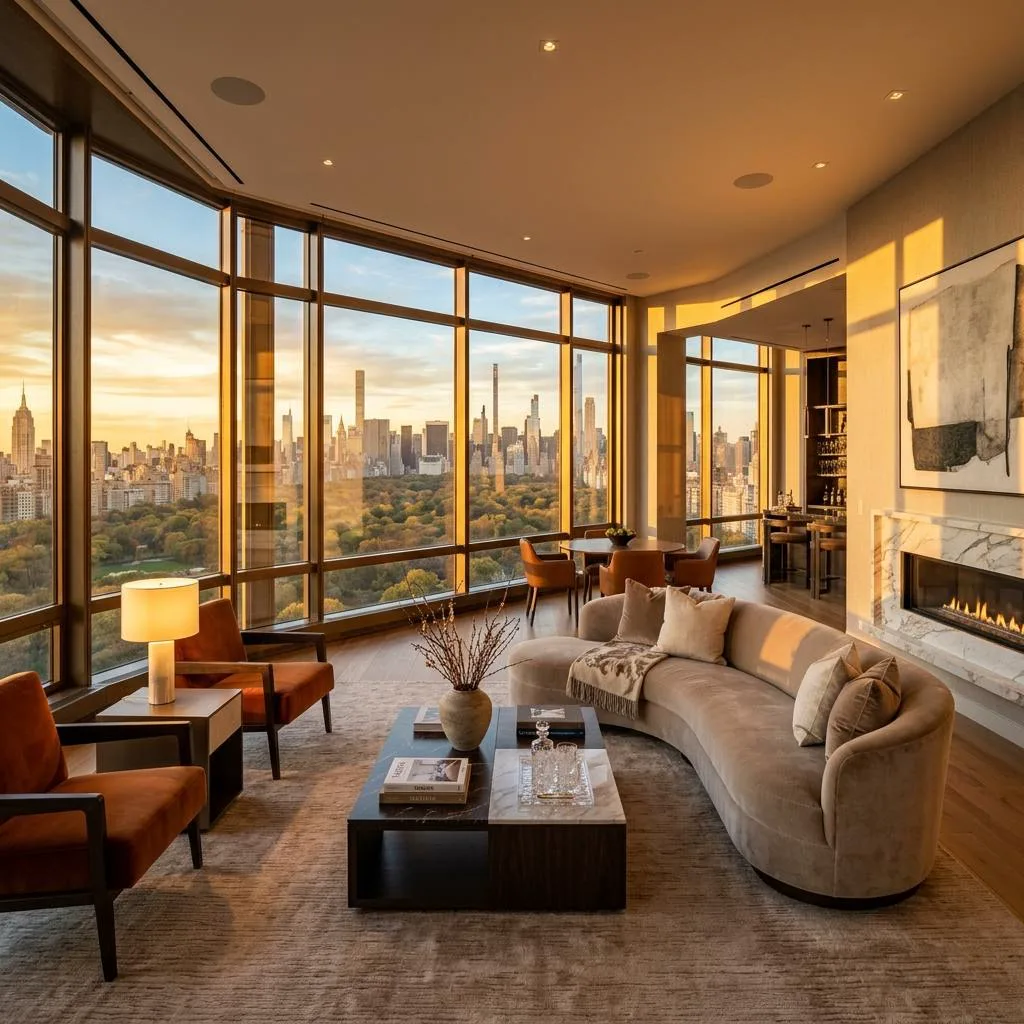
NEW YORK — Manhattan recorded 312 residential sales above $10 million in the first six months of 2026, the highest first-half figure since 2019 and a 38 percent increase over the same period last year, according to data compiled by Douglas Elliman and Miller Samuel. The surge has been concentrated at the extreme upper end: sales above $25 million accounted for 41 of the total, and three transactions — all on the 57th Street corridor known as Billionaire Row — exceeded $70 million.
Brokers and analysts point to three converging forces behind the rebound. First, a wave of international buyers from the Gulf states, India, and Southeast Asia has returned to New York after years of reduced activity. Second, the America 250 celebrations have elevated New York's global profile, drawing high-net-worth visitors who brokers say often begin purchase conversations during extended stays for cultural events. Third, the supply of truly exceptional properties remains structurally constrained, and constrained supply at the luxury level tends to support prices regardless of broader interest rate conditions.
The median price per square foot for Manhattan apartments above $10 million crossed $4,000 in the second quarter for the first time on record, according to Miller Samuel's data. At 432 Park Avenue, a resale closed in May at $4,850 per square foot — above the building's original offering prices from a decade ago. At 111 West 57th Street, a full-floor apartment listed at $66 million went under contract within three weeks of hitting the market.
The luxury surge stands in notable contrast to conditions further down the market. Apartments priced between $1 million and $3 million have seen sales volumes flat or declining, squeezed by mortgage rates that remain above 6.5 percent. The bifurcation reflects a pattern economists have identified across multiple consumer markets: cash buyers at the top, constrained buyers everywhere else. 'What we are seeing in Manhattan luxury is essentially a different economy operating according to different rules,' said Jonathan Miller, president of Miller Samuel. 'The people buying these apartments are not rate-sensitive. They are buying with liquidity.'
Looking ahead, the pipeline of new ultra-luxury inventory is thinner than during the 2014-to-2019 supertall building boom. A planned 90-story residential tower at 270 Greenwich Street, approved by the city last year, would deliver approximately 60 ultra-luxury units beginning in 2029 — the largest new luxury offering since 111 West 57th Street — but for now, the shortage of trophy inventory is the defining feature of a market with more buyer demand than product to absorb it.