Manhattan Office Market Shows Signs of Life as Leasing Picks Up
New leasing activity in Midtown and the Far West Side lifted quarterly figures, but a stubborn glut of older space keeps overall vacancy elevated.
By Leo Wang · July 9, 2026 · 5 min read
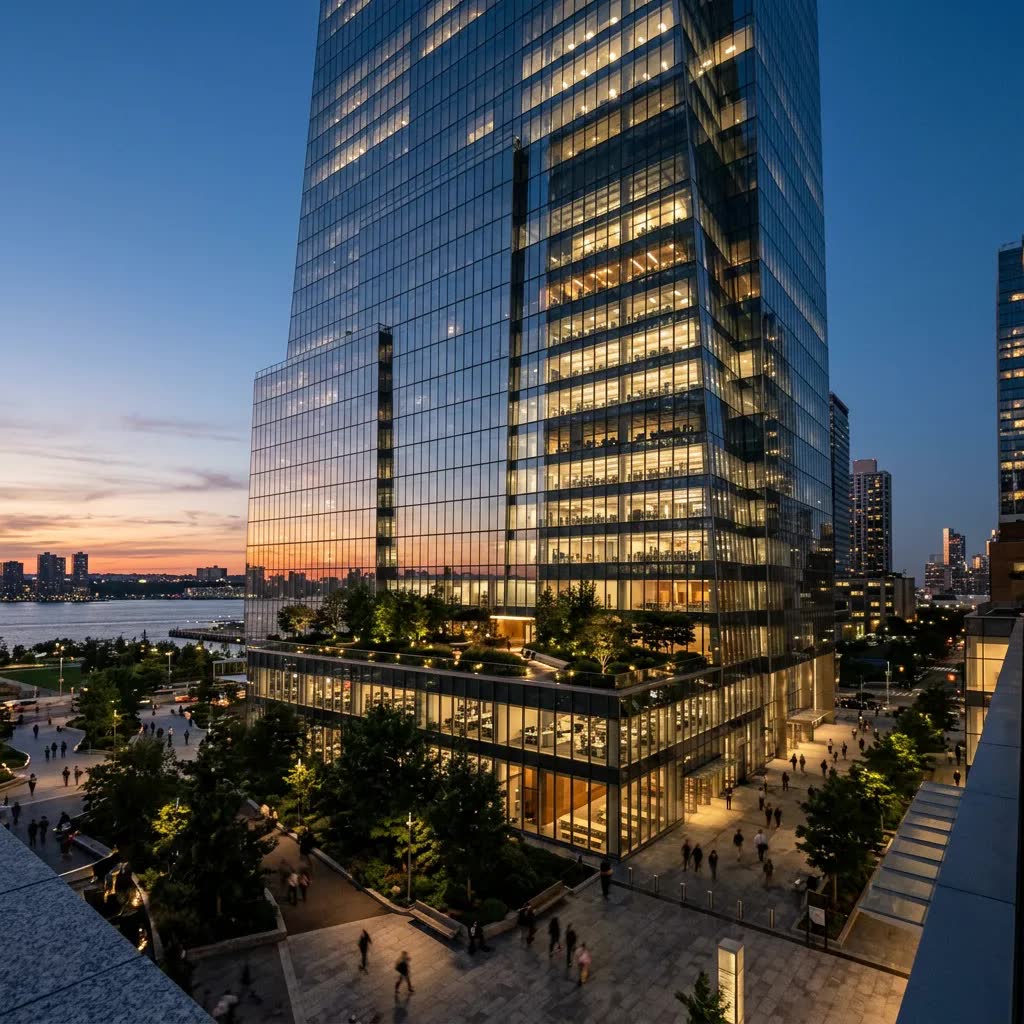
NEW YORK — Manhattan's battered office market showed tentative signs of recovery in the second quarter, with brokers reporting a pickup in leasing activity concentrated in newer, amenity-rich towers even as older buildings continued to struggle to fill space. The uptick, while modest, marked one of the more encouraging stretches for commercial landlords since the shift to hybrid work reshaped demand across the city's central business districts.
Leasing brokers described a widening gulf between the market's winners and losers. Trophy towers with modern layouts, outdoor terraces, and easy transit access have attracted tenants willing to pay premium rents, while older, less flexible buildings have languished with rising vacancies and falling rents. "Tenants are trading up," one commercial broker said. "They are willing to pay for quality, and they are leaving behind the buildings that cannot deliver it." That flight to quality, brokers said, has masked deeper weakness in the aggregate figures.
Overall availability across Manhattan remained well above pre-pandemic norms, weighed down by a large inventory of aging space that many observers now consider functionally obsolete. Some of those buildings are candidates for the residential conversions that state and city officials have moved to encourage, but the pipeline of such projects remains modest relative to the scale of the surplus. Analysts said meaningfully reducing the glut would take years.
Landlords of newer properties expressed cautious optimism, citing a steady stream of renewals and expansions from finance, law, and technology firms that have settled into hybrid schedules and now want space that draws employees back to the office. Concessions such as free rent and generous build-out allowances remained common, brokers noted, meaning that headline rents overstated what landlords were actually collecting.
The health of the office market carries broad implications for the city's finances, given commercial property's outsized contribution to the tax base. A prolonged slump in older-building values could pressure municipal revenue, while a revival in leasing and conversions could ease that strain. Officials said they were watching assessment trends closely as they plan future budgets.
For now, brokers characterized the recovery as real but fragile and highly uneven. "The good buildings are doing fine, and the rest are in a fight for survival," one said. "Calling this a rebound depends entirely on which part of the market you are standing in." Most expected the divergence between premium and commodity space to widen further before it narrows.