Manhattan Restaurants Test Dynamic Pricing to Weather Wage Shock
A handful of high-volume eateries are piloting time-based menus and variable reservation rates to offset rising labor and supply costs.
By Mei Lin · April 21, 2026 · 4 min read
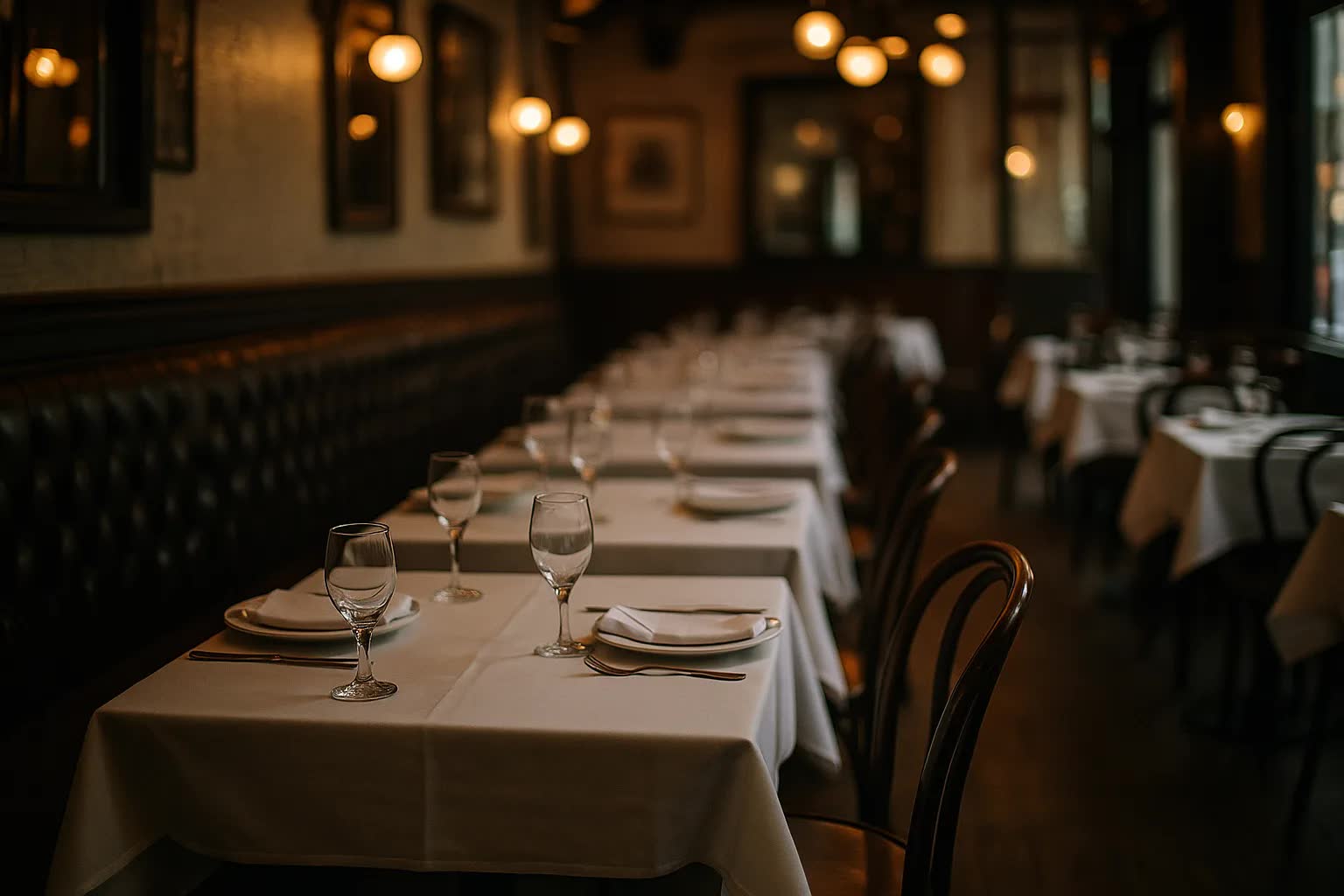
Manhattan restaurants from Hell’s Kitchen to the Lower East Side are quietly experimenting with dynamic pricing — time-based menus, variable reservation fees and off-peak discounts — as owners scramble to blunt what they call a “wage shock” that has pushed labor and supply costs to levels many say are unsustainable.
At Hudson & Pine, a 120-seat bistro on Ninth Avenue near 48th Street, owner Marco Alvarez said the restaurant raised prices 12 to 18 percent during weekday dinner peaks and introduced a $15 priority-reservation fee for Friday and Saturday nights to protect margins without cutting staff. "We could either shrink the crew, or ask customers who want the best table at 8 p.m. to pay a little more," said Alvarez, who noted the restaurant retained its full back-of-house team while piloting the policy in late March.
Two blocks away in Hell’s Kitchen, Riverside Oyster Bar is running the opposite experiment: steep mid-afternoon discounts to lure pre-theater crowds and office workers returning to town. General manager Simone Park said the 3 p.m. to 5 p.m. “return-to-office” menu is priced 20 percent below dinner, while peak hours carry a modest upcharge. "We’ve seen a new kind of volume that doesn’t cannibalize dinner and keeps our line cooks working,” Park said.
The pilots rely on software platforms that automatically adjust menu items and reservation availability based on demand forecasts. SeatWise, a start-up based in Garment District, uses historical covers, transit schedules and nearby event feeds to recommend pricing windows. "Dynamic pricing isn’t about gouging, it’s about allocating scarce service during high-demand periods and smoothing labor utilization," said Jonas Prieto, chief executive of SeatWise, whose system is in use at five Manhattan pilots.
Early results from the pilots offer concrete numbers. Across seven restaurants participating in a city-facilitated trial, average revenue per cover rose 8.3 percent during peak windows while overall daily covers were flat; average checks increased by 6 percent on nights with reservation fees. Off-peak discount windows boosted covers by 14 percent in the afternoon. Participating owners reported a median 11.5 percent rise in labor hours billed to covers per week, offsetting a reported 12 percent climb in hourly labor costs over the past 18 months and an 18 percent jump in wholesale produce and protein prices since early 2024.
The experiments have drawn mixed reviews from staff and diners. Front-of-house workers question how variable fees will affect tips and job predictability, while some diners complain that pricing complexity makes it harder to plan an evening out. "When a table costs $20 more because you want to sit by the window, that’s jarring for regulars," said Ana Rivera, a senior server at Riverside Oyster Bar who has worked on Ninth Avenue for seven years. "We need clear signage and consistent tip policies so servers aren’t penalized."
Consumer advocates and labor groups say transparency is essential. The New Manhattan Consumer Collective, a city-wide watchdog, has demanded plain-language signage on reservation platforms and menus; labor organizers want any online reservation fees pooled into tip distributions rather than treated as separate revenue. A senior city dining official who requested anonymity said the Department of Consumer Affairs is monitoring complaints and could issue guidance clarifying disclosure standards and tip-handling rules within months.
Economists say the shift reflects broader changes in urban demand patterns. "As offices and cultural venues reopen intermittently and tourist flows fluctuate, restaurants face volatile peak times that wild-card staffing decisions can’t manage alone," said Dr. Leila Chen, a food economist at the Gotham Institute. "Dynamic pricing can be a tool to smooth demand and protect jobs, but its effectiveness depends on consumer acceptance and regulatory guardrails."
Neighborhood dynamics matter. In Midtown, near Bryant Park and the Port Authority, restaurants see brief but intense lunch spikes tied to office commuters and bus arrivals, making reservation surcharges more palatable to business diners. In the East Village and Lower East Side, where walk-in traffic is driven by nightlife and local residents, off-peak discounts have been more successful, according to owners in those corridors. In Chelsea Market and Hudson Yards, pilot restaurants are coordinating with nearby venues and transit schedules, even offering bundled discounts timed to evening events at the Javits Center and nearby theaters.
For now the pilots are small and voluntary, and restaurateurs say they need time to gather customer feedback, legal counsel and union input before scaling. Several owners said they would reassess after a full quarter, and some suggested the city could help by standardizing disclosure practices and convening mediations between owners and worker representatives. If the trials succeed, dynamic pricing could become another fixture of Manhattan dining — a tool to protect payrolls while changing the way New Yorkers decide when and where to eat.