Manhattan Theaters Add Contactless Ticketing and Deepfake Detection to Fight Fraud
Venues are combining secure mobile passes with AI tools that flag doctored promotional content and protect seasonal ticket packages.
By Isabella Morales · March 9, 2026 · 5 min read
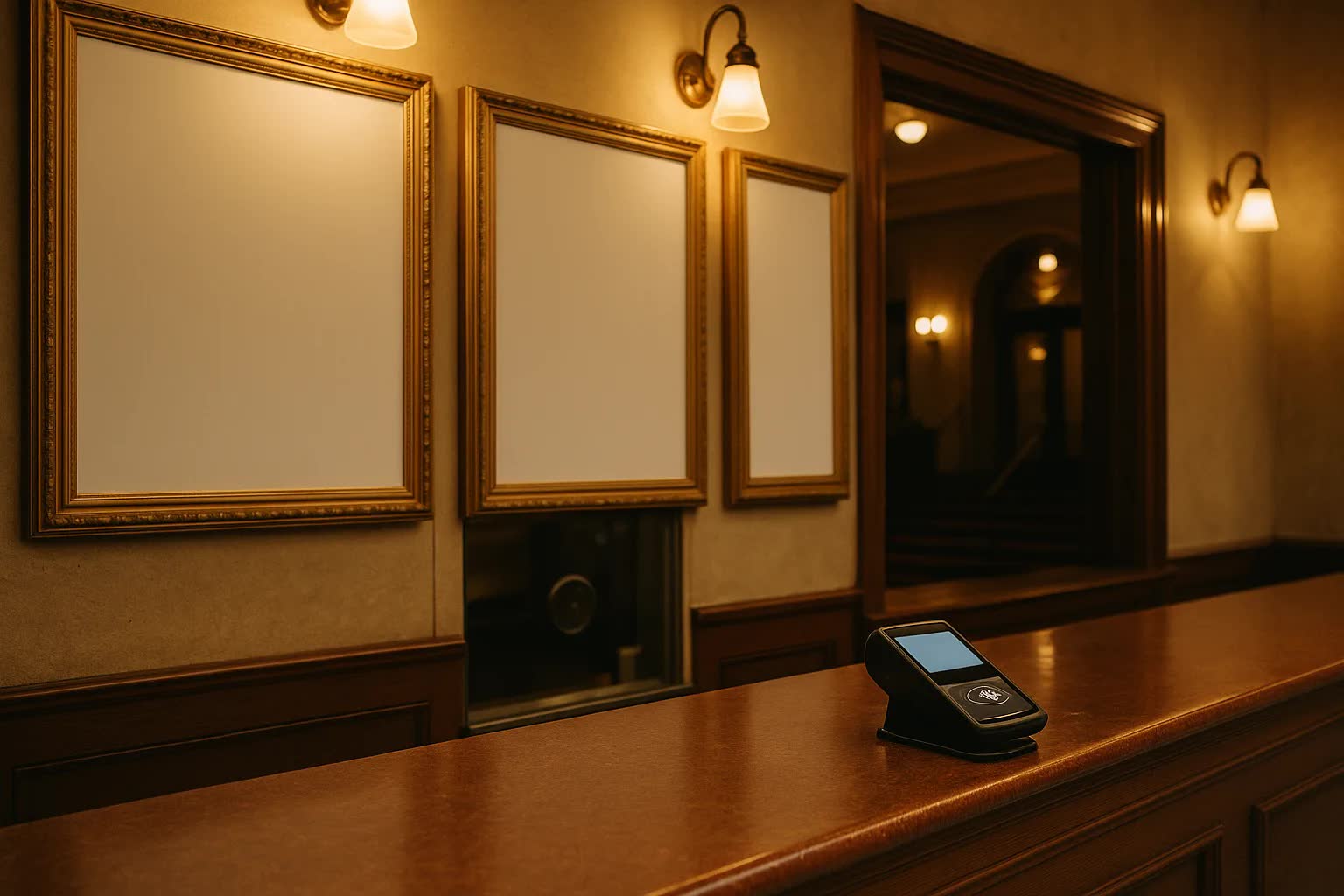
As Manhattan's theater season heats up, venues from Times Square houses to Off-Broadway rooms in the East Village are rolling out a two-pronged defense against an escalating wave of ticket fraud: contactless mobile passes and artificial intelligence that flags doctored promotional content. The push comes after holiday-package scams and counterfeit season subscriptions left subscribers locked out of performances and box offices scrambling to refund thousands of dollars. Theater managers say the new systems are intended to protect not only the bottom line but also neighborhood audiences who rely on accurate, affordable access to live culture.
The new mobile passes replace paper tickets with cryptographically signed QR codes and near-field communication tokens that expire upon scanning, a design intended to make screenshots and duplicate prints useless. Venues are working with a handful of startup vendors, including a Manhattan-based firm called VeriStage and a consortium led by the nonprofit StageSafe Alliance, to build a shared back end so smaller companies can tap enterprise-grade security without steep investment. "We needed something that stops fraud at the gate but doesn't add friction for patrons," said Nora Kaplan, executive director of Manhattan Theatre Alliance, which runs three houses on 42nd Street and in Hell's Kitchen. "This lets us focus on the art rather than policing tickets."
Complementing the passes are AI tools trained to detect manipulated media in promotional materials and actor appearances. The software scans images, video clips and voice tracks for anomalies — inconsistent lighting, warped audio fingerprints, digital splices — and cross-references them with verified assets maintained in a secure registry. When a flagged item appears on social media or in email marketing, a human moderator at the venue reviews it and alerts platforms or issues takedown notices. "We're not trying to police creativity," said Marco Alvarez, chief technology officer at VeriStage. "We want to make sure patrons are not misled by deepfakes that imitate cast members or falsely advertise shows that aren't sanctioned by a theater."
The systems are being adapted to handle complicated seasonal packages that often drive a bulk of a theater's revenue: subscriber bundles, student rush passes and pay-what-you-can nights. At Lincoln Square Playhouse on the Upper West Side, box office staff now assign dynamic seat allotments tied to tokenized mobile passes that can be reissued only through the theater's app or a designated phone number, a change that managers say has reduced unauthorized resale. "We had a package last winter where duplicate tickets were being sold across third-party apps within minutes of release," said Evelyn Cho, general manager of Lincoln Square Playhouse. "This gives our subscribers confidence that their seats won't vanish two weeks before opening night."
The early numbers from the rollout suggest a sharp decline in some forms of fraud. Since the first wave of deployments in November, 56 Manhattan venues have installed contactless pass systems and 42 have activated deepfake scanning for promotional content. Fraudulent entry attempts flagged at entry points fell by 72 percent, while reported cases of counterfeit season-ticket transfers dropped 85 percent, according to aggregated figures shared by StageSafe Alliance. Vendors say the systems have blocked roughly 1,200 suspicious promotional assets and helped recover an estimated $3.4 million in revenue otherwise lost to resale schemes during the December-through-February peak.
The push has also raised questions about privacy and surveillance. Civil-liberties advocates warn some detection tools can drift toward biometric identification if they are later configured to match faces against municipal or commercial databases. The vendors insist their platforms do not store or share biometric identifiers; they say scans are ephemeral and limited to artifact detection, not ongoing tracking. "Any technology that touches biometric or identity data needs ironclad limits," said Jonah Feldman, director of the NYC Privacy Project at New Gotham Lab, a policy research organization. "Theatres should publish transparent policies and allow independent audits so patrons can trust the system."
City officials have signaled interest in drafting best-practice guidelines rather than imposing one-size-fits-all mandates. Representatives from the Department of Cultural Affairs and the Office of Consumer Affairs met with a coalition of arts managers last month at City Hall to discuss standards on data retention, fair advertising and third-party resales. Some theaters have proactively adopted notice-and-consent language in their apps and ticketing pages, while others are waiting for clearer rules. The lack of uniform standards has left smaller houses weighing the reputational risks of implementing automated takedowns against the cost of hiring additional staff to monitor fraud manually.
Front-of-house staff and patrons say the user experience has largely been smooth. At the Marlowe, a 250-seat playhouse in SoHo, scanners at the entrance read tokens within a second, and an on-site verification desk handles rare transfer disputes. "I was nervous about switching over, but it felt seamless — no fumbling, no paper cutting, and my season seats were safe," said Lena Martinez, a season-ticket holder who lives on the Lower East Side. Marcus Reynolds, head ticketer at the Marlowe, said the system reduced evening disputes by half, letting him reassign shift resources to patron services rather than fraud investigation: "We can now spend more time welcoming people instead of chasing bad actors."
Still, the cost of implementation is a hurdle for smaller and community theaters. A basic contactless setup, including app integration and a local server for credentialing, can run about $18,000 on the low end, with deeper deepfake-detection packages and ongoing monitoring pushing some costs above $60,000 annually. To blunt that burden, the Manhattan Arts Fund and several philanthropic donors have created a pooled purchasing program and a grant stream to subsidize initial fees for neighborhood companies in Chelsea, Harlem and the South Street Seaport area. "We believe crowding out fraud is as important to artistic access as subsidizing tickets," said Rashid Omari, program director at the Manhattan Arts Fund.
Theatres and vendors say the battle is far from over. Fraudsters and bad actors will adapt, prompting ongoing upgrades to tokenization protocols and AI models, and regulators are expected to refine rules around privacy and advertising. For now, the hybrid approach of contactless passes and media-intelligence tools offers a pragmatic path for Manhattan venues that need to protect subscriber trust and seasonal revenue. As spring programming ramps up and music halls in Midtown and classical ensembles at Lincoln Center prepare major runs, theater managers say they will keep testing, sharing data across the consortium and preparing for the next wave of threats while trying to preserve the welcoming, low-friction experience that keeps audiences coming back.