Micro-Distilleries Open Doors on Staten Island
Local entrepreneurs are converting old warehouses into small-batch spirits workshops that double as tasting rooms for neighborhood patrons.
By Noah Fitzgerald · April 12, 2026 · 5 min read
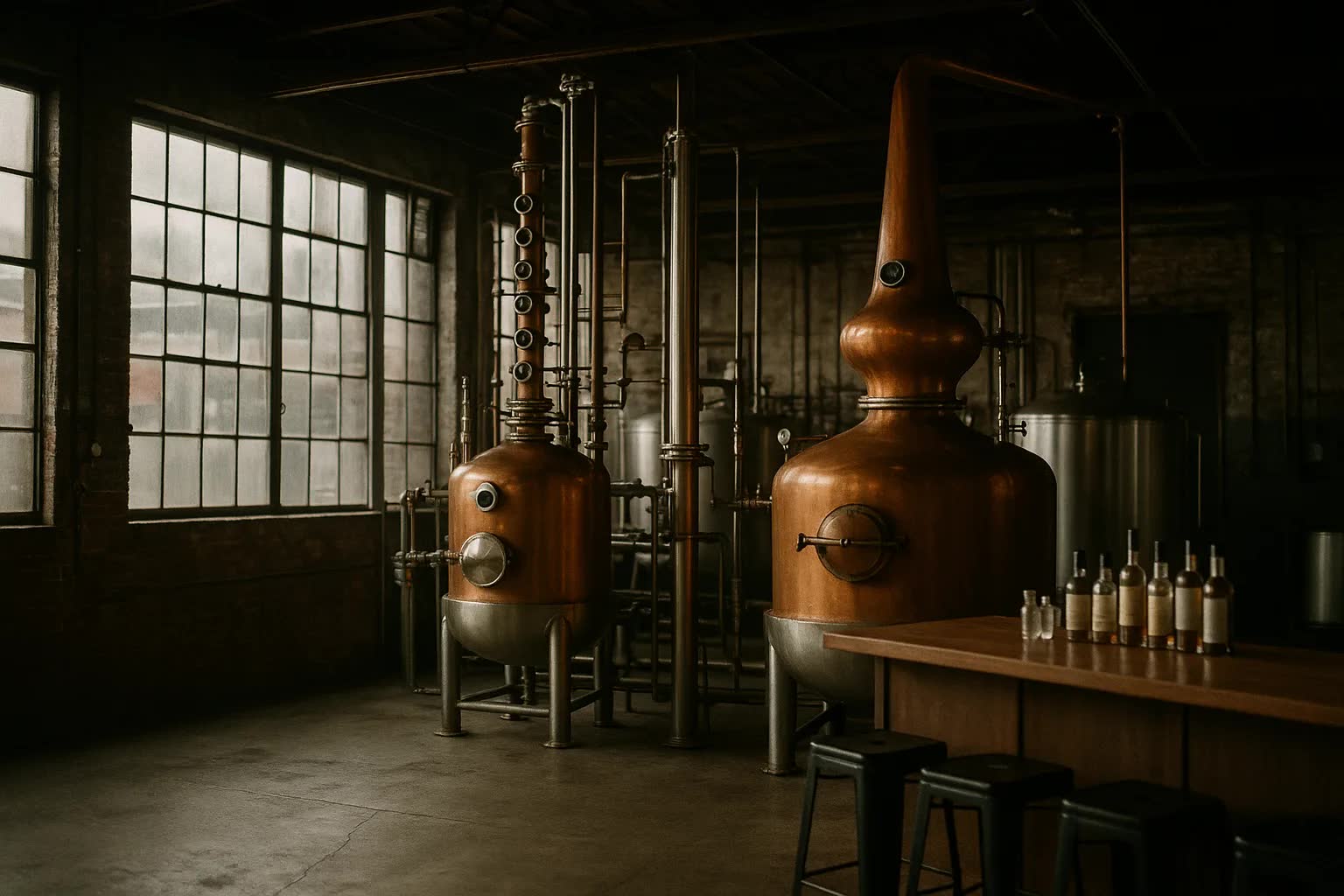
NEW YORK — Along the waterfront blocks of Staten Island, where freight trucks once rumbled past long-shuttered warehouses and the Staten Island Ferry disgorges commuters at St. George, a quiet industrial renaissance is underway: micro-distilleries open their doors to nearby residents, pouring small-batch gin, whiskey and fruit brandies into tasting glasses that double as neighborhood social halls. What began as a handful of hobbyist operations in former shipping lofts has become a visible layer of change on Bay Street, Richmond Terrace and in neighborhoods from Stapleton to Mariners Harbor, bringing weekend crowds, a few noise complaints and a fresh use for buildings that long clogged the waterfront skyline.
One of the leaders in that movement is Harbor & Grain Distillery, a five-year-old operation on the edge of Stapleton that occupies a brick warehouse built in 1926. ‘‘We wanted to make something that felt of this place — maritime, a little rugged, but welcoming,’’ said Marta Delrio, founder and master distiller at Harbor & Grain. Delrio, who apprenticed at a craft distillery upstate before returning to Staten Island, said the tasting room attracts retirees from New Dorp as well as young parents from Tompkinsville and ferry commuters who stop in after work for a flight and conversation.
A block west, Verra Spirits converted a former mattress factory into a gleaming copper still room and a low-slung tasting lounge that opens onto a fenced patio. ‘‘Our recipes use bay leaves, spruce tips and apples sourced from backyard trees on the North Shore — it’s about using what’s local and keeping production nimble,’’ said Elias Kwan, co-owner and operations manager at Verra Spirits. Kwan described weekly tours that explain the distillation process to groups of 10 to 15 people and partnerships with neighborhood restaurants such as North Shore Kitchen on Richmond Terrace that offer small plates tailored to particular spirits.
The numbers underscore how swiftly the scene has grown. Department of City Licensing records compiled by the Staten Island Small Business Office show the island had one active micro-distillery permit in 2021 and 12 as of March 2026; the five newest permits were issued to sites in Mariners Harbor, Port Richmond and West Brighton. The operations employ an estimated 72 full- and part-time workers across the island and report combined annual gross receipts of roughly $4.3 million, according to voluntary disclosures to a local business consortium. Average tasting-room attendance on weekend afternoons at established sites ranges from 120 to 180 people, and most new distilleries occupy spaces between 3,000 and 8,000 square feet with on-site barrel storage for between 150 and 600 aging casks.
Converting industrial relics into licensed alcohol-production facilities has not been simple. Distillers must navigate fire codes, ventilation requirements and the state liquor authority’s licensing process, and some buildings need environmental remediation before they can house copper stills and stainless-steel fermenters. ‘‘Adaptive reuse is appealing but costly,’’ said Lena Rosario, senior planner at the Staten Island Borough Office of Development, who has shepherded several projects through permitting. Rosario said borough incentives intended to spur waterfront revitalization — including expedited review and façade grants in specific commercial corridors — have helped tip the balance for some entrepreneurs.
Neighborhood reactions are mixed but largely constructive. Many residents in Stapleton and St. George have embraced tasting rooms as alternatives to chain bars, praising daytime programming such as distillation demonstrations and spirits workshops. Some West Brighton neighbors have expressed concern about weekend parking and occasional late-night deliveries along Hylan Boulevard. ‘‘We like the idea of a new small business that draws people to Bay Street, but we also want to make sure it doesn’t become a rowdy bar scene,’’ said Carlos Menendez, a member of Community Board 1 who represents parts of Tompkinsville and Stapleton, adding that board hearings have worked to set reasonable operating hours and delivery windows.
Producers on Staten Island are also experimenting with product styles that reflect the borough’s landscape. Distillers bottle a briny, maritime gin tinctured with local kelp and bay leaf; a rye aged in reclaimed Hudson Valley oak gives a peppery backbone to a Staten Island straight whiskey; fruit brandies made from surplus apples and cherries sourced in New Dorp and Silver Lake are filtered and bottled within weeks. Many operations report using spent grain as livestock feed or compost, and several have agreements with a nearby cooperage to cycle and reuse barrels, keeping capital costs manageable as they build inventories that, by necessity, mature slowly.
Economics and mobility are tightly connected to the trend. Weekend visitors arrive by ferry, car and an expanding network of e-bike delivery services, and several distilleries rely on electric cargo bikes for last-mile distribution to restaurants in Manhattan and Brooklyn. ‘‘We use a fleet of seven electric cargo bikes to make same-day deliveries across Staten Island and over the bridge — it’s faster for short runs and avoids the hassle of curbside fines downtown,’’ said Jillian Park, director of Shoreline Couriers, a local logistics startup that contracts with three island distilleries. Park added that the company’s model reduces diesel truck trips by roughly 40 percent on short-haul legs.
Local economic development groups are betting the micro-distillery cluster can be an engine for broader investment along the North Shore. The Richmond County Development Corp. approved $620,000 in small-business grants last year aimed at façade improvements, energy-efficiency retrofits and pilot tasting-room programming; organizers say that money is often matched by private investment. Distillers have also started coordinating pop-ups with North Shore eateries and a once-monthly late-night market in Stapleton, creating an after-hours economy that complements daytime ferry traffic and weekend visits to Snug Harbor Cultural Center and Conference Center.
Looking ahead, distillers, planners and neighborhood groups say they are working to temper rapid growth with community safeguards: a Staten Island Distillers Guild is forming to set voluntary standards for noise, deliveries and public events, and the borough planning office is considering zoning tweaks to encourage more adaptive reuse along the waterfront without permitting unchecked nightlife expansion. If current trends continue, organizers expect the island’s micro-distillery count to double by 2028 and to broaden the North Shore’s mix of artisans and small manufacturers — a maritime echo of the industrial past reimagined for neighborhood life in the decades to come.