Midtown NYC Tower Declared Unstable as Columns Buckle During Major Renovation
The 37-story former Pfizer headquarters at 235 East 42nd Street — being converted into 1,600 luxury apartments in the largest office-to-residential project in US history — was evacuated Tuesday after inspectors found load-bearing columns on the 21st floor had buckled, causing multiple floors to sag.
By Aspen Young · July 7, 2026 · 5 min read
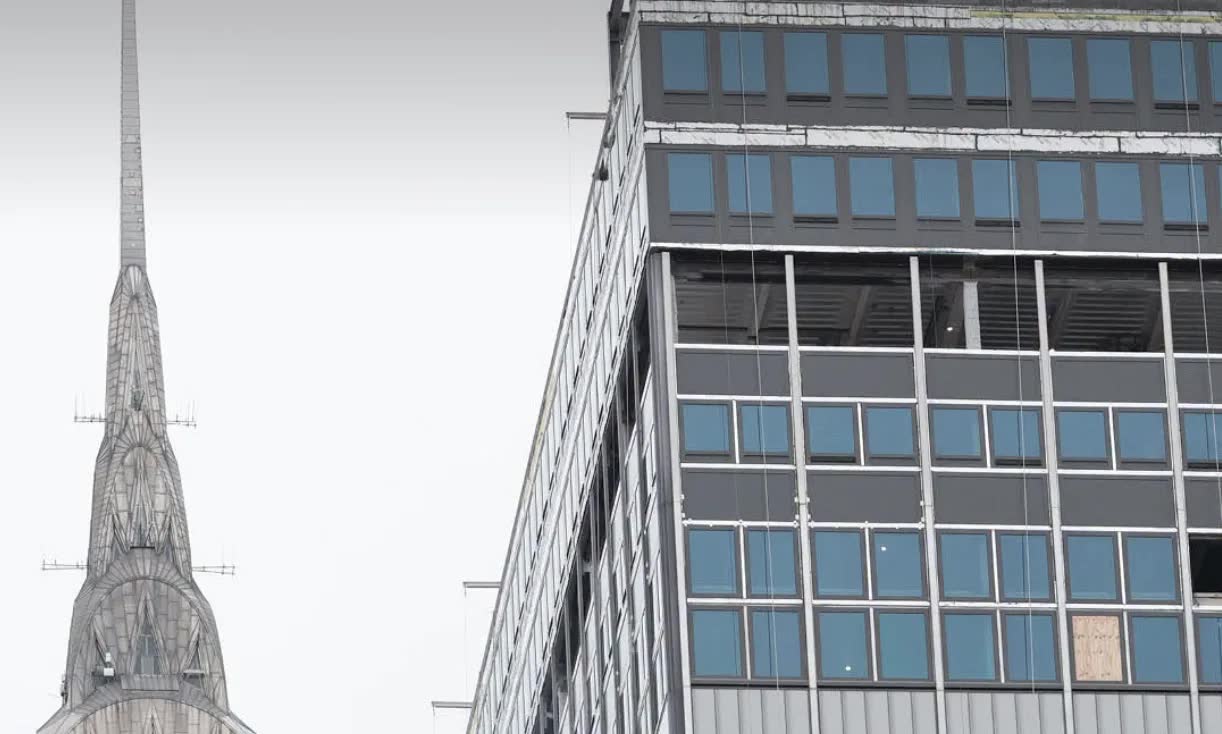
NEW YORK -- A massive office-to-residential conversion project in Midtown Manhattan was brought to a sudden halt on Tuesday morning after severe structural flaws triggered widespread evacuations and the establishment of an emergency collapse zone spanning five blocks near Grand Central Terminal. City officials declared the 37-story high-rise at 235 East 42nd Street -- the former global headquarters of Pfizer -- unstable after first responders discovered that load-bearing steel columns on the 21st floor had buckled under the weight of the ongoing construction, causing multiple floors to sag.
The emergency response began shortly before 8 a.m. when 911 callers reported what they believed to be falling bricks. While no debris was found on the street, FDNY and Department of Buildings inspectors found a precarious situation inside. Workers on the 21st floor reported hearing buzzing windows and witnessing concrete shifting as massive steel box beams bent under heavy loads. Mayor Zohran Mamdani, alongside FDNY officials, ordered the immediate evacuation of the construction site and nine surrounding buildings.
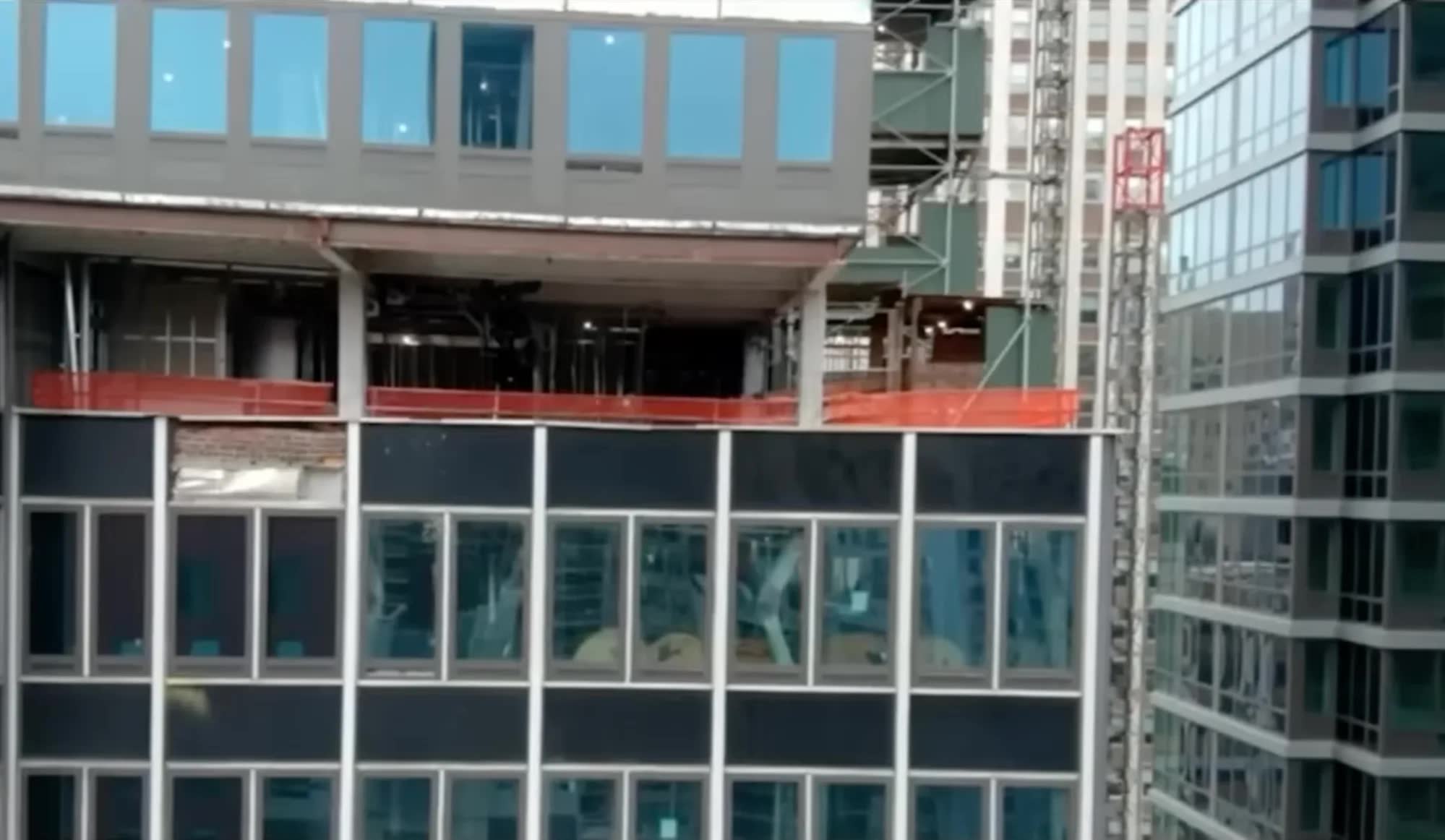
Authorities established a frozen zone stretching from East 40th to East 45th Streets between First and Third Avenues, shutting down pedestrian and vehicular traffic in the busy transit corridor near Grand Central Terminal. Mayor Mamdani stated during a Tuesday afternoon press briefing that emergency sensors and FDNY drones had detected ongoing movement in the compromised columns throughout the morning. This is an extremely serious situation, he said, and the city is treating it accordingly.
Despite the dramatic evacuations, the project developer heavily downplayed the severity of the crisis. Nathan Berman, CEO of Metro Loft -- which is leading the redevelopment alongside David Werner Real Estate Investments -- characterized the structural failure as very small, noting that the issue was isolated to two inadequately reinforced columns in the northwest corner of the building. Construction mishaps happen regularly, Berman stated, emphasizing that the overarching integrity of the tower remained intact and that a total collapse was out of the question.
Workers on the ground painted a much more alarming picture. A representative for the Steamfitters Union described the massive steel beams bending like cigarettes, placing blame on the developers for allegedly failing to install adequate steel reinforcements to support the 16 additional stories being added to the top of the original structure. The former Pfizer site is slated to become the largest office-to-residential conversion in United States history, designed to bring roughly 1,600 luxury apartments to the Midtown area.
This is not the first time the high-profile site has faced safety scrutiny. DOB records show the project has accumulated seven construction violations over the past year. In August 2025, the general contractor was hit with a stop-work order and a $10,000 fine after a metal panel plummeted from the 33rd floor. Just a month prior, falling window glass from the 8th floor resulted in a $5,000 penalty. By late Tuesday afternoon, sensors indicated that the building had stopped shifting, allowing a specialized team of structural engineers to re-enter the tower. Emergency crews were staging heavy-duty trusses and struts to shore up the 21st floor and transfer the weight away from the damaged columns -- a process city engineers said would take at minimum 72 hours to complete safely.