The Conversion Wave: 200 Midtown Office Buildings Under Review for Residential Use
A city task force has identified roughly 200 underperforming commercial buildings in Midtown and Lower Manhattan as viable candidates for housing conversion, a figure that dwarfs previous estimates and signals just how dramatically the office market has been permanently restructured.
By Bill Ren · July 30, 2026 · 6 min read
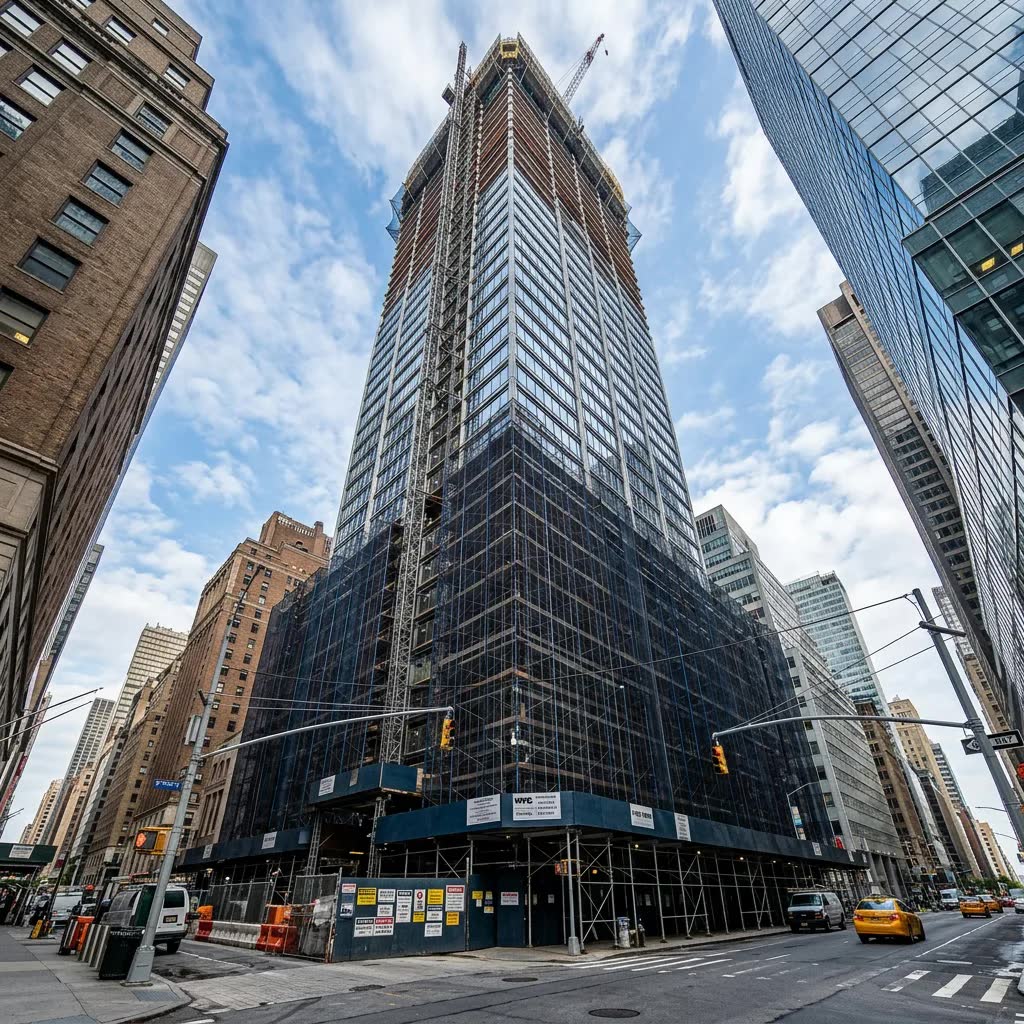
NEW YORK — For years after the pandemic upended office culture, city officials and real estate analysts debated whether New York's commercial vacancy crisis could be partially resolved through residential conversions. A new report from the Mayor's Office of Housing and Economic Development suggests the answer is yes — and at a scale that surprised even optimists in the industry.
The report identifies approximately 200 office and commercial buildings, concentrated in Midtown South, the East Midtown corridor, and Lower Manhattan, that meet the structural and regulatory criteria for conversion to residential use. Collectively, the buildings represent an estimated 35 million square feet of space and could theoretically yield between 20,000 and 28,000 new housing units, depending on design configuration and affordability requirements attached to public subsidies.
The path from viable candidate to completed apartment building is long, expensive, and littered with complicating variables. Many of the buildings identified in the report have floor plates too deep for residential use without significant light-well excavation, a costly intervention that can undermine the economic case for conversion. Others are subject to commercial leases that run through the early 2030s, meaning even willing landlords cannot act immediately. And the financing gap between the cost of conversion and achievable residential rents in all but the highest-demand locations remains substantial, requiring public subsidy to close.
Still, the scale of the identified pipeline has shifted the conversation. Earlier estimates of the conversion opportunity ranged from 30 to 60 buildings. Reaching 200 requires acknowledging that the structural shift in office demand — driven by hybrid work, the outmigration of financial tenants to the far West Side, and the migration of technology firms away from their pre-pandemic Midtown South clusters — has permanently impaired values in a wide swath of the commercial market.
Several conversions are already underway or recently completed. A former insurance company headquarters on John Street in Lower Manhattan has been remade into 588 apartments. A 1960s office tower on West 36th Street is being repositioned as a mixed-income rental building with 320 units. City officials say they expect to announce the first tranche of subsidy allocations for newly identified candidates by the end of the year. For a housing market that has spent years struggling to add supply, the office glut has become, at least on paper, an unexpected source of opportunity.