MTA Board Approves Fare Freeze, Citing Strong Congestion-Toll Revenue
In a divided vote, transit officials held subway and bus fares flat for another year, crediting toll receipts even as they warned of a looming maintenance backlog.
By Marcus Bell · July 9, 2026 · 4 min read
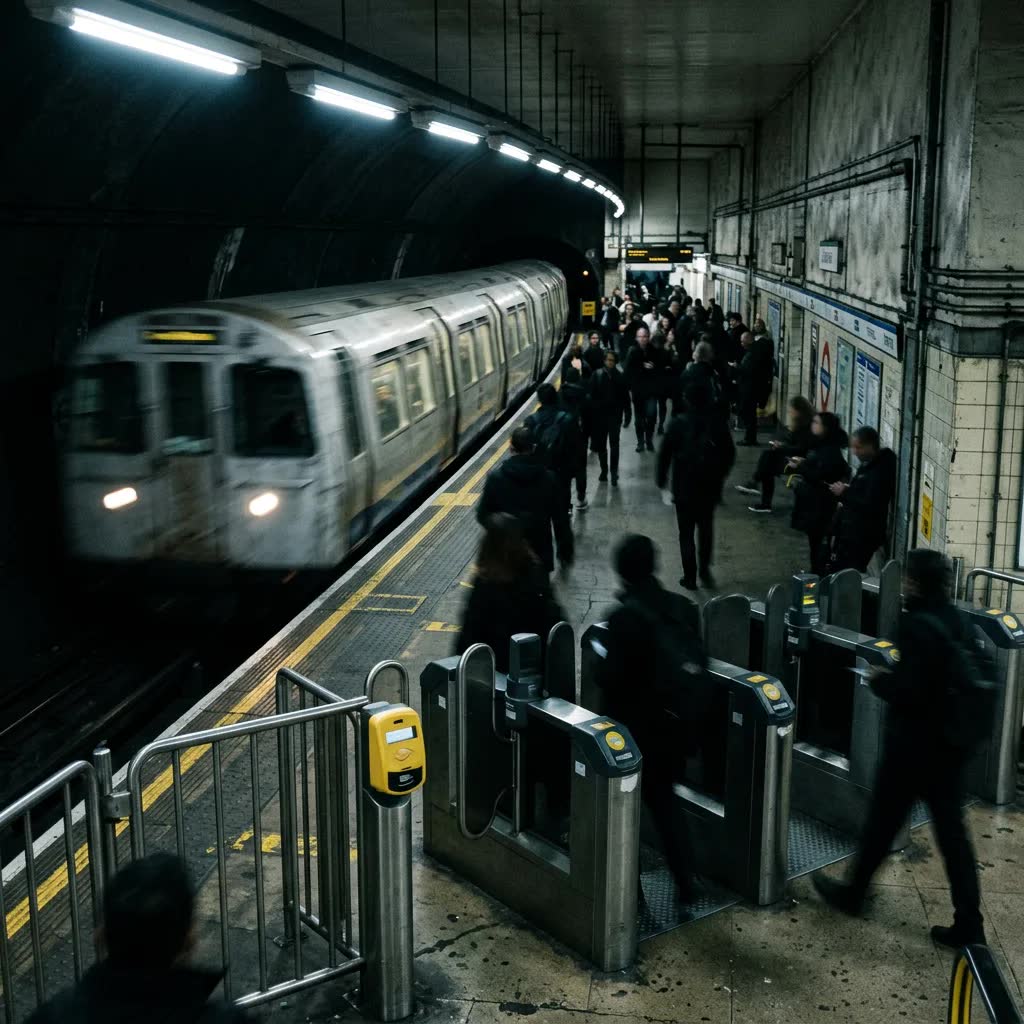
NEW YORK — The Metropolitan Transportation Authority board voted 9-to-5 on Wednesday to hold the base subway and bus fare at its current level through the next fiscal year, marking the second consecutive freeze and setting aside a long-planned increase that officials had previously called unavoidable. Board members who backed the freeze credited the steadier-than-expected revenue from the Manhattan congestion tolling program, which they said had exceeded projections in its first eighteen months of operation.
Supporters argued that the toll receipts, combined with modest ridership gains, gave the authority room to spare riders another increase at a time when household budgets remain strained. "Riders held up their end when we asked them to come back to the system," one board member said before the vote. "Raising the fare now would be a slap in the face to the people who did." The freeze applies to the base fare and to weekly and monthly unlimited passes.
Opponents on the board warned that the decision papered over a widening structural gap. They pointed to a maintenance backlog on aging signals and rolling stock that transit engineers have estimated will require billions in the coming decade. "We are borrowing against our own tracks," one dissenting member said, cautioning that deferring fare adjustments could force deeper service cuts later. The authority's finance staff acknowledged that toll revenue alone could not close the long-term capital shortfall.
Governor Kathy Hochul, whose administration has clashed and cooperated with the authority in equal measure, issued a statement calling the freeze "a welcome bit of stability for working commuters," while urging the board to keep pressing Albany and Washington for dedicated capital funding. Transit advocates applauded the vote but echoed the warning that the system cannot run indefinitely on tolls and goodwill.
The board also approved a package of service adjustments alongside the freeze, adding weekend frequency on three heavily used bus routes in the outer boroughs and extending a late-night subway pilot on two lines. Officials framed the moves as an attempt to win back off-peak riders whose fares fund a growing share of operations. A separate proposal to expand reduced-fare eligibility was deferred to a later meeting for further study.
For everyday riders, the immediate takeaway was simple relief. "I budget to the dollar, so every hike hurts," a Brooklyn commuter said outside a Flatbush station after the vote. The authority said the new service changes would begin rolling out in September, and that it would publish an updated capital plan in the fall that lays out how it intends to address the maintenance backlog its own members flagged.