New Jersey Commuter Ferries Launch Evening Jazz Runs
Private ferry lines serving Hudson River commuters have added late‑night jazz cruises to tap demand for post‑work cultural outings between Jersey and Manhattan.
By Zoe Kaplan · December 10, 2025 · 4 min read
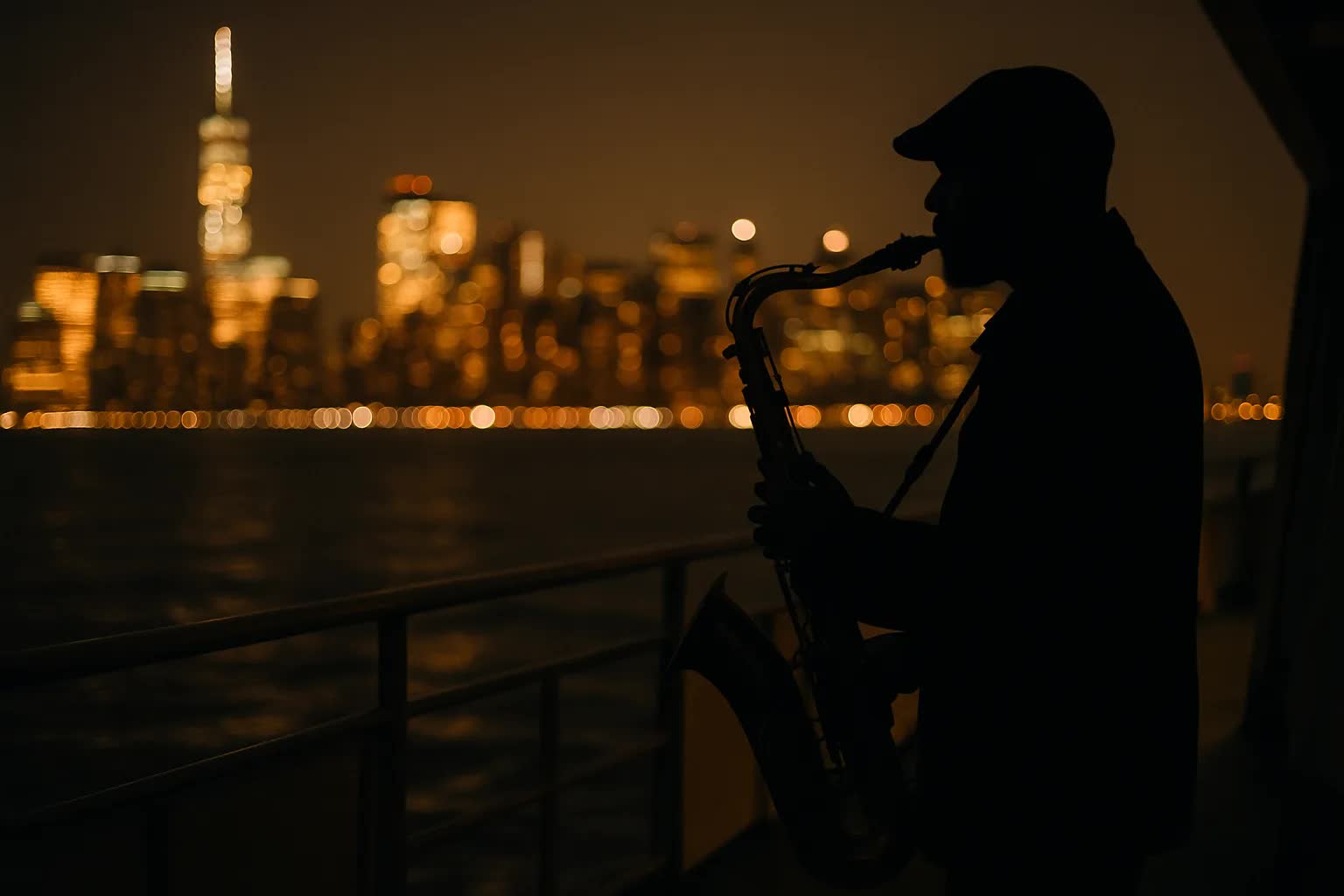
NEW YORK — (Dec. 10, 2025) New Jersey commuter ferry operators have begun running late‑night jazz cruises that aim to turn routine river crossings into cultural outings for Manhattan workers and Jersey City residents, a shift that could alter how New Yorkers think about nighttime transit between the two states. The pilot program, launched this week by two privately held lines, blends short commuter hops with 45‑minute live sets staged on the main deck as the skyline slides by — an effort to capture demand from audiences leaving late shows in the West Village, Chelsea and the Lower East Side.
Hudson Harbor Ferries and Liberty Crossings, companies that traditionally focused on rush‑hour runs from Paulus Hook, Hoboken Terminal and Exchange Place, announced evening departures at 9 p.m. and midnight to Pier 11 and West 39th Street. The vessels will host jazz trios and small ensembles curated by Riverbeat Collective, a Jersey City arts nonprofit. Carlos Mendoza, chief executive of Hudson Harbor Ferries, said the runs were designed to marry transit practicality with a low‑key cultural experience. "We know people want reasons to linger after work; the ferry is both a ride and a venue," he said.
Musicians and promoters say the program offers a new stage for camera‑shy bar bands and established players who want an extra night of gigs without the late‑night subway slog. Maya Estrin, artistic director at Riverbeat Collective, said the groups were drawn from both sides of the Hudson. "We booked six trios and two quartets for the pilot, favoring players who already commute for gigs around Tribeca and DUMBO — it keeps the music local and the routes interesting," Estrin said. The sets will focus on standards and short original pieces that can be presented in 30‑ to 45‑minute blocks.
Operators provided concrete figures to justify the experiment: the pilot covers 28 evening sailings over the next six weeks using four ferries with a combined passenger capacity of 1,200 seats per night. Tickets are priced at $28 for advance purchase and $35 at the gate; an estimated 40 percent of capacity is earmarked for standing commuters with regular passes. Companies project weekly revenue of roughly $19,000 from the jazz runs, excluding bar sales and private charters, and are aiming to reach 60 percent average load factor by the end of the pilot.
The logistics are surprisingly precise. Sound levels are limited to 85 decibels at the midpoint of the main deck and amplified via compact PA systems to preserve the skyline soundscape. Mendoza said the lines had invested in new aft‑deck canopies and low‑glare lighting to keep sightlines to One World Trade Center and the Empire State Building unobstructed. "We wanted to avoid the feeling of a club on water; it's more of a shared listening room with a river view," he said. Promoters have also scheduled short boarding windows to keep the vessels on the tight post‑theater timetable.
Local businesses along both shores are watching. In Hoboken, Sexton & Rye, a whiskey bar on Washington Street, has partnered with Riverbeat to offer pre‑show menus timed to the 9 p.m. ferry. "We get a lot of diners who want to finish earlier and catch a show in the city — now the show comes to them halfway," said Lena Ortiz, the bar's owner. In Manhattan, a handful of Chelsea and Battery Park restaurants say the late ferries could feed a new after‑dinner crowd that otherwise might head straight home, boosting weekday revenues on nights when theater listings run late.
Not everyone is enthusiastic. Transit planners and neighborhood groups raised concerns about fare parity, last‑mile connections and noise near residential piers. A senior MTA planner who requested anonymity noted that the ferries' schedules could complicate late‑night transfers for riders relying on subway or bus links. "The ferries are flexible, but the rest of the system isn't always aligned with those departure times," the planner said. City and county permitting documents also show several outstanding questions about dock use and liability, according to filings reviewed by this paper.
Cultural leaders say the offering fits a broader trend toward experiential transit, where the journey is deliberately programmed. Similar initiatives have cropped up on the East River and in other port cities, with mixed results. Festival organizers are already eyeing the runs for potential tie‑ins: North River Jazz Fest, an emergent festival run by a consortium of Hudson County venues, has approached the operators about a weekend series in April that would extend the boat sets and offer popup stages on Manhattan piers.
The pilot has drawn interest from musicians as well as sponsors: two local spirits brands have signed short‑term deals to underwrite the initial programming in exchange for branded cocktails on board, and a neighborhood arts grant of $15,000 from a Jersey City foundation helped cover artist stipends. If the figures hold, operators said they would consider a broader seasonal schedule in spring and a rotating slate that could include spoken‑word nights, Latin jazz and small‑scale comedy sets geared to post‑work audiences.
Organizers say they will use the pilot to decide whether the concept can become a permanent bridge between after‑work culture in New Jersey and Manhattan's nightlife. For now, riders boarding at Paulus Hook and Hoboken will trade a taxi or a subway ride for a short concert against the skyline, a modest experiment in making the river itself part of the city's evening entertainment map. If the pilot succeeds, expect more thematic nights, expanded routes and perhaps a soundtrack that becomes as recognizable to commuters as the skyline itself in the months ahead.