New York Finishes Second in Sports Business Journal's Annual City Ranking — Behind Atlanta
Even after hosting a World Cup final and celebrating a Knicks championship, the five boroughs came up one spot short in a ranking that measures the business of sports, not the spectacle of it.
By Nathalie Richard · August 4, 2026 · 4 min read
NEW YORK — By almost any measure a fan would recognize, this was New York's summer. On July 19, MetLife Stadium — rebranded "New York New Jersey Stadium" for the tournament — staged the final of the largest World Cup ever played, the culmination of eight matches hosted in the market since June 13. Five weeks earlier, the Knicks had closed out the San Antonio Spurs in five games to win the franchise's first NBA title since 1973, ending a 53-year drought with a Game 4 comeback from 29 points down, the largest in Finals history.
And New York still finished second.
Sports Business Journal's annual Best Sports Business Cities ranking, released in May, put Atlanta at No. 1 for 2026, with New York City second, followed by Indianapolis, Charlotte and Minneapolis-St. Paul. It is the fourth edition of the list, which SBJ launched in 2023 with Dallas in the top spot. New York has never finished first.
The gap between that result and the city's summer says less about New York than about what the ranking actually measures. The Best Sports Business Cities list is not a fan-experience index. SBJ evaluates more than 2,000 markets using data from dozens of sources alongside input from roughly 120 sports business executives, scoring cities on opportunity, economic environment and industry sentiment — in effect, where the industry's jobs, deals and long-term capital are most likely to land.
By volume, New York remains without peer. SBJ's own summary describes the city's concentration of sports properties, top-tier sponsors, media companies and marquee B2B events as unmatched, supported by $4.1 billion in sports construction since 2018. Atlanta won on a different profile: a deeply integrated corporate base including Delta Air Lines, Coca-Cola and The Home Depot, an active sports council, and an event calendar anchored by eight World Cup matches, College Football Playoff national championship games and a future Super Bowl at Mercedes-Benz Stadium. Put plainly, the ranking rewards a market where the sports industry is easy to build a business in. New York is where the industry already lives — expensive, crowded and difficult to enter.
The inventory itself is not in dispute. Nine franchises across the four major North American leagues call the metropolitan area home: the Yankees and Mets, the Giants and Jets, the Knicks and Nets, and the Rangers, Islanders and Devils. No other U.S. market carries that load.
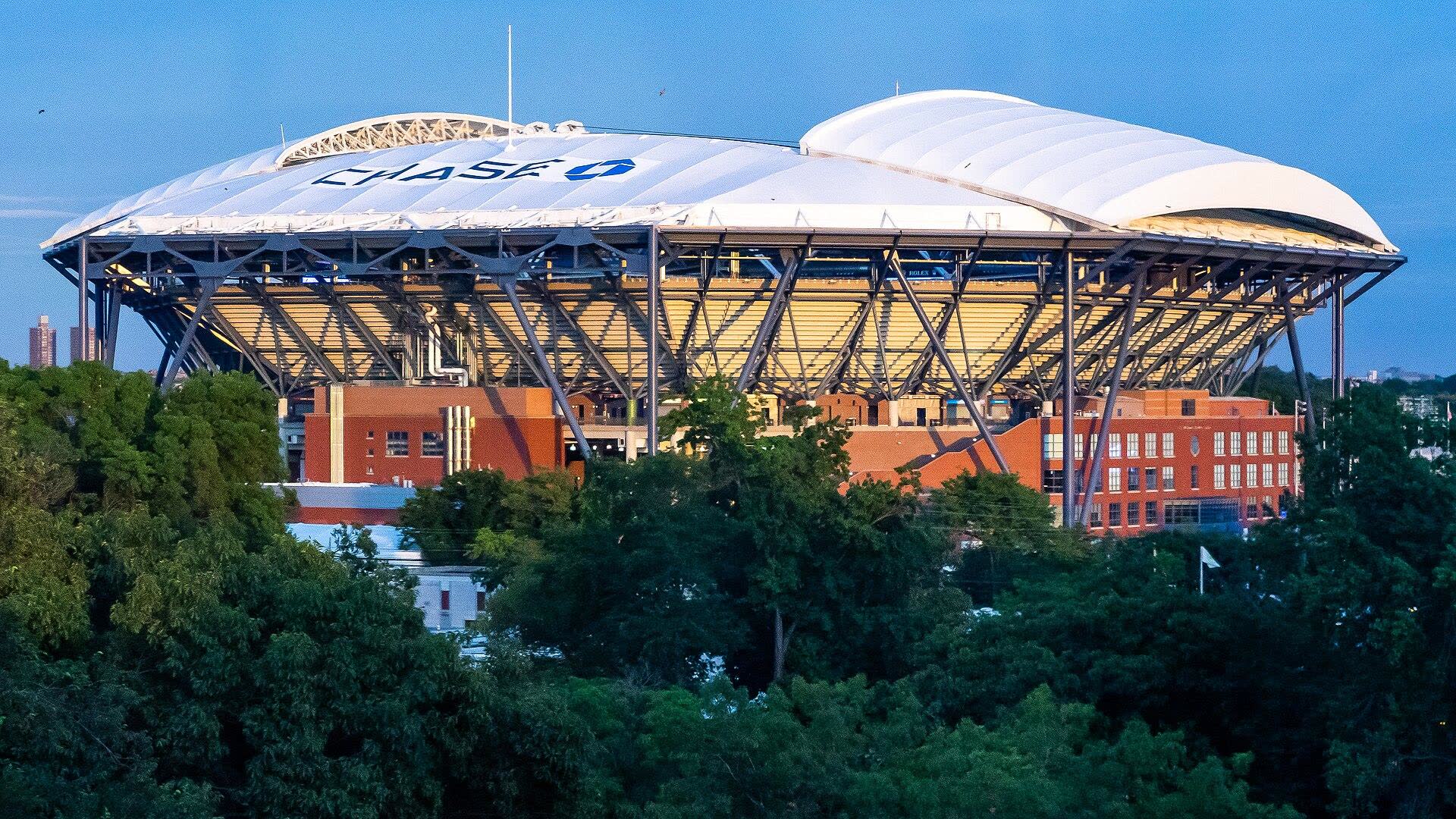
The event calendar for the remainder of the year is thinner than the summer but still substantial. The US Open runs from August 23 through September 13 at the USTA Billie Jean King National Tennis Center in Flushing Meadows, with Fan Week preceding a main draw that opens August 30. The Yankees enter the season's final stretch in playoff position, second in the American League East; the Mets, at the bottom of the National League East, are playing out the string. Madison Square Garden reopens in October with the Knicks raising a banner for the first time in five decades.
The city's sports identity has always been geographic as much as institutional — Yankees fandom rooted in the Bronx, the Mets and the US Open both anchored in Queens, Brooklyn's basketball culture, the soccer fields and supporters' bars of Jackson Heights, the boxing gyms scattered through the South Bronx and Bushwick. That texture is real, and it is one of the few things about New York sports that no ranking has ever tried to score.
What the rankings also leave out is cost, the most persistent criticism of the New York sports experience — and a championship will not soften it. Knicks tickets were already the most expensive in the NBA before the title: ticketing data for the 2025-26 season put the team's average price at roughly $213, about four times the league average and 46 percent above the Lakers. Ticketmaster, the team's official marketplace, now lists a typical Knicks ticket in the $250-$350 range heading into the title defense.
None of that registers in SBJ's methodology, which is a fair criticism of the list only if you expect it to be something it isn't. Opportunity, economic environment and industry sentiment are measures of a market's health for the people who sell sports. What a bricklayer from Woodside pays to watch a game is a different question, and nobody is currently ranking it.
New York finished second. It also just hosted the most-watched sporting event on earth and won a championship it had waited 53 years for. Both things are true, and only one of them was on the scorecard.