New Zoning Proposal in Harlem Aims to Preserve Artist Workspaces
City planners propose a carve-out to keep affordable industrial spaces for studios, but landlords argue the rules could stifle redevelopment.
By Dominic Russo · April 25, 2026 · 4 min read
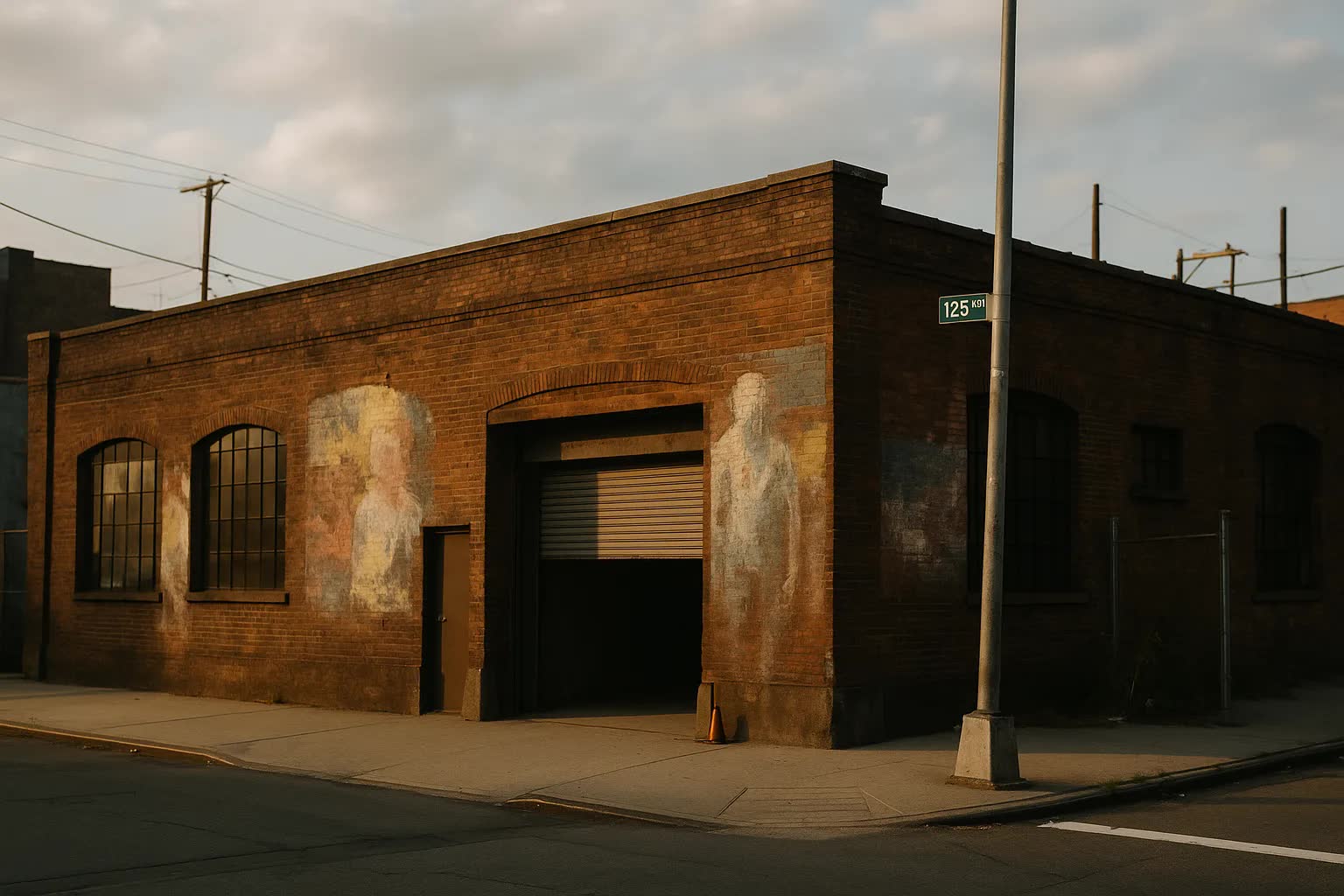
NEW YORK — City planners on Friday unveiled a zoning proposal aimed at preserving affordable industrial workspaces in Harlem, a move they say is designed to keep artist studios, small manufacturers and rehearsal spaces from slipping into luxury condominiums along 125th Street and into Hamilton Heights and Sugar Hill, where rising rents have hollowed out creative uses in recent years.
The Department of City Planning is floating what it calls the Harlem Creative Manufacturing Overlay, a special district that would restrict conversion of designated light-industrial lots to residential uses and require a percentage of ground-floor space be reserved for low-cost artist workspaces for at least 30 years. The plan targets corridors between Lenox Avenue and St. Nicholas Avenue, stretches along West 125th from the Adam Clayton Powell Jr. Boulevard intersection toward the Harlem River, and includes industrial pockets near the former Harlem River Yards.
“This is about maintaining the ecosystem that made Harlem a cultural engine,” said Marisol Vega, executive director of the Harlem Arts Coalition, which has been lobbying for protections for maker spaces and rehearsal halls. “If artists are the first to go, the whole neighborhood loses its character. Zoning is not a perfect tool, but it’s one of the few we have to keep studios affordable in the face of speculative development.”
Property owners and developers pushed back immediately, arguing the overlay would tie their hands and discourage rehabilitation of aging brick warehouses into housing that can meet skyrocketing demand. “We support artists, but a blanket restriction on conversions will freeze properties that are functionally obsolete and need new investment,” said Ethan Cole, chief executive of Cole Property Group, which owns three buildings on West 125th and one in Hamilton Heights. “This could chill redevelopment and hurt the tax base.”
Under the city’s draft analysis, the overlay would cover roughly 250,000 square feet across approximately 130 properties; planners estimate it would preserve about 1,800 artist studios and small manufacturing units, at an average current rent of $18 per square foot compared with $40 per square foot for comparable market-rate redevelopment. The department projects a net reduction of roughly $3.2 million in annual property tax revenue in the immediate years following adoption if conversions are limited, offset by an estimated $2.1 million in new cultural grants and incentives over five years to help retrofit spaces for artists.
Artists and tenants who say they have already been pushed out described eviction notices, rising base rents and the loss of informal foundries and print shops that once supplied local galleries and theaters. “I had a studio over the old Harlem Bulk Print on Lenox for nine years,” said Lena Park, a sculptor and longtime member of the Sugar Hill Studio Collective. “Last winter the owner sold to a development firm and we got 60 days. If these protections had been in place two years ago, I wouldn’t have lost my space and my apprenticeship program.”
City planners insist the overlay is flexible, allowing owners to apply for special permits or to trade floor-area rights in exchange for legally binding guarantees that a portion of space will stay affordable. “We designed the overlay to minimize undue burdens on property owners while preserving critically needed space for cultural and light-industrial uses,” said Thomas Riel, deputy director of Manhattan zoning at the Department of City Planning. “There will be compliance pathways and tax abatements to incentivize retrofits rather than push owners into a fire sale.”
Developers, however, warned of legal challenges and long permitting delays. Nadia Heller, a partner at Kinder & Heller, which represents several landlords in Harlem, said the draft ordinance still leaves key terms vague, such as how affordability will be enforced and what constitutes a legitimate ‘artist workspace.’ “Ambiguity invites litigation and increases the cost and time required to bring any project across the finish line,” Heller said. “That in turn can slow the very improvements neighborhoods rely on for safety and services.”
The proposal has split local community groups and business associations. Community Board 10, representing much of central Harlem, voted last month to seek a pilot program instead of a districtwide overlay, while the West Harlem Business Improvement District has urged more owner-friendly incentives. The Department of City Planning said it will host three public hearings in May — including one at a storefront meeting space near 125th Street and Frederick Douglass Boulevard — with a 60-day public comment period before a City Planning Commission vote expected in July.
Supporters and opponents alike say the coming months will be decisive as compromise language is negotiated with Council staff and neighborhood leaders. If adopted, planners say the overlay could be phased in, starting with two test corridors in Hamilton Heights and near the 125th Street corridor, and include automatic review after five years; if it stalls, artists and advocates warn the losses will continue. Either way, the debate is likely to shape how New York balances cultural preservation against redevelopment in other neighborhoods facing similar pressures, and will test whether zoning can be a tool to keep Harlem’s creative industries on the ground where they evolved.