NJ Commuters Push Back Against New Gateway Construction Detours
Alternate routing and longer travel times have sparked calls for clearer communication and temporary fare relief from New Jersey transit agencies.
By Leo Wang · January 8, 2026 · 4 min read
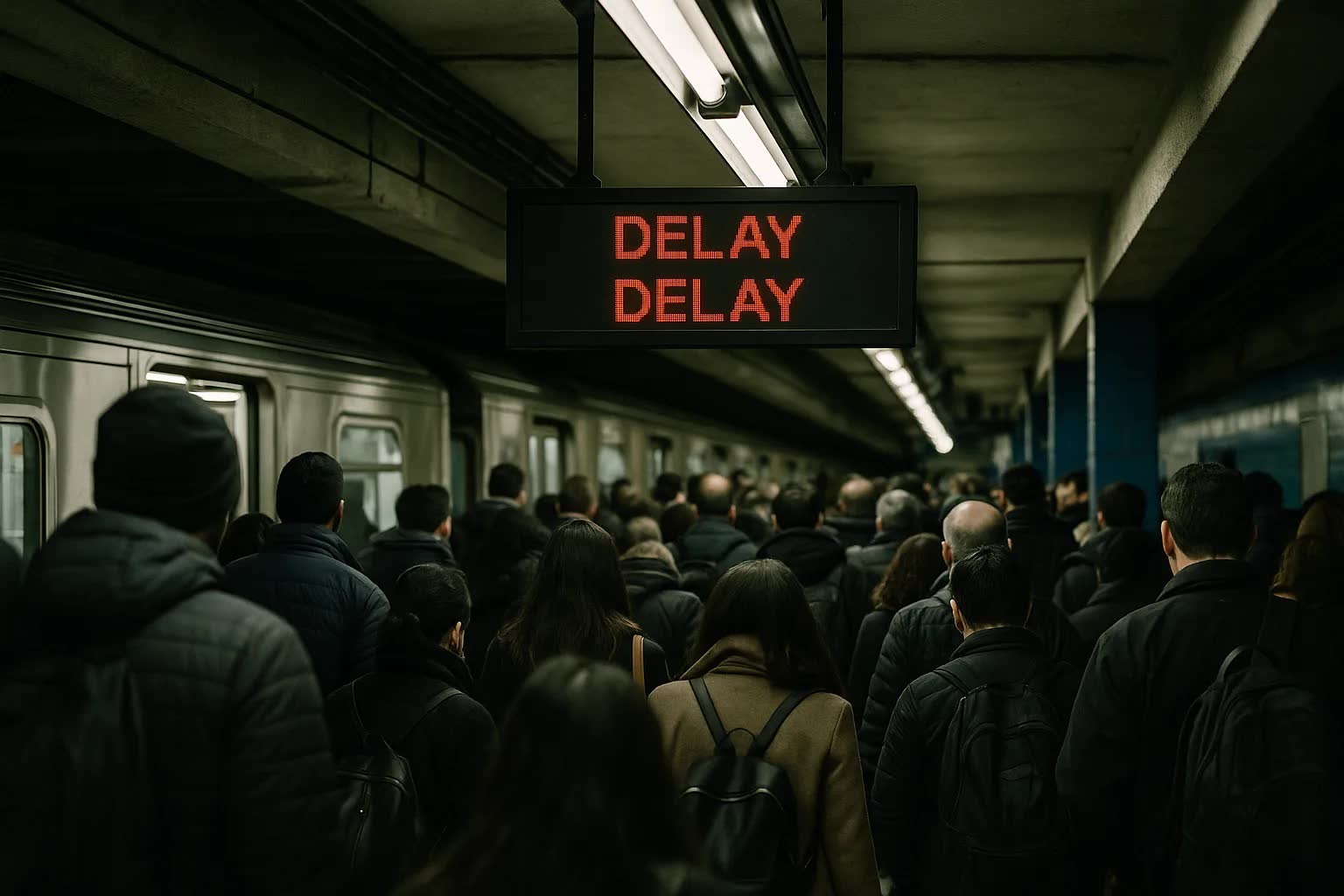
Commuters pouring into Penn Station and the Port Authority Bus Terminal this week felt the impact of new Gateway Program construction detours in real time: later trains, bus bridges spilling onto West 33rd Street and 8th Avenue, and packed platforms in Chelsea and Midtown where the usual morning rhythm has been replaced by confusion and delay.
The detours, a series of alternate routings around repair zones beneath the Hudson River, were triggered by a sequence of weekend shutdowns aimed at accelerating work on a pair of tunnel segments, NJ Transit and Port Authority officials said, but riders in neighborhoods across Manhattan and Brooklyn said communication about the changes was inconsistent. "We understood construction would be disruptive, but nobody expected to be rerouted to three different platforms in one week," said Daniel Fisher, president of the Hoboken Commuter Alliance, noting that commuters who normally ride into the Financial District now face longer trips into Midtown and back into Lower Manhattan by subway transfers.
Across the Hudson, commuters from Journal Square, Hoboken and Bayonne reported packed PATH trains and unfamiliar transfers; at Fulton Street and the World Trade Center complex, transit workers battled lines of passengers seeking alternate connections to reach Wall Street offices. In Chelsea, diners at a luncheon near 7th Avenue said business had thinned as lunch-hour foot traffic shifted unpredictably, and on the Upper West Side teachers told reporters they were missing morning prep time after earlier trains were rerouted to accommodate the detours.
Concrete figures from agency briefings and rider surveys show the scale of the disruption: NJ Transit estimates that about 360,000 weekday riders use Hudson River crossings into Manhattan on a typical weekday and that the detours have added an average of 22 minutes to affected commutes. The agency said crowding on replacement buses has risen 18 percent, with 212 shuttle buses deployed systemwide and 47 extra staffers assigned to stations. Ridership transfers at Hoboken Terminal climbed 35 percent during weekday peak windows compared with two weeks earlier, according to internal counts released Friday.
NJ Transit’s operations office defended the work as necessary and said officials were trying to balance speed of construction with commuter impact. "Our objective is to finish these critical sections sooner to prevent longer, more disruptive closures later," said Leila Rahman, Transit Operations Manager at NJ Transit. "We are adding buses, adjusting timetables and upgrading our information feeds, but we also recognize that our communications did not meet the standard we expect and we are looking at immediate fixes."
Still, some riders and local leaders said the fixes have been piecemeal. "People in Hoboken and Journal Square are paying the same fares and getting longer trips with fewer guarantees," said Maya Ortiz, owner of a deli near Hoboken Terminal. A senior MTA planner who requested anonymity added, "There are modeling blind spots when an adjacent state's infrastructure reconfigures service; we didn't fully anticipate the node effects on subway crowding and transfers downtown."
At a public forum in Chelsea on Thursday night, commuters described a patchwork of warnings — digital alerts that arrived after trains had left, handwritten notices at station gates and online schedules that did not reflect last-minute changes. Maria Santos, a middle school teacher who lives in Hoboken and now commutes to a classroom near Herald Square, said she has started leaving home more than 40 minutes earlier. "It’s not just time," she said. "It’s stress, the unpredictability. I used to rely on one train. Now I plan for three or four scenarios."
The financial and policy debates are already beginning. Commuter groups have formally requested temporary fare relief for affected customers, suggesting a 15 percent discount on monthly passes for the duration of major detours; a cost estimate from an independent consultant circulated to local officials pegs the short-term price tag at roughly $14 million over six months. Port Authority spokespeople said they were studying options but cautioned that any fare adjustments would require interagency budget talks and state approvals.
Agencies say operational improvements are on the way: longer platforms at certain transfer points, expanded off-peak service on alternative lines, clearer station signage and a software push to deliver real-time, localized alerts through agency apps. "We are doubling down on customer information," said Marcus Elrod, director of operations at the Port Authority’s transit division. "Short of stopping construction, we can and will improve predictability — and we’re convening a weekly working group with city transit officials to monitor performance metrics."
Commuters and businesses say they will be watching those metrics closely in the months ahead as the detours continue through the initial construction phase, currently scheduled for rolling work segments into late 2028; agencies have promised public meetings and updated timelines as new data becomes available. For now, commuters in Manhattan from Chelsea to the Financial District and across the river in Hoboken and Jersey City are bracing for a winter and spring of improvisation, while transit officials seek to turn a disruptive stretch of work into a shorter-term pain with longer-term gain.