Nolita Microtheaters Build Audiences With Short‑Form Comedy Nights
Tiny black‑box venues in Nolita are programming late shows of sketch and improv to cultivate new comedic voices in the neighborhood.
By Nia Washington · April 7, 2026 · 4 min read
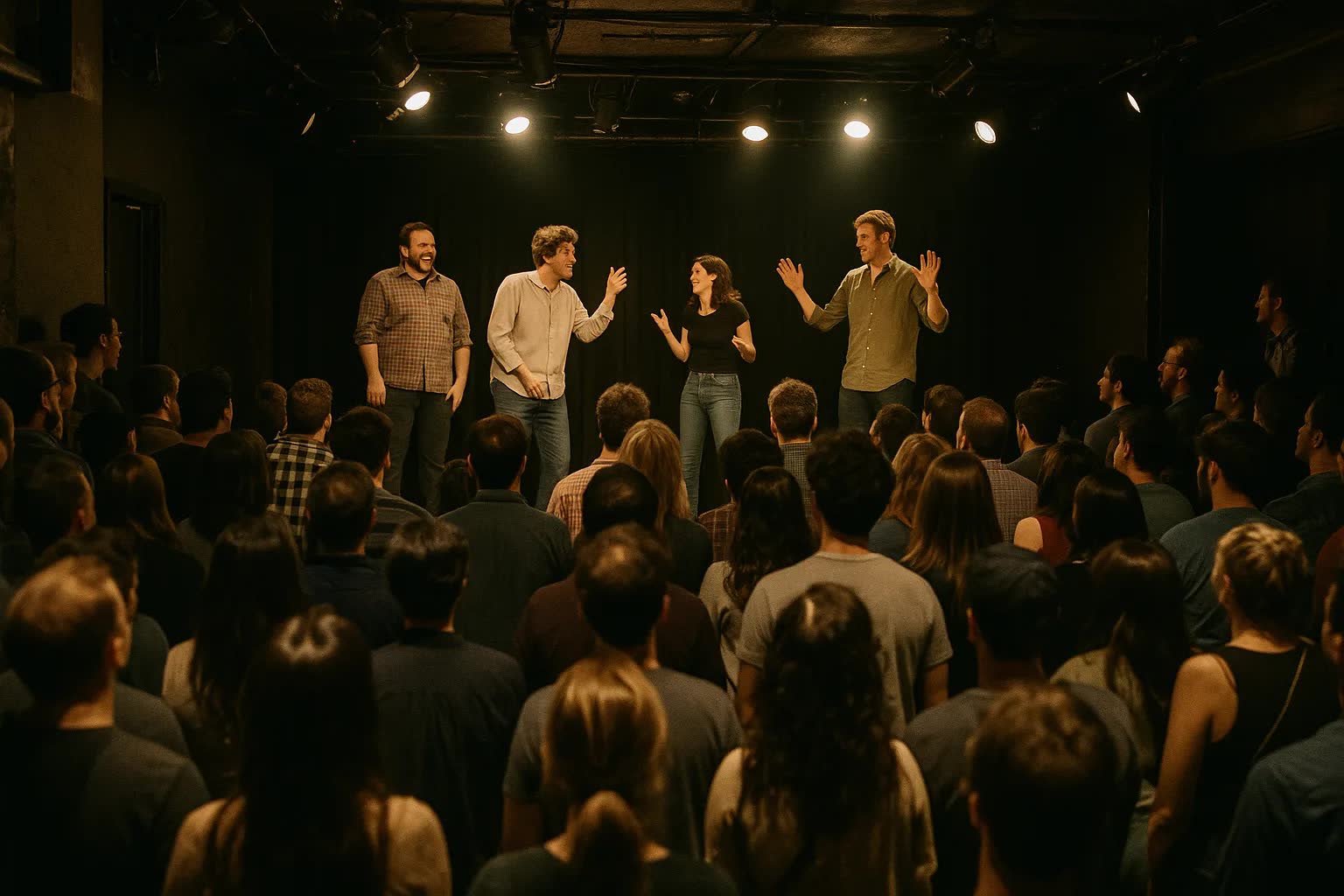
NEW YORK — On a narrow block of Elizabeth Street between Prince and Spring, a black box that fits 28 people stages two back‑to‑back 25‑minute sketch shows and packs both nights as Nolita’s tiny theaters bank on short‑form comedy to build audiences who want something quicker and closer than the city’s bigger clubs and late‑night rooms.
The cluster of microtheaters — intimate venues like Buttonhole Theatre, Tiny Stage Café and the basement space at Mulberry & Co. — have quietly reshaped nightlife in the North of Little Italy, offering 10‑p.m. and midnight sets that target workers finishing late shifts in SoHo boutiques, young families easing into a babysitter routine in the neighborhood and theatergoers who prefer a compact night out over a three‑hour comedy marathon.
Artistic directors say the model is as much about curation as convenience. "We program six different short teams per week and rotate formats so an audience can see improv, sketch, musical comedy and alt‑form in one evening," said Lena Ortiz, artistic director of Buttonhole Theatre. "That density makes the experience feel like a weekly ritual instead of a single show experiment."
The economics are pragmatic. With stool seating and no house lights to refit, overhead stays low and ticket prices hover below mainstream clubs, creating a testing ground for new performers and writers who can afford to take creative risks. "We want to be a pressure‑free place for comics to try an idea with a live room that’s forgiving," said Amir Kahn, co‑founder of Tiny Stage Café and a longtime improv teacher. "If a five‑minute bit tanks here, we move on to the next one and nobody loses their rent money."
The numbers underline the appeal: most Nolita microtheaters run 4 to 6 short‑form nights per week, with capacities between 20 and 40 seats; average ticket prices are $12 to $18; first‑year weekly attendance averages about 240 patrons per venue, rising roughly 30 percent in venues that have been open longer than 18 months. At least five permanent microtheater companies operate within the two‑block radius around Spring and Elizabeth, and pop‑up nights add another dozen events monthly across nearby SoHo and the Lower East Side.
On a recent Thursday, a mix of young professionals from nearby Lafayette Street apartments, tourists staying in SoHo boutique hotels and a handful of theater students from NYU filled the room at Mulberry & Co. The shows move quickly — a three‑minute game here, a two‑person sketch there — producing an energized communal pace that neighborhood bartenders say keeps patrons in the area for pre‑ and post‑show drinks rather than sending them uptown.
The spaces are also becoming practical launching pads. Several comics who began with five‑minute sets in Nolita have gone on to book longer runs at mid‑size clubs and late‑night festival slots. Workshops and mentorship programs run by venue staff pair performing slots with script feedback and low‑cost taping services; producers say the combination of performance and professional development has shortened the path from open mic to paid headliner by as much as two years for some acts.
That success has drawn scrutiny. Neighbors in converted tenements and condo buildings have lodged noise complaints and asked community boards to study the balance between nightlife and residential life. Marisol Vega, executive director of the Nolita Community Arts Coalition, said venues have worked to mediate conflicts by curating soundproofing and limiting amplified music after 11 p.m. "We encourage cultural entrepreneurship but insist on responsible operations that respect quality of life for people who live here," Vega said.
There are other threats: rising rents on Canal and Mulberry, competition from streaming platforms that can undercut live gigs, and a city permitting system that occasionally requires costly retrofits. Still, the microtheaters benefit from Nolita’s foot traffic and a neighborhood identity that blends boutique retail, restaurants and a younger nightlife crowd looking for alternatives to established comedy clubs and large off‑Broadway houses.
Looking ahead, several venues plan to test hybrid offerings this summer — daytime residency series, ticket bundles with nearby restaurants on Elizabeth Street and live‑streamed short shows that could be monetized — as they try to lock in the audiences they built over the past two years and expand the local comedy ecosystem without losing the immediacy that made Nolita’s microtheaters appealing in the first place.