Nolita's Small Cinemas Try Community-Run Programming
Independent houses are ceding some scheduling to neighborhood collectives and film clubs to sustain relevance and fill seats.
By Caroline O'Neill · December 6, 2025 · 4 min read
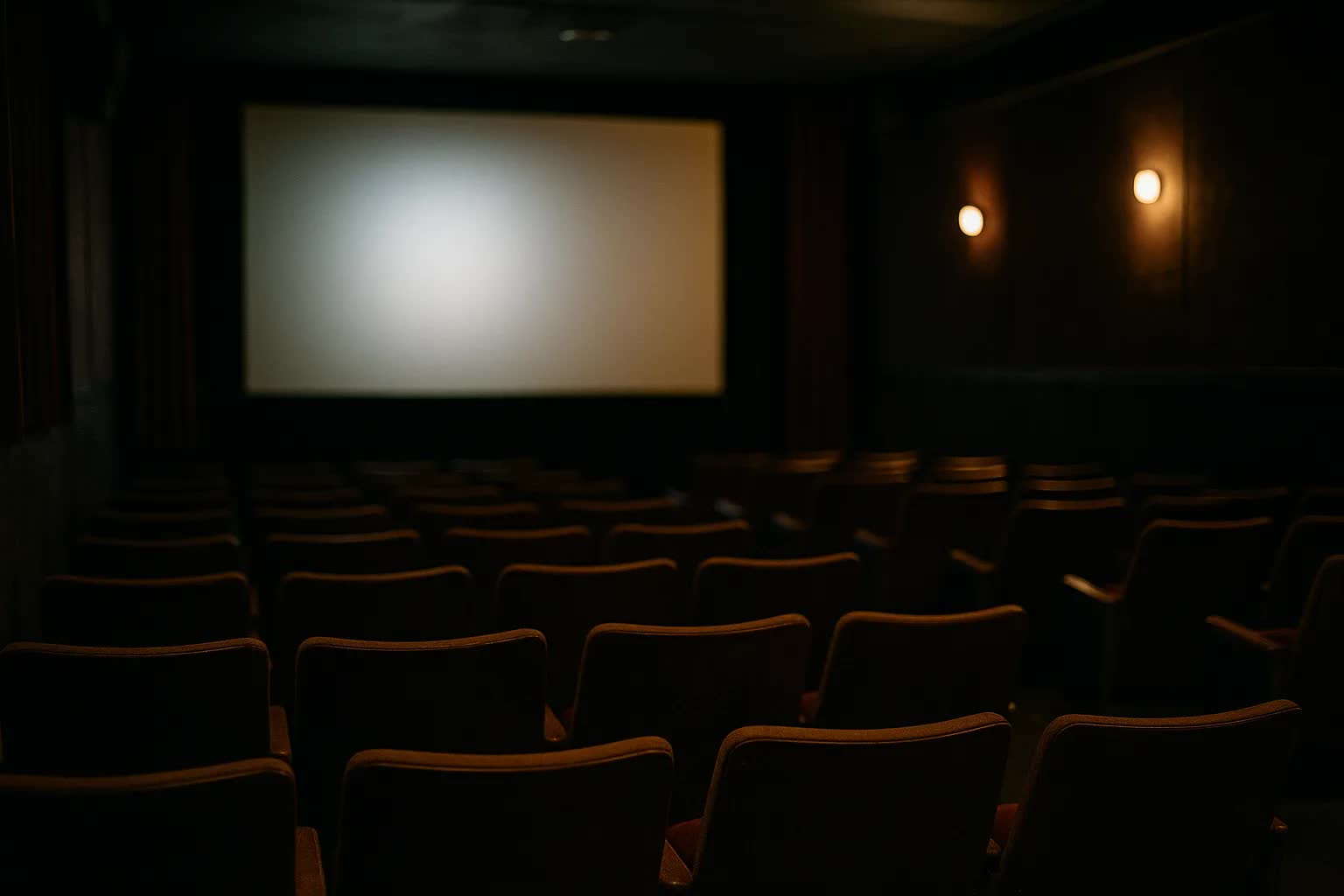
Nolita’s three tiny cinemas are quietly handing over parts of their calendars to the neighborhood — not as a stunt but as survival strategy — turning programming over to film clubs, tenant associations and artist collectives to keep screening rooms humming amid shifting audience habits and rising rents in Manhattan’s wider downtown cultural corridor.
On a rain-swept Tuesday night, the Minetta — a 78-seat house tucked between a pizzeria on Prince Street and an artisanal candle shop — ran a double bill chosen by the Nolita Film Collective, a volunteer group that formed last winter. The house was nearly full, the lobby lined with people spilling out from a pop-up record stall. Longtime programmer Mara DeLuca said giving up some prime slots had been a reluctant but necessary choice.
"We couldn't keep going on ticket sales alone; the community brings a different kind of ticket — time, word of mouth, baked ziti after the show," said DeLuca, programming director at the Minetta. "This isn't charity programming. It's co-ownership of what the theater means to the neighborhood."
The trend has rippled across streets: the Bowery Screening Room now reserves Friday nights to a rotating roster of local clubs, Elizabeth Street Cinema hosts monthly salons organized by a women's filmmaking group, and an ad hoc documentary series curated by teachers from PS 42 runs Sunday matinees tied to classroom visits. Organizers say the model relieves financial pressure by sharing marketing and volunteer labor and by knitting screenings into other neighborhood rhythms, from gallery openings to film studies classes at local community centers.
Numbers reinforce the intuition. Attendance at Nolita's three independent houses fell about 28 percent from 2019 to 2023, to roughly 42,000 annual admissions from an estimated 58,000; average ticket prices rose to $14.50 from $11.25 over the same period. The three venues now allocate an average of 25 percent of weekly screening slots to community groups; membership rolls for the largest local film club grew to about 1,200 paid members in 2025. Concessions revenue dipped 12 percent, while event-hosting fees — rentals to clubs or for private screenings — increased 35 percent, according to figures compiled by the Nolita Cinemas Association, a new local trade group.
Locals point to neighborhood specificity as part of the appeal. Screenings curated by Spanish-language writers draw crowds from Little Italy and the Lower East Side, while Saturday morning kids' shows brought parents from SoHo and Nolita, a short walk from Elizabeth Street Garden and nearby boutique hotels on Lafayette Street. "People come because it's right here, because it's their block," said Jorge Ramos, president of the Nolita Film Collective. "We tailor programming to the demographic pulse — late-night queer shorts, early-afternoon family films, neighborhood history screenings tied to Canal Street and Mulberry myths."
Ceding programming requires trust and some practical guardrails. Cinemas insist on insurance, technical standards and a small booking fee. Collectives agree to clear promotional expectations and theater rules on content and capacity. The Minetta, run by a small for-profit cooperative, retains final say on bookings and programming sequence but has relaxed the exclusivity rules that once favored distributor-driven first runs.
Beyond filling seats, the strategy alters what the theaters mean for the neighborhood. Screenings have become salons and marketplaces: a film about a collapsing garment district coincided with a pop-up from a local textiles co-op, and a restorations series partnered with a Bleecker Street photo lab to show before-and-after print work in the lobby. Local restaurateurs like an Italian spot on Mott Street and a tea house on Mulberry Street report upticks in business on nights when community-driven films are on, reinforcing a symbiotic ecosystem between cinema and local retail.
Not everyone is convinced the approach is sustainable long-term. Some independent programmers worry about a drift toward insularity, with clubs scheduling films largely for dedicated members rather than building new audiences. "There's a risk these theaters become private salons rather than public cultural institutions," said Lila Chen, artistic director of an East Village nonprofit that partners on occasional screenings. Theater managers counter that the hybrid model still leaves room for occasional premieres and curated series that draw broader crowds.
For now, the experiment is expanding thoughtfully, with more formal partnerships forming between theaters and neighborhood institutions — libraries, schools and arts organizations from SoHo to the Lower East Side. The immediate aim is pragmatic: fill seats and keep projectors running. The longer-term gamble is cultural: to make small cinemas centers of neighborhood life again, places where a film is also a meeting, a fundraiser and a conversation. As the Minetta's marquee now reads on most community nights, the show is less about who owns the schedule and more about who shows up; theaters and neighbors say they will keep adjusting the balance in 2026 as they measure which nights bring in new faces and which nights deepen local loyalty.