Heat Advisory Drives NYC to Open 500 Cooling Centers as Temperature Hits 97 Degrees
City officials activated an emergency heat response across all five boroughs on Thursday, with particular focus on the elderly and residents without air conditioning in the Bronx and Brooklyn.
By Siyu Xiang · June 19, 2026 · 4 min read
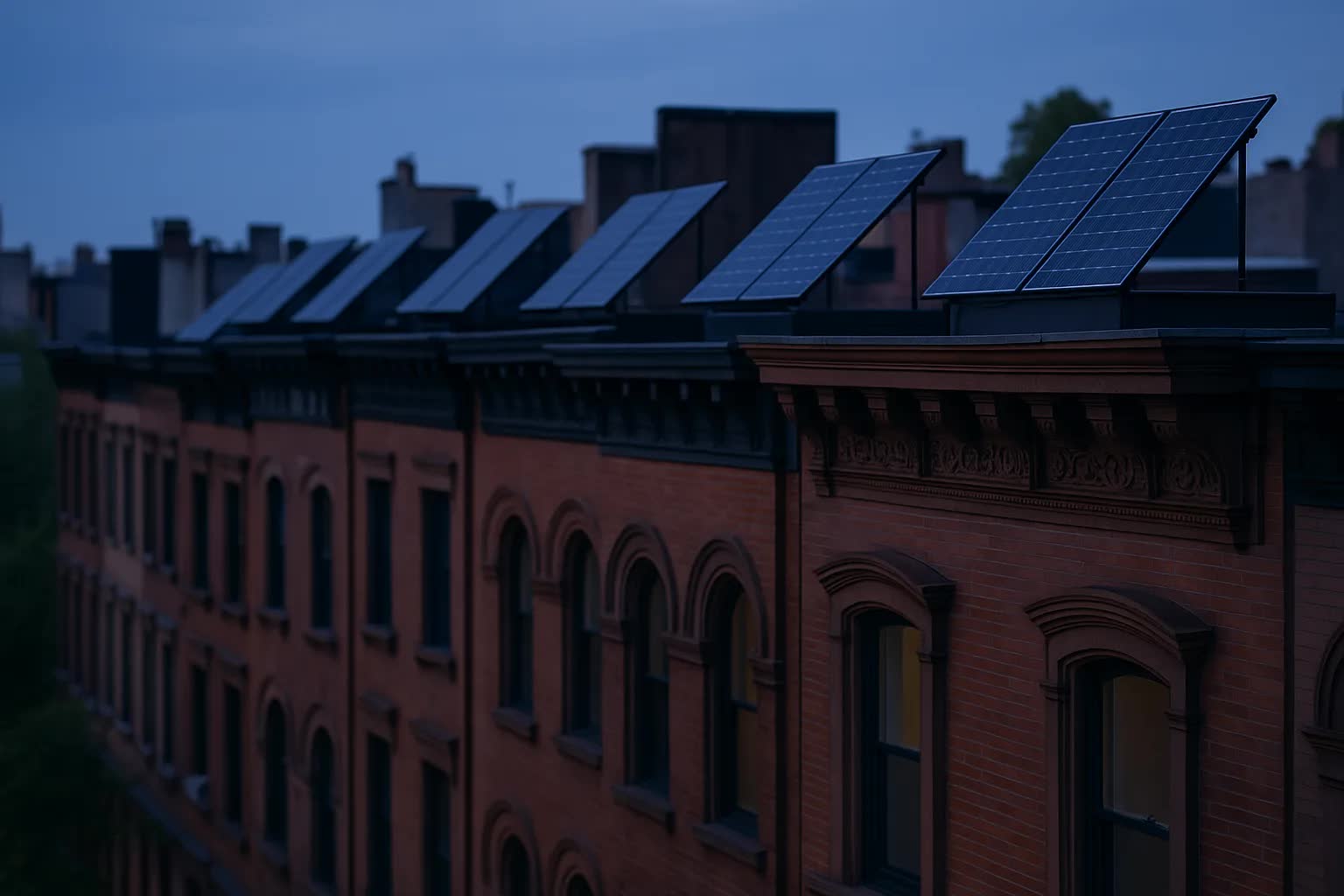
NEW YORK — New York City activated its emergency heat response protocol on Thursday as temperatures in Central Park reached 97 degrees Fahrenheit — the highest reading for any June day in the city since 1999 — with a heat index pushing the apparent temperature above 105 degrees in several Brooklyn and Bronx neighborhoods. Mayor's office officials announced the opening of 500 designated cooling centers across the five boroughs, an increase of nearly 200 from the previous year's peak activation, and directed the Office of Emergency Management to coordinate with community organizations to ensure the centers were reaching residents who could not access them on their own.
The extreme heat arrived after a week of persistently warm nights that prevented typical overnight cooling, a pattern that public health officials say is more dangerous than a single hot day because it denies the body the recovery period that lower overnight temperatures normally provide. The National Weather Service issued an excessive heat warning through Saturday evening, forecasting lows that would not drop below 81 degrees in most parts of the city on Thursday night and 78 degrees on Friday night — thresholds that significantly increase health risk for elderly residents, infants, and people with cardiovascular or respiratory conditions.
The city's network of cooling centers includes libraries, community centers, senior centers, and pools, with 127 sites maintaining extended hours through Sunday. The Parks Department kept all outdoor pools open for extended evening hours, and the Department for the Aging dispatched outreach workers to visit elderly residents enrolled in city programs who live alone in buildings without central air conditioning — a population that accounts for a disproportionate share of heat-related deaths during extreme events. The outreach workers brought water, checked on residents' access to fans and air conditioning, and enrolled those without cooling in a temporary AC equipment loan program.
By Thursday afternoon, city emergency services had received 43 calls classified as heat-related illness, including 11 that required hospitalization. The volume was higher than the same period in the prior two heat events of the current summer, though health officials cautioned that it remained within a range consistent with previous major heat advisories. Health Commissioner Dr. Vivian Morrow urged New Yorkers to check on neighbors who are elderly, live alone, or have limited mobility, and to call 311 if they are concerned that someone needs assistance accessing a cooling center.
Heat vulnerability maps produced by the city's Office of Sustainability show that several Bronx and Brooklyn neighborhoods — including Mott Haven, East Flatbush, and Brownsville — experience temperatures up to 10 degrees higher than Central Park readings during heat events, a consequence of the urban heat island effect compounded by lower rates of tree canopy, higher concentrations of paved and impervious surfaces, and aging housing stock with lower thermal performance. Residents in those neighborhoods said Thursday that the heat was affecting daily routines in visible ways, with streets notably quieter in midday hours as people stayed inside or sought air-conditioned spaces.
The city's response protocol has been refined over several years following a review of the 2006 and 2011 heat events, both of which produced excess mortality that post-incident analysis suggested could have been reduced with better community outreach and faster cooling center activation. The current system includes an automated alert mechanism that triggers the 500-center network when forecast conditions cross specified temperature and humidity thresholds, removing a previous reliance on discretionary agency decisions that sometimes delayed activation.
Con Edison, which supplies electricity to most of the city, reported that Thursday's peak demand reached 12,600 megawatts — approaching but not exceeding the system's operational ceiling — and said there was no indication of service disruption. The utility activated demand response programs with large commercial customers who agreed in advance to reduce consumption during grid stress events. City officials said they were in regular communication with Con Ed and had not identified any areas at immediate risk of outage, though they noted that the extended duration of the heat event through the weekend would continue to stress the distribution system.