New York City Launches the Nation's Largest Free Mental Health Network, With 30 Clinics Across All Five Boroughs
The ThriveNYC 2.0 initiative, backed by $1.2 billion over five years, will offer walk-in counseling, crisis stabilization, and psychiatric care at no cost to any city resident — addressing a gap that advocates say has been widening since the pandemic.
By Renee Yu · August 2, 2026 · 4 min read
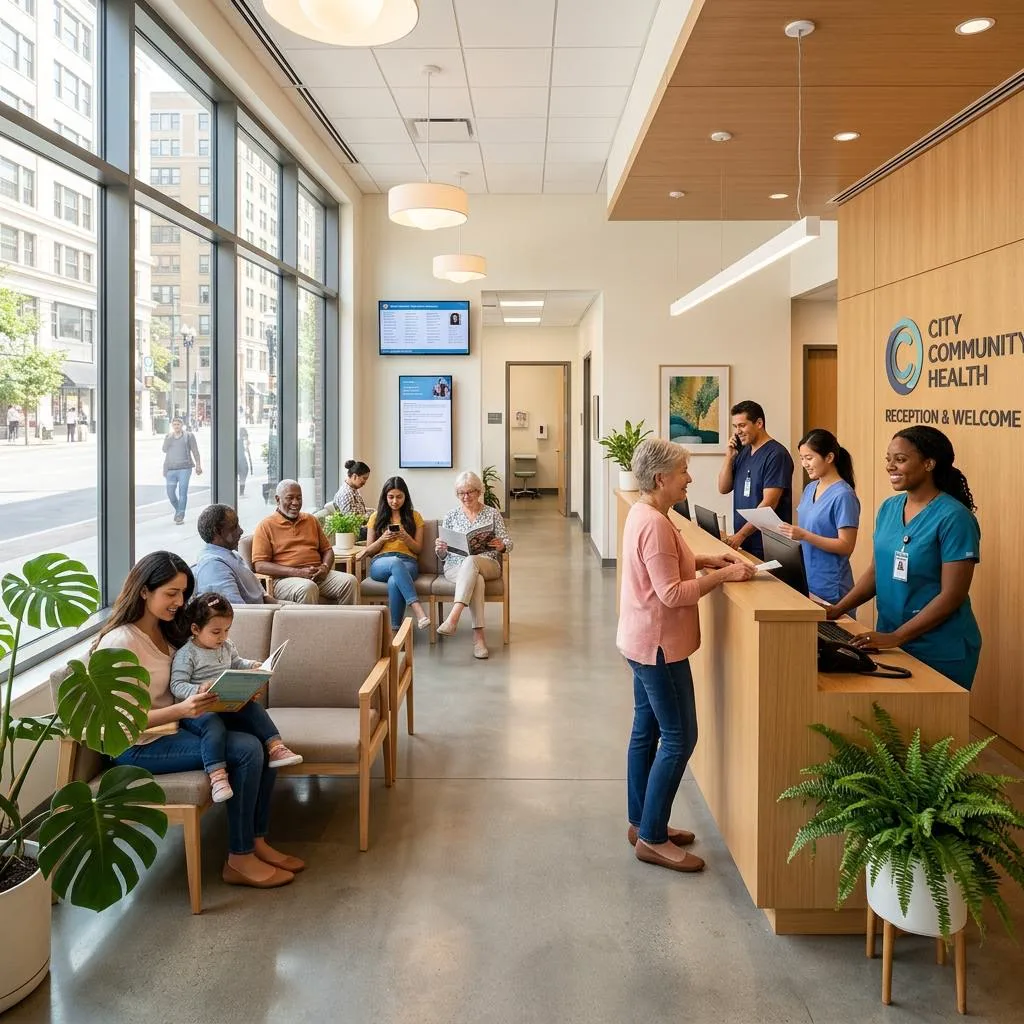
NEW YORK — The city's Department of Health and Mental Hygiene opened the first six sites of its ThriveNYC 2.0 network on Monday, inaugurating what officials say will be the largest municipally operated free mental health system in the United States once all 30 locations are operational by December. The clinics — in East New York, the South Bronx, Washington Heights, Jamaica, and the North Shore of Staten Island — offer walk-in access to licensed therapists, psychiatric evaluations, and crisis stabilization without appointments, co-pays, or insurance requirements.
The initiative, backed by $1.2 billion in combined city and state funding over five years, represents a deliberate restructuring of how New York delivers mental health care to its lowest-income residents. The original ThriveNYC program was widely criticized by the city's inspector general for poor coordination and an inability to demonstrate measurable outcomes. ThriveNYC 2.0 was redesigned by a team that included Boston University public health researchers, community health workers from each target borough, and peer counselors with lived experience of mental illness and housing instability.
Each clinic is staffed with a minimum of two licensed clinical social workers, one psychiatrist or psychiatric nurse practitioner available for same-day consultations, and two community health workers who speak the primary language of the surrounding neighborhood. All 30 sites offer materials in at least six languages, and eight locations have been designated as specialized crisis stabilization centers capable of holding patients for up to 72 hours as an alternative to emergency room admission.
Mental health advocates praised the scope of the initiative while urging caution about implementation. 'The design is genuinely thoughtful in ways the first ThriveNYC was not,' said Dr. Sarah Samuels of the Community Mental Health Coalition of New York. 'The test will be staffing retention. We are in the middle of a mental health workforce shortage that affects every institution in this city, and 30 clinics competing for the same limited pool of clinicians is a real challenge.' The city says it has pre-hired 340 clinical staff members and has agreements with four graduate programs to place interns at the sites beginning in September.