As Dining Costs Rise, New York’s Restaurant Week Puts Value on the Menu
During one of New York's most expensive summers for dining out, more than 600 restaurants are offering set-price lunches and dinners — and revealing just how much strategy sits behind a seemingly simple fixed price.
By Iris Ye · August 13, 2026 · 4 min read
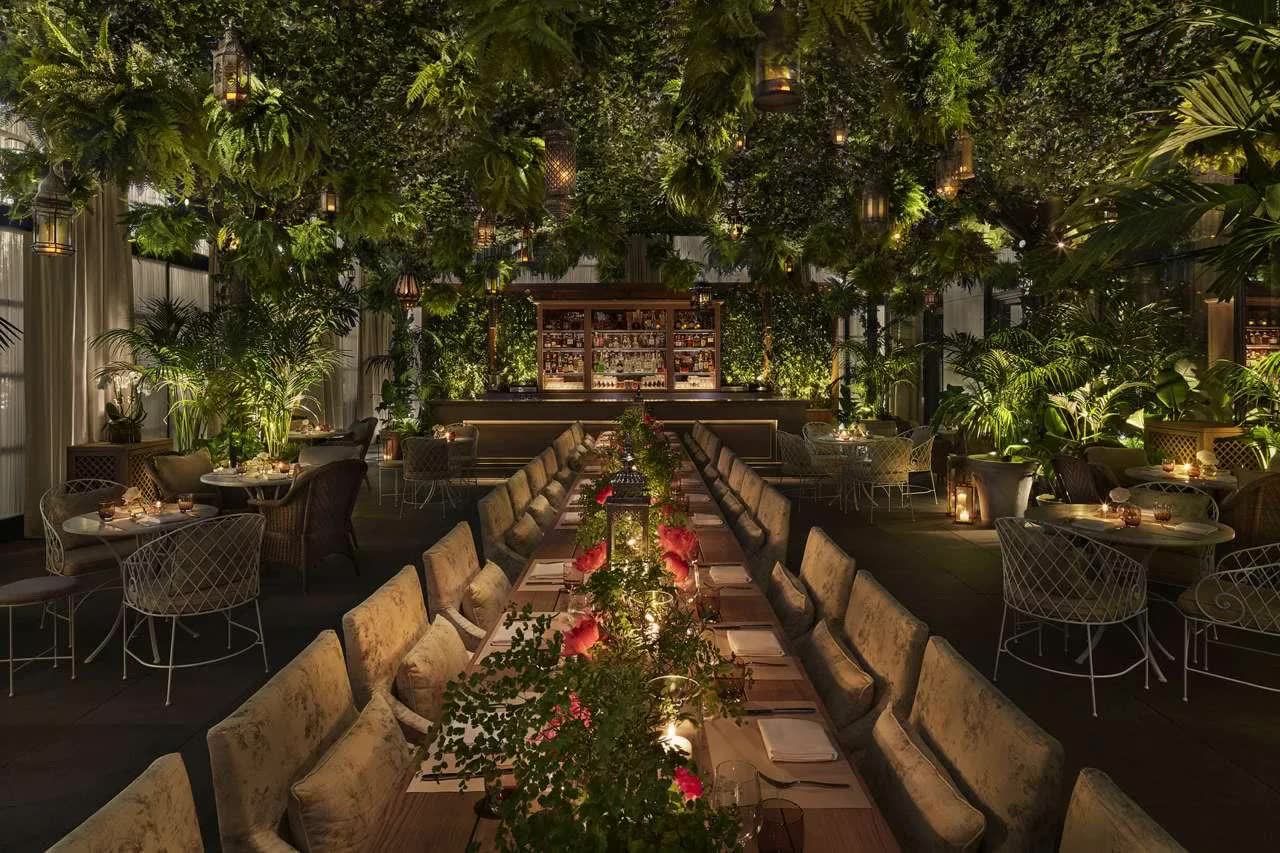
NEW YORK, Aug. 13, 2026 — Dining out in New York is getting more expensive. Yet for nearly a month this summer, hundreds of restaurants have been offering diners something increasingly attractive: a meal at a price they know before they sit down.
NYC Restaurant Week, running from July 20 through Aug. 16, includes more than 600 restaurants across all five boroughs, spanning more than 70 neighborhoods and 45 cuisines. Prix-fixe lunches and dinners are offered at $30, $45 or $60, bringing neighborhood restaurants and some of the city's most acclaimed dining rooms under the same promotion.
The timing matters. Consumer prices in the New York metropolitan area rose 4.6 percent in July from a year earlier, according to data released Wednesday by the U.S. Bureau of Labor Statistics. Prices for food away from home, including restaurant meals, increased 3.6 percent over the same period and 0.6 percent in July alone.
Restaurant Week appears to offer a simple response to those pressures: a lower, predictable price. But a closer look at the menus shows that restaurants create that value in very different ways.
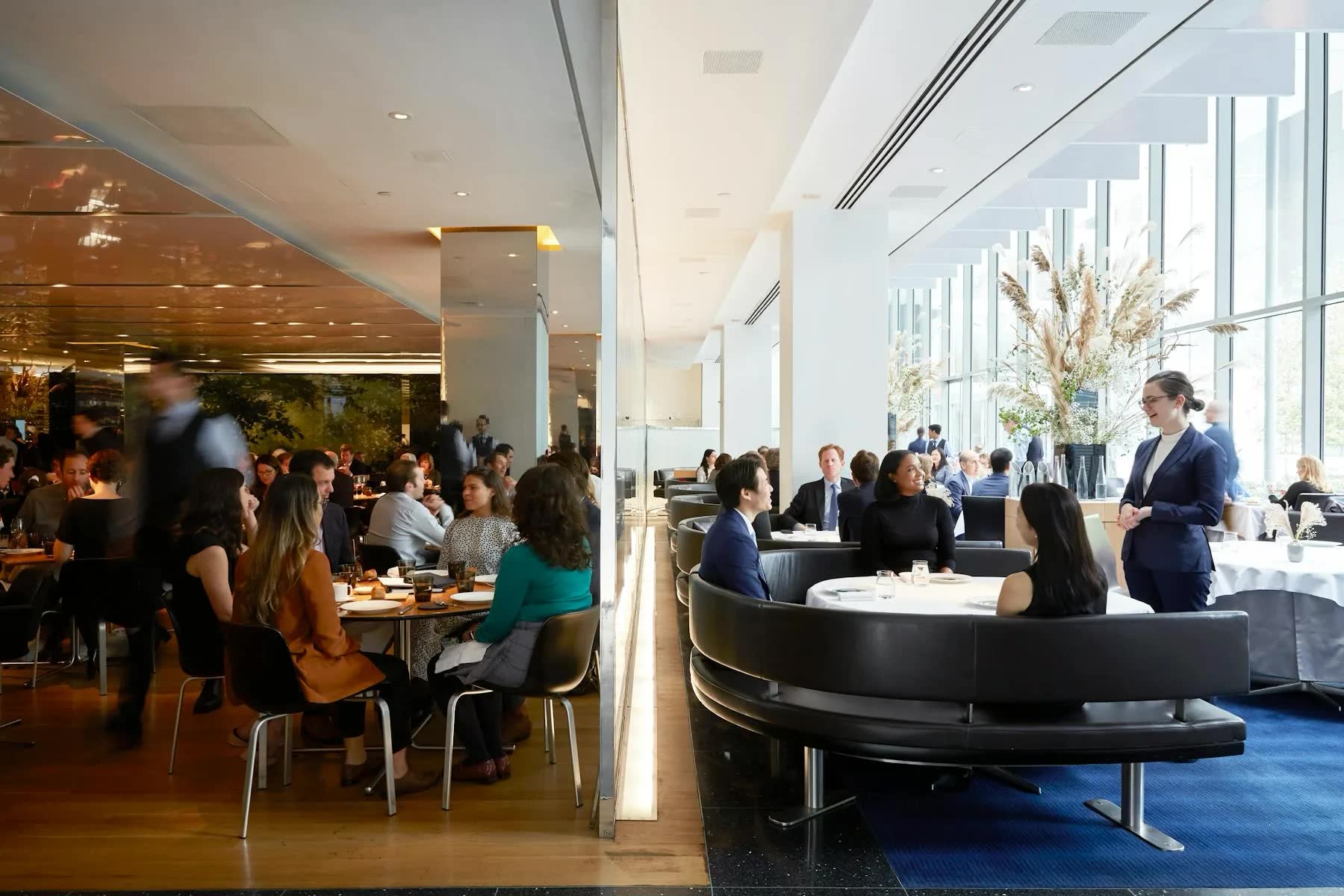
At the Bar Room at The Modern, whose main dining room holds two Michelin stars, diners can choose a $45 two-course or $60 three-course lunch. Many selections also appear on the regular à la carte menu: spicy octopus fusilli is normally $37, sea bass $44, crispy salmon $39 and confit duck leg $41. For diners combining those dishes into a prix-fixe meal, the value is relatively easy to see.
Other restaurants build more distinct menus around the promotion. At Daniel Boulud's one-Michelin-starred Le Pavillon, a regular three-course dinner costs $145. Its $60 Restaurant Week lunch offers a more tightly edited selection, with entrées including prawn salad, braised chicken and merlu. At one-star Francie in Williamsburg, the $60 three-course dinner features mains such as rigatoni with duck sausage, bucatini and fish and chips.
Seen together, these menus show how much calculation can sit behind a seemingly simple fixed price. Restaurant Week may present diners with a clean number — $45 or $60 — yet reaching that number can require restaurants to make a series of choices about ingredients, portions and course structure. Some can fold existing dishes into the promotion. Others appear to shape a more limited menu around what can be served attractively at a lower price point. The value diners see on the page is therefore partly the result of decisions made long before the plate reaches the table.
Those decisions have become harder as operating costs continue to rise. More than nine in 10 restaurant operators surveyed by the National Restaurant Association cited higher food, labor, insurance, energy and payment-processing expenses as significant challenges, and 42 percent said their restaurants were not profitable last year. In that environment, a Restaurant Week menu has to do several things at once: feel generous enough to bring people in, remain consistent with the restaurant’s image and still leave enough room for the economics of the meal to work.
At the same time, diners are making increasingly careful calculations of their own. More than seven in 10 consumers surveyed by the association said they would use restaurants more often if they had greater disposable income. The desire to go out has clearly not disappeared. In New York, dining is tied to social life, celebration, discovery and the experience of the city itself. What has become more sensitive is the question of whether a meal feels worth its price.
Restaurant Week brings those two calculations to the same table. For a diner, a fixed menu can make a restaurant that normally feels expensive seem temporarily within reach. For the restaurant, the same menu can serve as an introduction — a way to fill seats, bring in first-time customers and create a reason for them to return after the promotion ends. The transaction is therefore about more than the meal being served that evening. It is also about what each side hopes the experience will lead to next.
That helps explain why Restaurant Week has endured for more than three decades. Its appeal is rooted in price, yet its longevity comes from something broader: it gives restaurants and diners a temporary framework in which both can reconsider what “value” means. A Michelin-starred dining room in Midtown, a Williamsburg destination and a neighborhood restaurant elsewhere in the city can all appear within the same promotion, each trying to answer that question in a different way.
In a city where the cost of preparing a meal and the cost of ordering one are both moving higher, Restaurant Week turns the menu into a quiet negotiation. Restaurants are deciding how much experience they can place behind a fixed price. Diners are deciding how much that experience is worth to them. The success of the promotion ultimately depends on whether those two calculations can still meet across the table.